

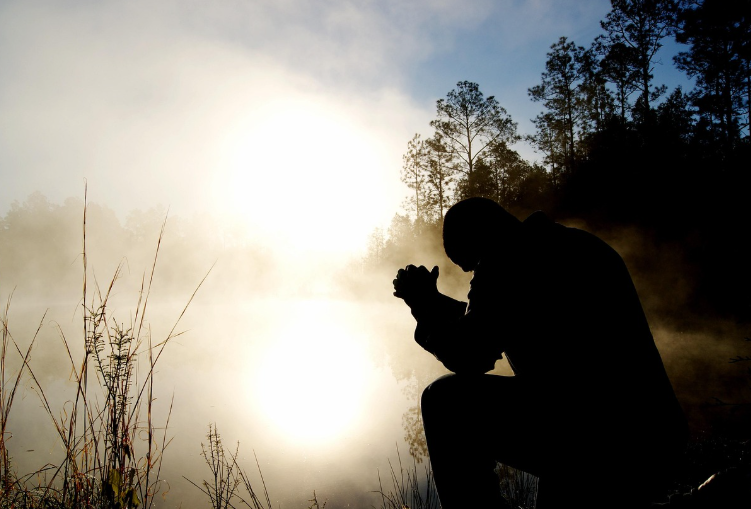
We often speak of humility as one virtue among many, yet Scripture treats humility as a matter of survival. The proud will fall (Prov. 16:18), and the humble will receive honor (Prov. 29:23). But have we ever stopped to ask what humility truly is at its core? Humility is not merely an attitude of self-deprecation. Humility is the courage to receive truth. And of all truths, the hardest to receive is the truth about our own sin.
When someone points out our fault, something deep within us rises in immediate resistance. We search for excuses, question the other person’s motives, and sometimes strike back. This is fallen human nature. Yet it is precisely in that moment that only the one who humbly receives the word can step through the door of transformation. The one who refuses correction does not simply stand still — he slowly crumbles.
Deny the Disease, and Lose the Chance to Be Healed
What happens when a doctor diagnoses cancer, but the patient insists, “I’m fine”? Denying the disease does not make it disappear. It only steals the window for healing. The same principle operates with perfect precision in the spiritual realm.
Sin is the disease of the soul. Scripture does not hide this. “Though your sins are like scarlet, they shall be as white as snow; though they are red like crimson, they shall become like wool” (Isa. 1:18, ESV). The beauty of this promise lies in what it presupposes — that sin is that deep, that crimson, that serious. God brings us face to face with our sin. That confrontation is the first step toward healing.
Consider David. The adultery with Bathsheba. The murder of Uriah. For a time he concealed that sin, and Psalm 32 records what that season felt like: “When I kept silent, my bones wasted away through my groaning all day long” (Ps. 32:3, ESV). Refusing to confess sin is not an escape from pain — it is being locked inside it. When David, standing before the piercing accusation of the prophet Nathan, finally said, “I have sinned against the LORD” (2 Sam. 12:13, ESV), restoration began.
This Is Satan’s Most Cunning Strategy
Preventing us from humbly acknowledging our sin may well be Satan’s oldest and most effective strategy for destroying souls. Satan does not always prefer to strike us down directly — he is quite content to let us destroy ourselves. He keeps us hiding behind the shield of pride, unable to face our sin, while the soul quietly rots from within.
It was the same in the Garden of Eden. After sinning, Adam did not come before God. He hid. And when confronted, he shifted the blame to Eve; Eve shifted it to the serpent (Gen. 3:12–13). Deflecting responsibility instead of owning sin — this is the self-defense instinct of fallen humanity. But following that instinct makes restoration with God impossible.
Reformed Theology speaks of the Total Depravity of man. This does not mean that human beings are as evil as they could possibly be, but that sin has permeated every dimension of who we are — intellect, will, and emotion. This is precisely why acknowledging sin on our own is, naturally speaking, nearly impossible. Without the illuminating work of the Holy Spirit, we cannot see our own sin. This is why prayer is not optional. “Search me, O God, and know my heart” (Ps. 139:23, ESV).
The Voice of the Spirit and the Gift of Community
God has placed multiple channels through which He brings us to an awareness of our sin: the Word of Scripture, the voice of the Holy Spirit in prayer, the counsel of a pastor, and the honest words of a faithful friend. All of these are instruments within God’s Providence that keep us awake and attentive.
Proverbs tells us, “Faithful are the wounds of a friend; profuse are the kisses of an enemy” (Prov. 27:6, ESV). The words of a friend that bring us face to face with our sin can be painful. But that pain is the pain of healing. By contrast, a relationship that only tells us what we want to hear may feel sweet, but it slowly sickens the soul.
The same is true of a pastor’s counsel. Hebrews 13:17 says, “Obey your leaders and submit to them.” There is no perfect pastor. Yet God leads His flock even through imperfect shepherds. When we pridefully dismiss a pastor’s word, we often simultaneously close ourselves off from the voice of God.
The Holy Spirit is the Spirit of truth (ἀλήθεια, aletheia) (John 16:13). He leads us toward what is real. Even when that reality is uncomfortable, even when it touches our pride, receiving it with humility is the path of spiritual growth. The daily discipline of self-examination, of listening in prayer for the voice of the Spirit, is not mere religious routine — it is the discipline of survival.
Clear Away Sin and Bear the Fruit of Love
Here we must pause before the cross and linger there a moment. Jesus Christ was without sin. Not once did He transgress, yet He took upon Himself the full weight of our sin and was crucified in our place. This is the mystery of Atonement. The sinless One stood in the place of sinners. If that is so, how utterly foolish it is for us — who are sinners by nature — to resist owning our sin and dig in our heels before the cross. The cross of Christ shatters our pride to pieces. The sinless One bore that shame willingly; we who are full of sin have no reason whatsoever to be ashamed of acknowledging our own failures. The cross is the most powerful foundation there is for humbly confessing sin.
Acknowledging sin is not the destination. It is the beginning. Repentance is a turning. It is a change of direction. First John 1:9 describes this movement with clarity: “If we confess our sins, he is faithful and just to forgive us our sins and to cleanse us from all unrighteousness” (ESV). This promise is not unconditional — it carries the condition “if we confess.” To the one who humbly acknowledges, God’s forgiveness comes pouring out like a river.
What grows in the place where sin has been cleared away? The fruit of the Spirit. “The fruit of the Spirit is love, joy, peace, patience, kindness, goodness, faithfulness, gentleness, self-control” (Gal. 5:22–23, ESV). This is why humility is the way of life. Humility is not merely lowering oneself — it is the act of emptying out sin so that the love of God can fill that space, of opening the door for grace to enter.
We are all still on the road. There is no such thing as a finished saint. But the one who falls and rises again, returning to the Lord; the one who, when confronted, kneels instead of arguing — that person’s life overflows with the grace of God. Sanctification is accomplished exactly like this, one step at a time.
Humility is not weakness. It is the courage to stand before truth. Acknowledging your sin is not defeat — it is the beginning of healing. If someone’s words are sitting heavy on your heart today, listen to them once more in the Spirit. Examine yourself in prayer, and lay the sin you see before the Lord. The fruit of love will grow in that place. The humble person lives, and the humble community is revived. This is God’s way.


