
- Bible
- Read the Bible
- Bible Versions
- Verse of the Day
- Reading Plans
- Verses by Topic
- Books of the Bible
- Bible Images
- Study
- Commentaries
- Concordances
- Dictionaries
- Encyclopedias
- Sermons
- Bible Atlas & Maps
- BP Wiki
- Devotionals
- Today's Devotionals
- Light of the World
- All Devotionals
- Inspirational Quotes
- More
- Picture Quotes
- Videos
- Inspirational
- Bible Study
- What The Bible Says
- Bible Q&As
- Daily Bread
- Bible by Genre
- Bible Stories
- Random Bible Verse
- Community
- Store
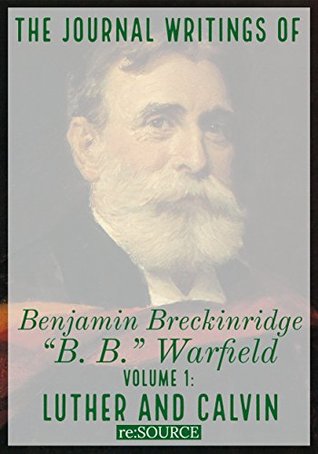
A robust study of the pivotal ideas that shaped Warfield into a distinctly Reformed theologian
A robust study of the pivotal ideas that shaped Warfield into a distinctly Reformed theologianA robust study of the pivotal ideas that shaped Warfield into a distinctly Reformed theologian
Sometimes called “the spoiler of liberalism” B.B. Warfield was one of the greatest theologians America has ever producedone of the greatest theologians America has ever produced. The foundation of his theology, of course, was rooted in the thought of the Reformation, and especially the transformative theology of John Calvin.
In this volume of the re:SOURCE DIGITAL’s bestselling “Journal Writing” series, B.B. Warfield thoroughly examines several key doctrines of Calvin’s theologyexamines several key doctrines of Calvin’s theology and provides a fascinating analysis of the literary history of Calvin’s Institutes of the Christian ReligionInstitutes of the Christian Religion and a biographical study of Calvin’s life. Warfield also examines the concept of “Calvinism” as a religious movement. Add to this an insightful examination of Luther’s 95 ThesesAdd to this an insightful examination of Luther’s 95 Theses95 Theses, and what you have is a robust study of the pivotal ideas that shaped Warfield into a distinctly Reformed theologian of unusual insighta robust study of the pivotal ideas that shaped Warfield into a distinctly Reformed theologian of unusual insight.
Articles IncludedArticles Included
The Literary History of Calvin’s Institutes
“Calvinism”
Calvin's Doctrine of the Knowledge of God
Calvin's Doctrine of God
Calvin's Doctrine of the Trinity
John Calvin: The Man and His Work
Calvin's Doctrine of the Creation
The Ninety-Five Theses in their Theological Significance
Sometimes called “the spoiler of liberalism” B.B. Warfield was one of the greatest theologians America has ever producedone of the greatest theologians America has ever produced. The foundation of his theology, of course, was rooted in the thought of the Reformation, and especially the transformative theology of John Calvin.
In this volume of the re:SOURCE DIGITAL’s bestselling “Journal Writing” series, B.B. Warfield thoroughly examines several key doctrines of Calvin’s theologyexamines several key doctrines of Calvin’s theology and provides a fascinating analysis of the literary history of Calvin’s Institutes of the Christian ReligionInstitutes of the Christian Religion and a biographical study of Calvin’s life. Warfield also examines the concept of “Calvinism” as a religious movement. Add to this an insightful examination of Luther’s 95 ThesesAdd to this an insightful examination of Luther’s 95 Theses95 Theses, and what you have is a robust study of the pivotal ideas that shaped Warfield into a distinctly Reformed theologian of unusual insighta robust study of the pivotal ideas that shaped Warfield into a distinctly Reformed theologian of unusual insight.
Articles IncludedArticles Included
The Literary History of Calvin’s Institutes
“Calvinism”
Calvin's Doctrine of the Knowledge of God
Calvin's Doctrine of God
Calvin's Doctrine of the Trinity
John Calvin: The Man and His Work
Calvin's Doctrine of the Creation
The Ninety-Five Theses in their Theological Significance
BUY NOW
Kindle Edition, 614 pages
Published July 17th 2018 by re:SOURCE DIGITAL PUBLISHING
Subscribe
Get Bible verse every day in your inbox
Read on Mobile


Group of Brands


© 2026 Bibleportal.com All rights reserved.
Benjamin Breckinridge Warfield was professor of theology at Princeton Seminary from 1887 to 1921. Some conservative Presbyterians consider him to be the last of the great Princeton theologians before the split in 1929 that formed Westminster Seminary and the Orthodox Presbyterian Church.
During his tenure, his primary thrust (and that of the seminary) was an authoritative view of the Bible. This view was held in contrast to the emotionalism of the revival movements, the rationalism of higher criticism, and the heterodox teachings of various New religious movements that were emerging. The seminary held fast to the Reformed confessional tradition -- that is, it faithfully followed the Westminster Confession of Faith.
Warfield was a thoroughgoing evidentialist and the most prominent exponent of the Old Princeton school.
... Show more