Charles Spurgeon era un hombre de fe, un verdadero guerrero; sin embargo sufrió de depresión durante toda su vida; él mismo lo reconoció en muchos de sus escritos. En esta recopilación de sermones, encontrarás algunas de las armas que empleo Spurgeon para enfrentarse al desánimo, la debilidad y la depresión. Al ser estos sermones separados en el tiempo, uno del otro, es posible ver como Spurgeon va profundizando cada vez más en el tema mientras transcurre su vida. En estos sermones habla directo al corazón de aquellos hombres y mujeres que se sienten realmente débiles. Consolándolos muchas veces, exhortándolos otras tantas, pero siempre dándole las herramientas para salir de su triste condición.

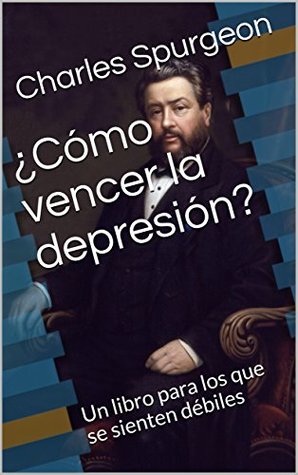


C.H. Spurgeon (1834 - 1892)
Spurgeon quickly became known as one of the most influential preachers of his time. Well known for his biblical powerful expositions of scripture and oratory ability. In modern evangelical circles he is stated to be the "Prince of Preachers." He pastored the Metropolitan Tabernacle in downtown London, England.His church was part of a particular baptist church movement and they defended and preached Christ and Him crucified and the purity of the Gospel message. Spurgeon never gave altar calls but always extended the invitation to come to Christ. He was a faithful minister in his time that glorified God and brought many to the living Christ.
Charles Haddon Spurgeon was England's best-known preacher for most of the second half of the nineteenth century. In 1854, just four years after his conversion, Spurgeon, then only 20, became pastor of London's famed New Park Street Church (formerly pastored by the famous Baptist theologian John Gill).
The congregation quickly outgrew their building, moved to Exeter Hall, then to Surrey Music Hall. In these venues Spurgeon frequently preached to audiences numbering more than 10,000 - all in the days before electronic amplification.
In 1861 the congregation moved permanently to the new Metropolitan Tabernacle.
... Show more