
- Bible
- Read the Bible
- Bible Versions
- Verse of the Day
- Reading Plans
- Verses by Topic
- Books of the Bible
- Bible Images
- Study
- Commentaries
- Concordances
- Dictionaries
- Encyclopedias
- Sermons
- Bible Atlas & Maps
- BP Wiki
- Devotionals
- Today's Devotionals
- Light of the World
- All Devotionals
- Inspirational Quotes
- More
- Picture Quotes
- Videos
- Inspirational
- Bible Study
- What The Bible Says
- Bible Q&As
- Daily Bread
- Bible by Genre
- Bible Stories
- Random Bible Verse
- Community
- Store
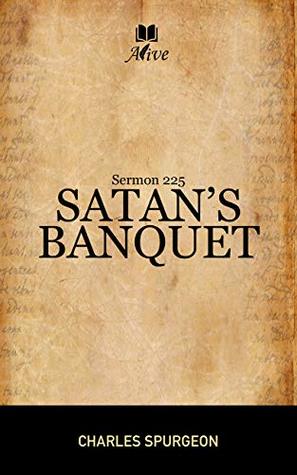
SATAN’S BANQUET : Sermon NO. 225
by C.H. Spurgeon
THE governor of the feast said more than he intended to say, or rather, there is more truth in what he said than he himself imagined! This is the established rule all the world over—“The good wine first and when men have well drunk, then that which is worse.” It is the rule with men and have not hundreds of disappointed hearts bewailed it? Friendship first—the oily tongue, the words softer than butter and afterwards the drawn sword! Ahithophel first presents the lordly dish of love and kindness to David; then afterwards that which is worse, for he forsakes his master and becomes the counselor of his rebel son. Judas presents first of all the dish of fair speech and of kindness; the Savior partook thereof, he walked to the house of God in company with Him and took sweet counsel with Him. But afterwards, there came the dregs of the wine—“He that eats bread with Me has lifted up his heel against Me.” Judas, the thief, betrayed his Master, bringing forth afterwards “that which is worse.” You have found it so with many whom you thought your friends. In the heyday of prosperity, when the sun was shining and the birds were singing and all was fair and gay and cheerful with you, they brought forth the good wine. But there came a chilling frost, and nipped your flowers and the leaves fell from the trees and your streams were frosted with the ice—and then they brought forth that which is worse—they forsook you and fled! They left you in your hour of peril and taught you that great truth, that, “Cursed is he that trusts in man and makes flesh his arm.”
BUY NOW
Kindle Edition, 12 pages
Published December 6th 2018
Subscribe
Get Bible verse every day in your inbox
Read on Mobile


Group of Brands


© 2026 Bibleportal.com All rights reserved.
C.H. Spurgeon (1834 - 1892)
Spurgeon quickly became known as one of the most influential preachers of his time. Well known for his biblical powerful expositions of scripture and oratory ability. In modern evangelical circles he is stated to be the "Prince of Preachers." He pastored the Metropolitan Tabernacle in downtown London, England.His church was part of a particular baptist church movement and they defended and preached Christ and Him crucified and the purity of the Gospel message. Spurgeon never gave altar calls but always extended the invitation to come to Christ. He was a faithful minister in his time that glorified God and brought many to the living Christ.
Charles Haddon Spurgeon was England's best-known preacher for most of the second half of the nineteenth century. In 1854, just four years after his conversion, Spurgeon, then only 20, became pastor of London's famed New Park Street Church (formerly pastored by the famous Baptist theologian John Gill).
The congregation quickly outgrew their building, moved to Exeter Hall, then to Surrey Music Hall. In these venues Spurgeon frequently preached to audiences numbering more than 10,000 - all in the days before electronic amplification.
In 1861 the congregation moved permanently to the new Metropolitan Tabernacle.
... Show more