CHARLES H. SPURGEON (1834-1892) was known as The Prince Of Preachers for his challenging, insightful and dynamic preaching in the Metropolitan Tabernacle located in 19th century London. When he preached he expected God to move and save sinners.
The substance and quality of his sermons were not just about clever oratory or rhetoric. He went much further than mere froth to expound God’s word with accuracy and passion.
It was Spurgeon’s custom during each weekly service, prior to preaching his sermon, to read a passage from the Bible. He would frequently interrupt this reading to give his own verse-by-verse comments on what was being read in the hearing of the congregation.
A stenographer who was present at the gathering recorded these expositions, along with his sermons. This allowed the sermons to be published but has also preserved Spurgeon’s thoughts and comments on most of Scripture to be recorded for posterity.
While he published his sermons, Spurgeon never published these expositions. We are delighted to bring them to you now in the 21st century. As you read the commentaries of Spurgeon you will discover a joy of having his insight into God’s word.
While this by no means a complete commentary on Scripture the majority of the Bible is looked at in this context.

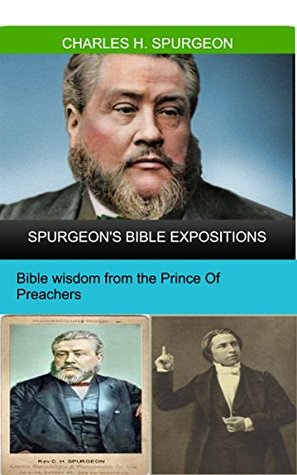


C.H. Spurgeon (1834 - 1892)
Spurgeon quickly became known as one of the most influential preachers of his time. Well known for his biblical powerful expositions of scripture and oratory ability. In modern evangelical circles he is stated to be the "Prince of Preachers." He pastored the Metropolitan Tabernacle in downtown London, England.His church was part of a particular baptist church movement and they defended and preached Christ and Him crucified and the purity of the Gospel message. Spurgeon never gave altar calls but always extended the invitation to come to Christ. He was a faithful minister in his time that glorified God and brought many to the living Christ.
Charles Haddon Spurgeon was England's best-known preacher for most of the second half of the nineteenth century. In 1854, just four years after his conversion, Spurgeon, then only 20, became pastor of London's famed New Park Street Church (formerly pastored by the famous Baptist theologian John Gill).
The congregation quickly outgrew their building, moved to Exeter Hall, then to Surrey Music Hall. In these venues Spurgeon frequently preached to audiences numbering more than 10,000 - all in the days before electronic amplification.
In 1861 the congregation moved permanently to the new Metropolitan Tabernacle.
... Show more