Talks to Farmers, Gleanings Among the Sheaves,The Art of Illustration represent the best from the heart of Charles Spurgeon. Over one hundred short devotional messages reveal Spurgeon's eloquence combined with his warm and colorful personal style. Typically, these selections touch the center of a Christian's faith, emotions, and hope.
Mr. Spurgeon has said of his lectures to his students: "I am as much at home with my young brethren as in the bosom of my family, and therefore speak without restraint. I do not offer that which has cost me nothing, for I have done my best, and taken abundant pains. Therefore, with clear conscience, I place my work at the service of my brethren, especially hoping to have a careful reading from young preachers, whose profiting has been my principal aim."
Spurgeon was acclaimed by his contemporaries to be "the most impressive and permanently successful evangelistic preacher of his age. The strong and growing popular demand for his writings in this day and age is evidence of the truth and timelessness of Spurgeon's teachings.

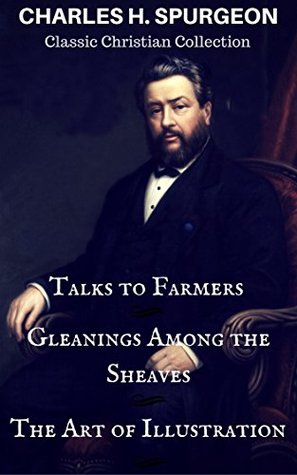


C.H. Spurgeon (1834 - 1892)
Spurgeon quickly became known as one of the most influential preachers of his time. Well known for his biblical powerful expositions of scripture and oratory ability. In modern evangelical circles he is stated to be the "Prince of Preachers." He pastored the Metropolitan Tabernacle in downtown London, England.His church was part of a particular baptist church movement and they defended and preached Christ and Him crucified and the purity of the Gospel message. Spurgeon never gave altar calls but always extended the invitation to come to Christ. He was a faithful minister in his time that glorified God and brought many to the living Christ.
Charles Haddon Spurgeon was England's best-known preacher for most of the second half of the nineteenth century. In 1854, just four years after his conversion, Spurgeon, then only 20, became pastor of London's famed New Park Street Church (formerly pastored by the famous Baptist theologian John Gill).
The congregation quickly outgrew their building, moved to Exeter Hall, then to Surrey Music Hall. In these venues Spurgeon frequently preached to audiences numbering more than 10,000 - all in the days before electronic amplification.
In 1861 the congregation moved permanently to the new Metropolitan Tabernacle.
... Show more