
- Bible
- Read the Bible
- Bible Versions
- Verse of the Day
- Reading Plans
- Verses by Topic
- Books of the Bible
- Bible Images
- Study
- Commentaries
- Concordances
- Dictionaries
- Encyclopedias
- Sermons
- Bible Atlas & Maps
- BP Wiki
- Devotionals
- Today's Devotionals
- Light of the World
- All Devotionals
- Inspirational Quotes
- More
- Picture Quotes
- Videos
- Inspirational
- Bible Study
- What The Bible Says
- Bible Q&As
- Daily Bread
- Bible by Genre
- Bible Stories
- Random Bible Verse
- Community
- Store
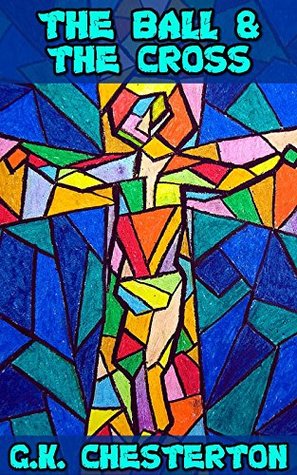
The Ball and the Cross / Orthodoxy
Your ‘The Ball and the CrossThe Ball and the Cross' by G.K. ChestertonG.K. Chesterton eBook Report:
1. 100% Original content
2. Guaranteed 24 Hrs Support: Email your issues to ClassicsHDBooks@gmail.com and we will resolve it with a confirmation to you within 24hrs.
3. FREE Orthodoxy
2. Guaranteed 24 Hrs Support: Email your issues to ClassicsHDBooks@gmail.com and we will resolve it with a confirmation to you within 24hrs.
3. FREE Orthodoxy
4. Illustrated
5. Active Contents, Font Adjustments & Navigation
5. Active Contents, Font Adjustments & Navigation
About ‘The Ball and the CrossThe Ball and the Cross' by G.K. ChestertonG.K. Chesterton
The Ball and the Cross is a novel by G. K. Chesterton. The title refers to a more worldly and rationalist worldview, represented by a ball or sphere, and the cross representing Christianity. The first chapters of the book were serialized from 1905 to 1906 with the completed work published in 1909. The novel's beginning involves debates about rationalism and religion between a Professor Lucifer and a monk named Michael. Lynette Hunter has argued that the novel is more sympathetic to Maclan, but does indicate Maclan is also presented as in some ways too extreme.Turnbull, as well, is presented in a sympathetic light: both duelists are ready to fight for and die for their antagonistic opinions and, in doing so, develop a certain partnership that evolves into a friendship.
The Ball and the Cross is a novel by G. K. Chesterton. The title refers to a more worldly and rationalist worldview, represented by a ball or sphere, and the cross representing Christianity. The first chapters of the book were serialized from 1905 to 1906 with the completed work published in 1909. The novel's beginning involves debates about rationalism and religion between a Professor Lucifer and a monk named Michael. Lynette Hunter has argued that the novel is more sympathetic to Maclan, but does indicate Maclan is also presented as in some ways too extreme.Turnbull, as well, is presented in a sympathetic light: both duelists are ready to fight for and die for their antagonistic opinions and, in doing so, develop a certain partnership that evolves into a friendship.BUY NOW
Published February 13th 2016 by Classics HD
Get Bible verse every day in your inbox
Read on Mobile


Group of Brands


Gilbert Keith Chesterton was one of the most influential English writers of the 20th century. His prolific and diverse output included journalism, philosophy, poetry, biography, Christian apologetics, fantasy and detective fiction.
Chesterton has been called the "prince of paradox". Time magazine, in a review of a biography of Chesterton, observed of his writing style: "Whenever possible Chesterton made his points with popular sayings, proverbs, allegories—first carefully turning them inside out.
... Show more