
- Bible
- Read the Bible
- Bible Versions
- Verse of the Day
- Reading Plans
- Verses by Topic
- Books of the Bible
- Bible Images
- Study
- Commentaries
- Concordances
- Dictionaries
- Encyclopedias
- Sermons
- Bible Atlas & Maps
- BP Wiki
- Devotionals
- Today's Devotionals
- Light of the World
- All Devotionals
- Inspirational Quotes
- More
- Picture Quotes
- Videos
- Inspirational
- Bible Study
- What The Bible Says
- Bible Q&As
- Daily Bread
- Bible by Genre
- Bible Stories
- Random Bible Verse
- Community
- Store
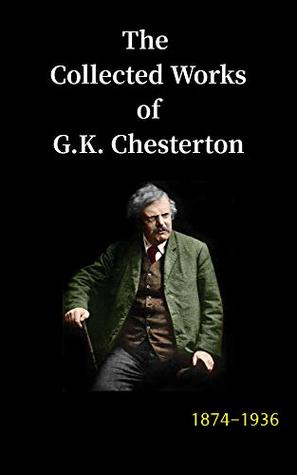
The Collected Works of G.K. Chesterton: Illustrated
by G.K. Chesterton
Gilbert Keith Chesterton was born in London, England in 1874. Though he considered himself a mere “rollicking journalist,” he was very much a prolific and gifted writer in almost every area of literature. He was a man of strong opinions and enormously talented at defending them. Still his exuberant personality allowed him to have warm friendships with people such as George Bernard Shaw and H.G. Wells with whom he strongly disagreed.
Chesterton stood up for his beliefs. He was one of the few journalists to oppose the Boer War. His 1922 “Eugenics and Other Evils” attacked what was at that time the most progressive of all ideas, the [Nazi] idea that the human race should breed a superior version of itself.
His poetry is diverse from the comic 1908 “On Running After One’s Hat” to dark and serious ballads. During the grim year 1940, when Britain stood virtually alone against the armed might of Nazi Germany, his 1911 "Ballad of the White Horse" were often quoted.
Though not written for an acedemic audience, his biographies of authors and historical figures like Dickens and St. Francis of Assisi often contain brilliant insights into their subjects. His Father Brown mystery stories, written between 1911 and 1936, were adapted for television.
His politics fitted with his deep distrust of concentrated wealth and power of any sort. Along with his friend Hilaire Belloc and in books like the 1910 What’s Wrong with the World he advocated a view called “Distributionism” that was best summed up by his expression that every man ought to be allowed to own “three acres and a cow.” Though not known as a political thinker, his political influence has circled the world. Some see in him the father of the “small is beautiful” movement, and a newspaper article by him is credited with provoking Gandhi to seek a “genuine” Indian nationalism rather than one that imitated the British.
Heretics belongs to yet another area of literature at which Chesterton excelled. A fun-loving and gregarious man, he was nevertheless troubled in his adolescence by thoughts of suicide. In Christianity he found the answers to the dilemmas and paradoxes he saw in life. Other books in that same series include his 1908 Orthodoxy (written in response to attacks on this book) and his 1925 The Everlasting Man.
Chesterton died in 1936 in England. During his life he published 69 books.
This collection brings together 26 of his most famous works:
All Things Considered
The Ball and the Cross
The Ballad of the White Horse
The Club of Queer Trades
The Defendant
Eugenics and Other Evils
Heretics
The Innocence of Father Brown
Magic: A Fantastic Comedy
The Man Who Knew Too Much
The Man Who Was Thursday
Manalive
The Napoleon of Notting Hill
Orthodoxy
The Pre-Existence of Christ in Scripture, Patristics, and Creed
A Short History of England
St. Thomas Aquinas
The Superstition of Divorce
Tales of the Long Bow
The Trees of Pride
Tremendous Trifles
The Victorian Age in Literature
What I Saw in America
What is Right with the World
What's Wrong With the World
The Wisdom of Father Brown
The Everlasting Man
Chesterton stood up for his beliefs. He was one of the few journalists to oppose the Boer War. His 1922 “Eugenics and Other Evils” attacked what was at that time the most progressive of all ideas, the [Nazi] idea that the human race should breed a superior version of itself.
His poetry is diverse from the comic 1908 “On Running After One’s Hat” to dark and serious ballads. During the grim year 1940, when Britain stood virtually alone against the armed might of Nazi Germany, his 1911 "Ballad of the White Horse" were often quoted.
Though not written for an acedemic audience, his biographies of authors and historical figures like Dickens and St. Francis of Assisi often contain brilliant insights into their subjects. His Father Brown mystery stories, written between 1911 and 1936, were adapted for television.
His politics fitted with his deep distrust of concentrated wealth and power of any sort. Along with his friend Hilaire Belloc and in books like the 1910 What’s Wrong with the World he advocated a view called “Distributionism” that was best summed up by his expression that every man ought to be allowed to own “three acres and a cow.” Though not known as a political thinker, his political influence has circled the world. Some see in him the father of the “small is beautiful” movement, and a newspaper article by him is credited with provoking Gandhi to seek a “genuine” Indian nationalism rather than one that imitated the British.
Heretics belongs to yet another area of literature at which Chesterton excelled. A fun-loving and gregarious man, he was nevertheless troubled in his adolescence by thoughts of suicide. In Christianity he found the answers to the dilemmas and paradoxes he saw in life. Other books in that same series include his 1908 Orthodoxy (written in response to attacks on this book) and his 1925 The Everlasting Man.
Chesterton died in 1936 in England. During his life he published 69 books.
This collection brings together 26 of his most famous works:
All Things Considered
The Ball and the Cross
The Ballad of the White Horse
The Club of Queer Trades
The Defendant
Eugenics and Other Evils
Heretics
The Innocence of Father Brown
Magic: A Fantastic Comedy
The Man Who Knew Too Much
The Man Who Was Thursday
Manalive
The Napoleon of Notting Hill
Orthodoxy
The Pre-Existence of Christ in Scripture, Patristics, and Creed
A Short History of England
St. Thomas Aquinas
The Superstition of Divorce
Tales of the Long Bow
The Trees of Pride
Tremendous Trifles
The Victorian Age in Literature
What I Saw in America
What is Right with the World
What's Wrong With the World
The Wisdom of Father Brown
The Everlasting Man
BUY NOW
Kindle Edition, 4617 pages
Published April 10th 2019
Subscribe
Get Bible verse every day in your inbox
Read on Mobile


Group of Brands


© 2026 Bibleportal.com All rights reserved.
Gilbert Keith Chesterton was one of the most influential English writers of the 20th century. His prolific and diverse output included journalism, philosophy, poetry, biography, Christian apologetics, fantasy and detective fiction.
Chesterton has been called the "prince of paradox". Time magazine, in a review of a biography of Chesterton, observed of his writing style: "Whenever possible Chesterton made his points with popular sayings, proverbs, allegories—first carefully turning them inside out.
... Show more