
- Bible
- Read the Bible
- Bible Versions
- Verse of the Day
- Reading Plans
- Verses by Topic
- Books of the Bible
- Bible Images
- Study
- Commentaries
- Concordances
- Dictionaries
- Encyclopedias
- Sermons
- Bible Atlas & Maps
- BP Wiki
- Devotionals
- Today's Devotionals
- Light of the World
- All Devotionals
- Inspirational Quotes
- More
- Picture Quotes
- Videos
- Inspirational
- Bible Study
- What The Bible Says
- Bible Q&As
- Daily Bread
- Bible by Genre
- Bible Stories
- Random Bible Verse
- Community
- Store
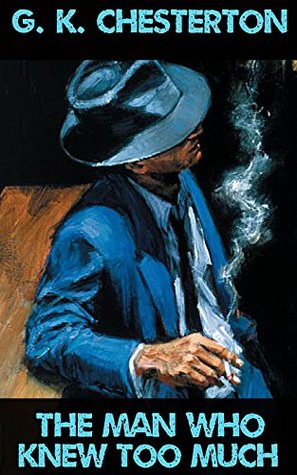
The Man Who Knew Too Much + The Importance Of Being Earnest
The Man Who Knew Too Much and other stories (1922) is a book of detective stories by English writer G. K. Chesterton, published by Cassell and Company in 1922.The book contains twelve stories, the first eight of which are about The Man Who Knew Too Much, while the final four are individual stories featuring separate heroes/detectives. Horne Fisher, "The Man Who Knew Too Much", is the main protagonist of the first eight stories. In the final story, "The Vengeance of the Statue", Fisher notes: "The Prime Minister is my father's friend. The Foreign Minister married my sister. The Chancellor of the Exchequer is my first cousin." Because of these intimate relationships with the leading political figures in the land, Fisher knows too much about the private politics behind the public politics of the day. This knowledge is a burden to him in the eight stories, because he is able to uncover the injustices and corruptions of the murders in each story, but in most cases the real killer gets away with the killing because to bring him openly to justice would create a greater chaos: starting a war, reinciting Irish rebellions or removing public faith in the government.
The Man Who Knew Too Much and other stories (1922) is a book of detective stories by English writer G. K. Chesterton, published by Cassell and Company in 1922.The book contains twelve stories, the first eight of which are about The Man Who Knew Too Much, while the final four are individual stories featuring separate heroes/detectives. Horne Fisher, "The Man Who Knew Too Much", is the main protagonist of the first eight stories. In the final story, "The Vengeance of the Statue", Fisher notes: "The Prime Minister is my father's friend. The Foreign Minister married my sister. The Chancellor of the Exchequer is my first cousin." Because of these intimate relationships with the leading political figures in the land, Fisher knows too much about the private politics behind the public politics of the day. This knowledge is a burden to him in the eight stories, because he is able to uncover the injustices and corruptions of the murders in each story, but in most cases the real killer gets away with the killing because to bring him openly to justice would create a greater chaos: starting a war, reinciting Irish rebellions or removing public faith in the government.BUY NOW
Published December 27th 2015 by Top 100 Classics
Get Bible verse every day in your inbox
Read on Mobile


Group of Brands


Gilbert Keith Chesterton was one of the most influential English writers of the 20th century. His prolific and diverse output included journalism, philosophy, poetry, biography, Christian apologetics, fantasy and detective fiction.
Chesterton has been called the "prince of paradox". Time magazine, in a review of a biography of Chesterton, observed of his writing style: "Whenever possible Chesterton made his points with popular sayings, proverbs, allegories—first carefully turning them inside out.
... Show more