Abraham Kuyper (1837 – 1920) was a Dutch journalist, statesman and Neo-Calvinist theologian. He was a master organiser. He founded a new church (the Gereformeerde Kerken), a newspaper, the Free University of Amsterdam, and the Anti-Revolutionary Party. He served as Prime Minister of the Netherlands between 1901 and 1905. In religious affairs, he sought to adapt the Dutch Reformed Church to the challenges posed by the loss of state financial aid and by religious pluralism, rising nationalism, and the Arminian religious revivals of his day which denied predestination. He vigorously denounced modernism in theology as a fad that would pass away. In politics, he dominated the Anti-Revolutionary Party (ARP) from its founding in 1879 to his death in 1920. He promoted pillarisation, the social expression of the anti-thesis in public life, whereby Protestant, Catholic and secular elements each had their own independent schools, universities and social organisations.

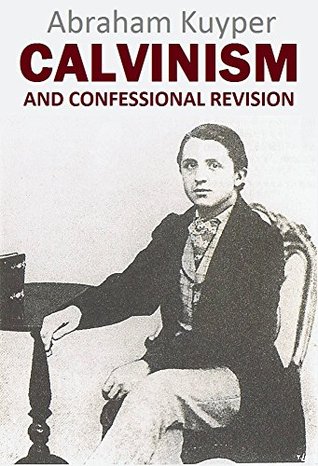


Abraham Kuijper, generally known as Abraham Kuyper, was a Dutch politician, journalist, statesman and theologian. He founded the Anti-Revolutionary Party and was prime minister of the Netherlands between 1901 and 1905.
In May 1862 he was declared eligible for the ministry and 1863 he accepted a call to become minister for the Dutch Reformed Church for the town of Beesd. Around 1866 he began to sympathize with the orthodox tendency within the Dutch Reformed Church. He was inspired by the simple reformed faith of Pietje Balthus, a farmer's wife. He began to oppose the centralization in the church, the role of the King and began to plead for the separation of church and state.
In North America, Kuyper's political and theological views have had a significant impact, especially in the Reformed community. He is considered the father of Dutch Neo-Calvinism and had considerable influence on the thought of philosopher Herman Dooyeweer
... Show more