Prix Nobel de la Paix, le docteur Schweitzer demeure, trente ans après sa mort, le grand "ancêtre" de l'action humanitaire internationale, précurseur de la médecine de terrain dans les pays du Sud. Mais se souvient-on que le pasteur luthérien fut aussi le premier penseur de ce que nous appelons aujourd'hui l'écologie, tout autant qu'un théologien d'avant-garde ?
Rendu célèbre par son exceptionnel talent de prédicateur, Albert Schweitzer ne sacrifiait jamais aux facilités de l'éloquence ni à celles de l'érudition lorsqu'il commentait l'Évangile. Son seul souci et les dix-huit sermons rassemblés ici en témoignent était de rendre compréhensible à tous l'invitation de Jésus à vivrevivre concrètement, ici et maintenant, une éthique fondée sur le respect universel de tous les êtres vivants.

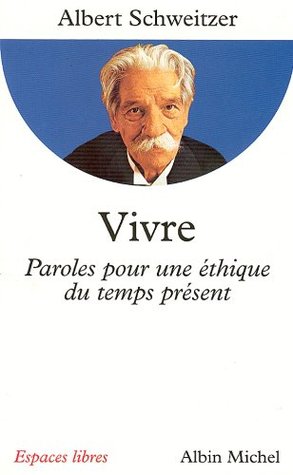


Albert Schweitzer was born into an Alsatian family which for generations had been devoted to religion, music, and education. His father and maternal grandfather were ministers; both of his grandfathers were talented organists; many of his relatives were persons of scholarly attainments.
Having decided to go to Africa as a medical missionary rather than as a pastor, Schweitzer in 1905 began the study of medicine at the University of Strasbourg. In 1913, having obtained his M.D. degree, he founded his hospital at Lambarene in French Equatorial Africa, but in 1917 he and his wife were sent to a French internment camp as prisoners of war. Released in 1918, Schweitzer spent the next six years in Europe, preaching in his old church, giving lectures and concerts.
... Show more