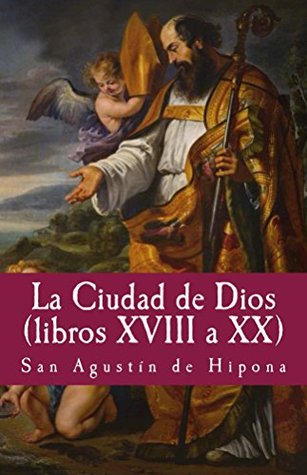
La ciudad de Dios, cuyo título original en latín es De civitate Dei contra paganos, es decir, La ciudad de Dios contra los paganos, es una obra escrita en 22 libros de Agustín de Hipona que fue realizada durante su vejez y a lo largo de quince años, entre 412 y 426. Es una apología del cristianismo, en la que se confronta la Ciudad Celestial a la Ciudad Pagana. Las numerosas digresiones permiten al autor tratar temas de muy diversa índole, como la naturaleza de Dios, el martirio o el judaísmo, el origen y la sustancialidad del bien y del mal, el pecado y la culpa, la muerte, el derecho y la ley, la contingencia y la necesidad, el tiempo y el espacio, la Providencia, el destino y la historia, entre otros muchos temas.
En este volumen de la edición bilingüe presentamos los libros XVIII al XX traducidos por Francisco Gijón.



Aurelius Augustinus - more commonly "St. Augustine of Hippo," or simply "Augustine" - was a philosopher and theologian, and one of the most important figures in the development of Western Christianity. He framed the concepts of original sin and just war. Augustine was one of the most prolific Latin authors in terms of surviving works, and the list of his works consists of more than a hundred separate titles.
Augustine took the view that the Biblical text should not be interpreted literally if it contradicts what we know from science and our God-given reason. Many Protestants, especially Calvinists, consider him to be one of the theological fathers of Reformation teaching on salvation and divine grace.
... Show more