GLORIOUS PREDESTINATION
Romans 8:29
"YOU will have noticed that in this chapter, Paul has been expounding a very deep inward, spiritual experience. He has written concerning the spirit of bondage, and the spirit of adoption; the infirmities of the flesh, and the helpings of the spirit; the waiting for the redemption of the body, and the groanings which cannot be uttered. It was most natural, therefore, that a deep spiritual experience should bring him to a clear perception of the doctrines of grace, for such an experience is a school in which alone those great truths are effectually learned. A lack of depth in the inner life accounts for most of the doctrinal error in the church. Sound conviction of sin, deep humiliation on account of it, and a sense of utter weakness and unworthiness naturally conduct the mind to the belief of the doctrines of grace, while shallowness in these matters leaves a man content with a superficial creed. Those teachings which are commonly called Calvinistic doctrines are usually most beloved and best received by those who have had much conflict of soul, and so have learned the strength of corruption and the necessity of grace."

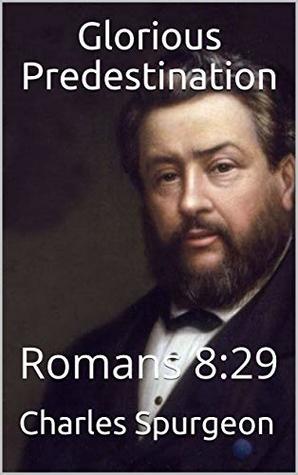


C.H. Spurgeon (1834 - 1892)
Spurgeon quickly became known as one of the most influential preachers of his time. Well known for his biblical powerful expositions of scripture and oratory ability. In modern evangelical circles he is stated to be the "Prince of Preachers." He pastored the Metropolitan Tabernacle in downtown London, England.His church was part of a particular baptist church movement and they defended and preached Christ and Him crucified and the purity of the Gospel message. Spurgeon never gave altar calls but always extended the invitation to come to Christ. He was a faithful minister in his time that glorified God and brought many to the living Christ.
Charles Haddon Spurgeon was England's best-known preacher for most of the second half of the nineteenth century. In 1854, just four years after his conversion, Spurgeon, then only 20, became pastor of London's famed New Park Street Church (formerly pastored by the famous Baptist theologian John Gill).
The congregation quickly outgrew their building, moved to Exeter Hall, then to Surrey Music Hall. In these venues Spurgeon frequently preached to audiences numbering more than 10,000 - all in the days before electronic amplification.
In 1861 the congregation moved permanently to the new Metropolitan Tabernacle.
... Show more