This full-color, carefully organized, biblical resource introduces the lands and times of the Bible in a clear, attractive, and easily-read format; explaining the land of Palestine within its larger historical and geographic setting.
Noted expert in biblical history, Tim Dowley, traces history from:
The patriarchs through Israel's return from Babylonian exile
World and Jewish national events of the intertestamental period
The New Testament era including an overview of Judaism and various political climates
The ministry of Jesus from His birth to His ascension The earliest days of the church--its birth and spread under the ministry of the apostles Contains more than 100 colorful maps and photos of Bible places and archaeological sites pertinent to the entire Bible
Compiled and written by a noted expert in biblical history and author of several titles in the best-selling Kregel Pictorial GuideKregel Pictorial Guide series

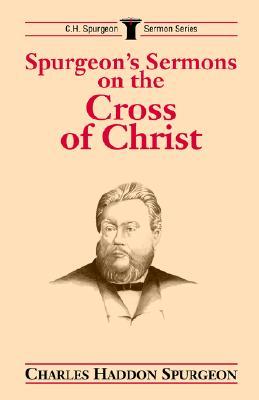


C.H. Spurgeon (1834 - 1892)
Spurgeon quickly became known as one of the most influential preachers of his time. Well known for his biblical powerful expositions of scripture and oratory ability. In modern evangelical circles he is stated to be the "Prince of Preachers." He pastored the Metropolitan Tabernacle in downtown London, England.His church was part of a particular baptist church movement and they defended and preached Christ and Him crucified and the purity of the Gospel message. Spurgeon never gave altar calls but always extended the invitation to come to Christ. He was a faithful minister in his time that glorified God and brought many to the living Christ.
Charles Haddon Spurgeon was England's best-known preacher for most of the second half of the nineteenth century. In 1854, just four years after his conversion, Spurgeon, then only 20, became pastor of London's famed New Park Street Church (formerly pastored by the famous Baptist theologian John Gill).
The congregation quickly outgrew their building, moved to Exeter Hall, then to Surrey Music Hall. In these venues Spurgeon frequently preached to audiences numbering more than 10,000 - all in the days before electronic amplification.
In 1861 the congregation moved permanently to the new Metropolitan Tabernacle.
... Show more