Professor Finney's Letter of January 1, 1839 Lecture I. Eternal Life Lecture II. Faith Professor Finney's Letter of January 30, 1839 Lecture III. Devotion Professor Finney's Letter of February 13, 1839 Lecture IV. True and False Religion Lecture V. & VI. The Law of God- No.'s 1 & 2 Lecture VII. Glorifying God Professor Finney's Letter of April 10, 1839 Lecture VIII. True and False Peace Lecture IX. Dominion Over Sin Lecture X. Carefulness A Sin
Lecture XI. & XII The Promises- No.'s 1 - 5
Lecture XIII. Being In Debt
Lecture XIV. The Holy Spirit of Promise
Lecture XV. The Covenants
Lecture XVI. & XVII. The Rest of Faith- No.'s 1 & 2
Lecture XVIII. Affections and Emotions of God
Lecture XIX. Legal and Gospel Experience
Lecture XX. How to Prevent Our Employments from Injuring Our Souls
Lecture XXI. & XXII. Grieving the Holy Spirit- No.'s 1 & 2
GLOSSARY of easily misunderstood terms as defined by Mr. Finney himself.

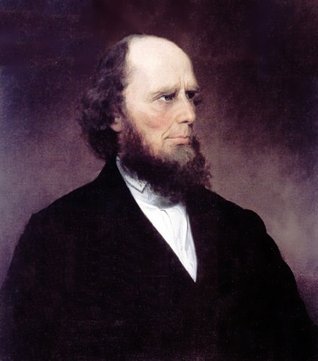


Charles Grandison Finney was a Presbyterian minister who became an important figure in the Second Great Awakening. His influence during this period was enough that he has been called "The Father of Modern Revivalism".
In addition to becoming a popular Christian evangelist, Finney was involved with the abolitionist movement and frequently denounced slavery from the pulpit.
Finney was known for his innovations in preaching and religious meetings, such as having women pray in public meetings of mixed gender, development of the "anxious seat" (a place where those considering becoming Christians could come to receive prayer), and public censure of individuals by name in sermons and prayers. He was also known for his use of extemporaneous preaching.
No man in his day and generation was more signally blessed of God in winning souls than Charles G. Finney. Thousands and tens of thousands in this and other lands were brought to Christ through his instrumentality. It is hoped that this brief study of his life and labors may stimulate others to renewed effort in seeking to bring men to a saving knowledge of Him who is our Redeemer and Lord.
... Show more