Charles Grandison Finney (1792 - 1875) was one of the principle leaders of Second Great Awakening in the United States. He was a Congregationalist/Presbyterian pastor and is called the 'Father of Modern Revivalism'. He believed in Christian perfectionism and was an opponent of the original form of Presbyterian theology.
His religious views led him to take up a number of social causes which included equal education rights regardless of gender or race, and the end to slavery. He was appointed as a teacher at Oberlin College in Ohio, and eventually became its president, a position he held form 1851 to 1866. He remained a prolific writer and speaker until his death in 1875.
In this collection over 400 of his articles and sermons have been gathered together.

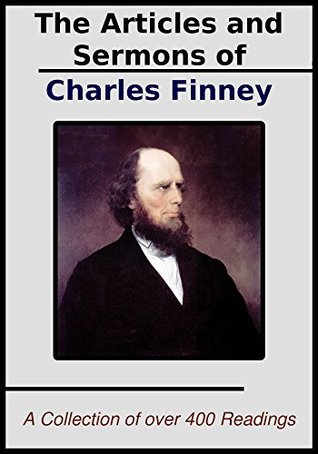


Charles Grandison Finney was a Presbyterian minister who became an important figure in the Second Great Awakening. His influence during this period was enough that he has been called "The Father of Modern Revivalism".
In addition to becoming a popular Christian evangelist, Finney was involved with the abolitionist movement and frequently denounced slavery from the pulpit.
Finney was known for his innovations in preaching and religious meetings, such as having women pray in public meetings of mixed gender, development of the "anxious seat" (a place where those considering becoming Christians could come to receive prayer), and public censure of individuals by name in sermons and prayers. He was also known for his use of extemporaneous preaching.
No man in his day and generation was more signally blessed of God in winning souls than Charles G. Finney. Thousands and tens of thousands in this and other lands were brought to Christ through his instrumentality. It is hoped that this brief study of his life and labors may stimulate others to renewed effort in seeking to bring men to a saving knowledge of Him who is our Redeemer and Lord.
... Show more