The first of the chronological volumes in this acclaimed critical edition of Bonhoeffer's work gathers his one hundred earliest letters and journals from after the First World War through his graduation from Berlin University. It also contains his early theological writings up to his dissertation. These seventeen works include, for example, works on the patristic period for Adolf von Harnack, on Luther's moods for Karl Holl, on biblical interpretation for Professor Reinhold Seeberg, as well as essays on the church and eschatology, reason and revelation, Job, John, and even joy. Rounding out this picture of Bonhoeffer's nascent theology are his sermons from the period, along with his lectures on homiletics, catechesis, and practical theology.
In translation for the first time, these writings show Bonhoeffer as pastor and theologian alert to his times and developing the formative themes of his religious worldview.

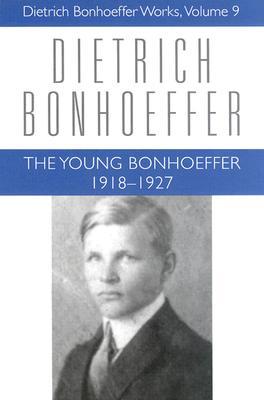


Dietrich Bonhoeffer was a German Lutheran pastor and theologian. He was also a participant in the German Resistance movement against Nazism, a founding member of the Confessing Church. His involvement in plans by members of the Abwehr (the German Military Intelligence Office) to assassinate Adolf Hitler resulted in his arrest in April 1943 and his subsequent execution by hanging in April 1945, shortly before the war's end.
Overshadowed by his life and death, his theology and his view of Christianity's role in the secular world has nevertheless remained very influential.
He seems to have undergone something of a personal conversion from a theologian primarily attracted to the intellectual side of Christianity to a dedicated man of faith, resolved to carry out the teaching of Christ as he found it revealed in the Gospels.
... Show more