
- Bible
- Read the Bible
- Bible Versions
- Verse of the Day
- Reading Plans
- Verses by Topic
- Books of the Bible
- Bible Images
- Study
- Commentaries
- Concordances
- Dictionaries
- Encyclopedias
- Sermons
- Bible Atlas & Maps
- BP Wiki
- Devotionals
- Today's Devotionals
- Light of the World
- All Devotionals
- Inspirational Quotes
- More
- Picture Quotes
- Videos
- Inspirational
- Bible Study
- What The Bible Says
- Bible Q&As
- Daily Bread
- Bible by Genre
- Bible Stories
- Random Bible Verse
- Community
- Store
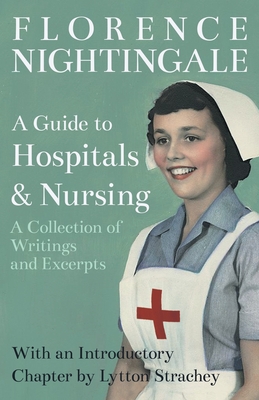
A Guide to Hospitals and Nursing - A Collection of Writings and Excerpts: With an Introductory Chapter by Lytton Strachey
by Florence Nightingale
Florence Nightingale (1820-1910) was an English social reformer, statistician, and pioneer of modern nursing. She became famous during the time she served as manager and trainer of nurses during the Crimean War, giving nursing a positive reputation and becoming a Victorian culture icon. Also known as "The Lady with the Lamp", she was an accomplished writer who produced a large corpus of work related to medical knowledge. A great example of such writing is "Guide To Hospitals And Nursing", within which Nightingale outlines some key principles of nursing with a particular focus on nursing for the poor and underprivileged. Highly recommended for those with an interest in the history and development of nursing and not to be missed by the discerning collector. Contents include: "Florence Nightingale, By Lytton Strachey", "Suggestions On A System Of Nursing For Hospitals In India", "Trained Nursing For The Sick Poor", "Workhouse Nursing - The Story Of A Successful Experiment", "Amy Sanitary Administration, and Its Reform Under The Late Lord Herbert", "Health Teaching In Towns And Villages. Rural Hygiene", etc. Other notable works by this author include: "Notes on Nursing: What Nursing Is, What Nursing is Not" (1859), "Suggestions for Thought" (1860), and "Una and the Lion" (1871).This classic work is being republished now in a new edition complete with an introductory chapter by Lytton Strachey.
Paperback, 224 pages
Published January 31st 2020 by Brilliant Women - Read & Co.
Subscribe
Get Bible verse every day in your inbox
Read on Mobile


Group of Brands


© 2026 Bibleportal.com All rights reserved.
1820-1910
Florence Nightingale who came to be known as "The Lady with the Lamp", was a pioneering English nurse, writer and noted statistician.
Inspired by what she took as a Christian divine calling, experienced first in 1837 at Embley Park and later throughout her life, Florence announced her decision to enter nursing in 1845. Nightingale worked hard to educate herself in the art and science of nursing, in spite of opposition from her family and the restrictive societal code for affluent young English women.
She cared for people in poverty. In December 1844, she became the leading advocate for improved medical care in the infirmarie. This led to her active role in the reform of the Poor Laws, extending far beyond the provision of medical care.
... Show more