
- Bible
- Read the Bible
- Bible Versions
- Verse of the Day
- Reading Plans
- Verses by Topic
- Books of the Bible
- Bible Images
- Study
- Commentaries
- Concordances
- Dictionaries
- Encyclopedias
- Sermons
- Bible Atlas & Maps
- BP Wiki
- Devotionals
- Today's Devotionals
- Light of the World
- All Devotionals
- Inspirational Quotes
- More
- Picture Quotes
- Videos
- Inspirational
- Bible Study
- What The Bible Says
- Bible Q&As
- Daily Bread
- Bible by Genre
- Bible Stories
- Random Bible Verse
- Community
- Store
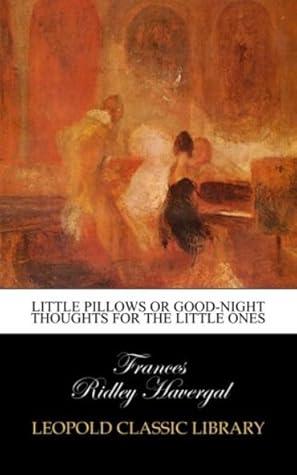
Little Pillows or good-night thoughts for the little ones
by Frances Ridley Havergal
Leopold Classic Library is delighted to publish this classic book as part of our extensive collection. As part of our on-going commitment to delivering value to the reader, we have also provided you with a link to a website, where you may download a digital version of this work for free. Many of the books in our collection have been out of print for decades, and therefore have not been accessible to the general public. Whilst the books in this collection have not been hand curated, an aim of our publishing program is to facilitate rapid access to this vast reservoir of literature. As a result of this book being first published many decades ago, it may have occasional imperfections. These imperfections may include poor picture quality, blurred or missing text. While some of these imperfections may have appeared in the original work, others may have resulted from the scanning process that has been applied. However, our view is that this is a significant literary work, which deserves to be brought back into print after many decades. While some publishers have applied optical character recognition (OCR), this approach has its own drawbacks, which include formatting errors, misspelt words, or the presence of inappropriate characters. Our philosophy has been guided by a desire to provide the reader with an experience that is as close as possible to ownership of the original work. We hope that you will enjoy this wonderful classic book, and that the occasional imperfection that it might contain will not detract from the experience.
BUY NOW
Paperback
Published November 10th 2015 by Leopold Classic Library
Subscribe
Get Bible verse every day in your inbox
Read on Mobile


Group of Brands


© 2026 Bibleportal.com All rights reserved.
Frances Ridley Havergal, the daughter of a Church of England minister, is well known for her great hymns of consecration including the famous Take My Life and Let It Be. She also wrote hymn melodies, religious tracts, and works for children.
In 1852/3 she studied in the Louisenschule, Dusseldorf, and at Oberkassel. Otherwise she led a quiet life, not enjoying consistent good health; she travelled, in particular to Switzerland. She supported the Church Missionary Society.
She died of peritonitis at Caswell Bay on the Gower Peninsula in Wales. Her sisters saw much of her work published posthumously. Havergal College, a private girls' school in Toronto, is named after her. The composer Havergal Brian adopted the name as a tribute to the Havergal family.
... Show more