
- Bible
- Read the Bible
- Bible Versions
- Verse of the Day
- Reading Plans
- Verses by Topic
- Books of the Bible
- Bible Images
- Study
- Commentaries
- Concordances
- Dictionaries
- Encyclopedias
- Sermons
- Bible Atlas & Maps
- BP Wiki
- Devotionals
- Today's Devotionals
- Light of the World
- All Devotionals
- Inspirational Quotes
- More
- Picture Quotes
- Videos
- Inspirational
- Bible Study
- What The Bible Says
- Bible Q&As
- Daily Bread
- Bible by Genre
- Bible Stories
- Random Bible Verse
- Community
- Store
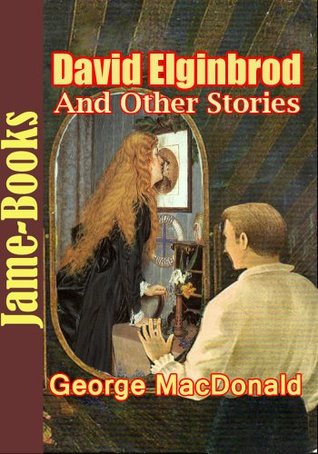
David Elginbrod, And Other Stories : 46 Collected Works of George MacDonald (The Wise Woman, Heather and Snow, The Princess and The Goblins, And More!)
by George MacDonald
David Elginbrod, And Other Stories is the collected works of George MacDonald, who was a Scottish author, poet, and Christian minister. This collection of works contains 46 works.
1 David Elginbrod, 1862
2 The Wise Woman,1875
3 Adela Cathcart, 1864
4 At the Back of the North Wind, 1914
5 Donal Grant,1905
6 England's Antiphon,1868
7 Heather and Snow, 1893
8 Lilith, 1895
9 Malcolm, 1875
10 Mary Marston, 1881
11 Salted With Fire, 1897
12 Phantastes, 1905
13 A Hidden Life and Other Poems, 1864
14 Hope of the Gospel
15 Warlock o' Glenwarlock, 1882
16 The Portent & Other Stories
17 The History of Gutta-Percha Willie, 1873
18 There and Back, 1891
19 The Vicar's Daughter, 1872
20 Wilfrid Cumbermede, 1872
21 Rampolli
22 Thomas Wingfold, Curate, 1876
23 A Double Story, 1875
24 Unspoken Sermons, 1885
25 A Rough Shaking, 1890
26 The Princess and The Goblins, 1872
27 The Princess and Curdie, 1883
28 Ranald Bannerman's Boyhood, 1871
29 The Flight of the Shadow
30 Robert Falconer, 1868
31 The Elect Lady, 1888
32 Weighed and Wanting, 1882
33 Miracles of Our Lord, 1870
34 Paul Faber, Surgeon, 1900
35 The Marquis of Lossie, 1877
36 A Book of Strife in the Form of The Diary of an Old Soul, 1880
37 Home Again, 1887
38 Alec Forbes of Howglen, 1900
39 Annals of a Quiet Neighbourhood, 1866
40 The Day Boy and the Night Girl, 1882
41 Cross Purposes and The Shadows,
42 Far Above Rubies, 1898
43 Sir Gibbie, 1879
44 A Dish Of Orts, 1893
45 The Light Princess and Other Fairy Stories, 1867
46 The Golden Key, 1867
1 David Elginbrod, 1862
2 The Wise Woman,1875
3 Adela Cathcart, 1864
4 At the Back of the North Wind, 1914
5 Donal Grant,1905
6 England's Antiphon,1868
7 Heather and Snow, 1893
8 Lilith, 1895
9 Malcolm, 1875
10 Mary Marston, 1881
11 Salted With Fire, 1897
12 Phantastes, 1905
13 A Hidden Life and Other Poems, 1864
14 Hope of the Gospel
15 Warlock o' Glenwarlock, 1882
16 The Portent & Other Stories
17 The History of Gutta-Percha Willie, 1873
18 There and Back, 1891
19 The Vicar's Daughter, 1872
20 Wilfrid Cumbermede, 1872
21 Rampolli
22 Thomas Wingfold, Curate, 1876
23 A Double Story, 1875
24 Unspoken Sermons, 1885
25 A Rough Shaking, 1890
26 The Princess and The Goblins, 1872
27 The Princess and Curdie, 1883
28 Ranald Bannerman's Boyhood, 1871
29 The Flight of the Shadow
30 Robert Falconer, 1868
31 The Elect Lady, 1888
32 Weighed and Wanting, 1882
33 Miracles of Our Lord, 1870
34 Paul Faber, Surgeon, 1900
35 The Marquis of Lossie, 1877
36 A Book of Strife in the Form of The Diary of an Old Soul, 1880
37 Home Again, 1887
38 Alec Forbes of Howglen, 1900
39 Annals of a Quiet Neighbourhood, 1866
40 The Day Boy and the Night Girl, 1882
41 Cross Purposes and The Shadows,
42 Far Above Rubies, 1898
43 Sir Gibbie, 1879
44 A Dish Of Orts, 1893
45 The Light Princess and Other Fairy Stories, 1867
46 The Golden Key, 1867
BUY NOW
Kindle Edition
Published December 1st 2012 by Jame-Books
Subscribe
Get Bible verse every day in your inbox
Read on Mobile


Group of Brands


© 2026 Bibleportal.com All rights reserved.
George MacDonald was a Scottish author, poet, and Christian minister.
Known particularly for his poignant fairy tales and fantasy novels, George MacDonald inspired many authors, such as W. H. Auden, J. R. R. Tolkien, C. S. Lewis, E. Nesbit and Madeleine L'Engle. G. K. Chesterton cited The Princess and the Goblin as a book that had "made a difference to my whole existence."
Even Mark Twain, who initially disliked MacDonald, became friends with him, and there is some evidence that Twain was influenced by MacDonald.
MacDonald grew up influenced by his Congregational Church, with an atmosphere of Calvinism. But MacDonald never felt comfortable with some aspects of Calvinist doctrine; indeed, legend has it that when the doctrine of predestination was first explained to him, he burst into tears (although assured that he was one of the elect). Later novels, such as Robert Falconer and Lilith, show a distaste for the idea that God's electing love is limited to some and denied to others.
... Show more