This book,
newly updated
newly updatednewly updated
, contains now several HTML tables of contents that will make reading a real pleasure!
The first table of contents (at the very beginning of the ebook) lists the titles of all novels included in this volume. By clicking on one of those titles you will be redirected to the beginning of that work, where you'll find a new TOC that lists all the chapters and sub-chapters of that specific work.
Here you will find the complete novels of George MacDonald in the chronological order of their original publication.
- Phantastes
- David Elginbrod
- The Portent
- Alec Forbes of Howglen
- Annals of a Quiet Neighbourhood
- Robert Falconer
- The Seaboard Parish
- At the Back of the North Wind
- Ranald Bannerman's Boyhood
- The Princess and the Goblin
- The Vicar's Daughter
- Wilfred Cumbermede
- Gutta Percha Willie
- The Lost Princess
- Malcolm
- Thomas Wingfold, Curate
- St. George and St. Michael
- The Marquis of Lossie
- Sir Gibbie
- Paul Faber, Surgeon
- Mary Marston
- Castle Warlock
- Weighed and Wanting
- Donal Grant
- The Princess and Curdie
- What's Mine's Mine
- Home Again
- The Elect Lady
- A Rough Shaking
- There and Back
- The Flight of the Shadow
- Lilith
- Salted with Fire

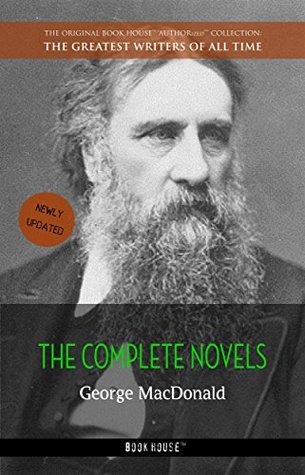


George MacDonald was a Scottish author, poet, and Christian minister.
Known particularly for his poignant fairy tales and fantasy novels, George MacDonald inspired many authors, such as W. H. Auden, J. R. R. Tolkien, C. S. Lewis, E. Nesbit and Madeleine L'Engle. G. K. Chesterton cited The Princess and the Goblin as a book that had "made a difference to my whole existence."
Even Mark Twain, who initially disliked MacDonald, became friends with him, and there is some evidence that Twain was influenced by MacDonald.
MacDonald grew up influenced by his Congregational Church, with an atmosphere of Calvinism. But MacDonald never felt comfortable with some aspects of Calvinist doctrine; indeed, legend has it that when the doctrine of predestination was first explained to him, he burst into tears (although assured that he was one of the elect). Later novels, such as Robert Falconer and Lilith, show a distaste for the idea that God's electing love is limited to some and denied to others.
... Show more