
- Bible
- Read the Bible
- Bible Versions
- Verse of the Day
- Reading Plans
- Verses by Topic
- Books of the Bible
- Bible Images
- Study
- Commentaries
- Concordances
- Dictionaries
- Encyclopedias
- Sermons
- Bible Atlas & Maps
- BP Wiki
- Devotionals
- Today's Devotionals
- Light of the World
- All Devotionals
- Inspirational Quotes
- More
- Picture Quotes
- Videos
- Inspirational
- Bible Study
- What The Bible Says
- Bible Q&As
- Daily Bread
- Bible by Genre
- Bible Stories
- Random Bible Verse
- Community
- Store
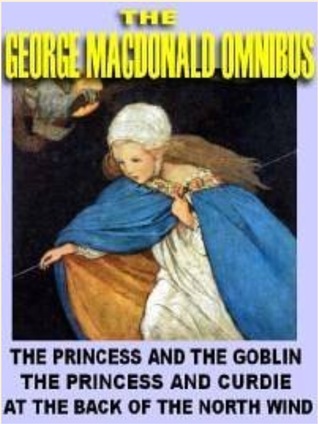
The George MacDonald Omnibus: The Princess and the Goblin; The Princess and Curdie; At the Back of the North Wind
THREE KEYSTONE FANTASY NOVELS IN ONE EBOOK
THREE KEYSTONE FANTASY NOVELS IN ONE EBOOKTHREE KEYSTONE FANTASY NOVELS IN ONE EBOOK
If you loved Tolkien, you will love the works of his hero and model, fantasist George MacDonald. Here is a trio of the most magical fantasy novels ever written: The Princess and the Goblin; The Princess and Curdie; At the Back of the North Wind. The Reader's Guide to Fantasy hails them as "The best of McDonald's fantasies." Join the adventures of two children, a princess and a miner's son in a magical country of goblins and evil beasts. These are unforgettable fantasies. As The Reader's Guide says, these books are "Invested by MacDonald with a deeply spiritual meaning, MacDonald made myths, myths that send reverberations down the entire life of anyone who has read them."
If you loved Tolkien, you will love the works of his hero and model, fantasist George MacDonald. Here is a trio of the most magical fantasy novels ever written: The Princess and the Goblin; The Princess and Curdie; At the Back of the North Wind. The Reader's Guide to Fantasy hails them as "The best of McDonald's fantasies." Join the adventures of two children, a princess and a miner's son in a magical country of goblins and evil beasts. These are unforgettable fantasies. As The Reader's Guide says, these books are "Invested by MacDonald with a deeply spiritual meaning, MacDonald made myths, myths that send reverberations down the entire life of anyone who has read them."BUY NOW
Published (first published August 19th 2004)
Get Bible verse every day in your inbox
Read on Mobile


Group of Brands


George MacDonald was a Scottish author, poet, and Christian minister.
Known particularly for his poignant fairy tales and fantasy novels, George MacDonald inspired many authors, such as W. H. Auden, J. R. R. Tolkien, C. S. Lewis, E. Nesbit and Madeleine L'Engle. G. K. Chesterton cited The Princess and the Goblin as a book that had "made a difference to my whole existence."
Even Mark Twain, who initially disliked MacDonald, became friends with him, and there is some evidence that Twain was influenced by MacDonald.
MacDonald grew up influenced by his Congregational Church, with an atmosphere of Calvinism. But MacDonald never felt comfortable with some aspects of Calvinist doctrine; indeed, legend has it that when the doctrine of predestination was first explained to him, he burst into tears (although assured that he was one of the elect). Later novels, such as Robert Falconer and Lilith, show a distaste for the idea that God's electing love is limited to some and denied to others.
... Show more