The contributions of these four presidents are forever set in stone!The contributions of these four presidents are forever set in stone!
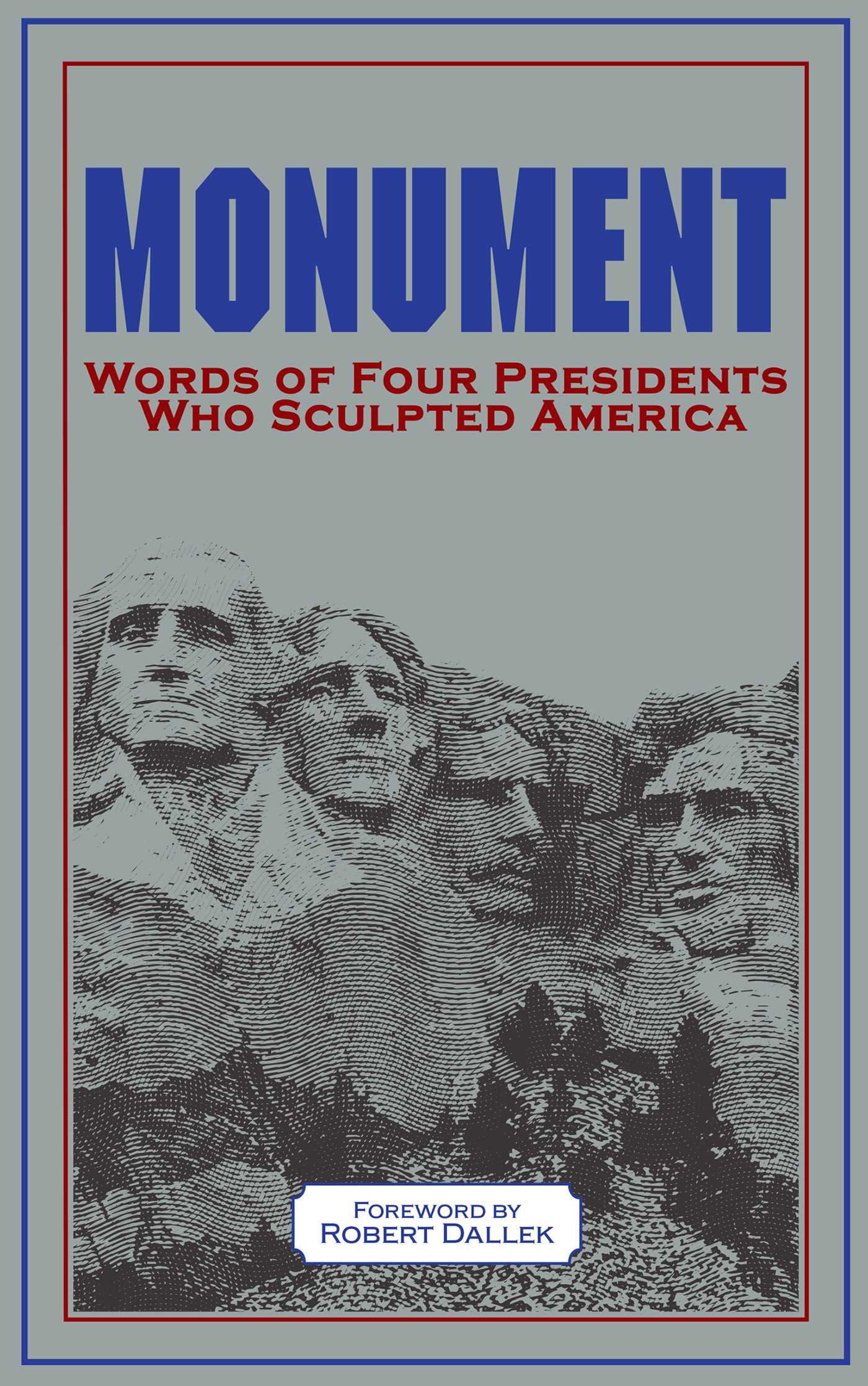
From personal correspondence to presidential speeches and documents, Monument: Words of Four Presidents Who Sculpted AmericaMonument: Words of Four Presidents Who Sculpted America explores the written words of the men forever remembered on the face of Mount Rushmore National Memorial in South Dakota. Originally a project to boost tourism, the sculpture received congressional approval in 1925, and construction was completed in 1941, shortly after the death of sculptor Gutzon Borglum. Canterbury Classics has gathered historic documents penned by George Washington, Thomas Jefferson, Abraham Lincoln, and Theodore Roosevelt into this beautiful leather-bound volume, and added introductions by learned scholars to outline the contribution each president made to the birth, growth, development, and preservation of the United States. Also included is the story of how Mount Rushmore came to be, and a foreword written by historian Robert Dallek. With more than two million visitors annually, Mount Rushmore lives up to its status as a “Shrine of Democracy,” and this rich piece of U.S. history is preserved in this timeless collectible edition.



George Washington was the commander of the Continental Army in the American Revolutionary War (1775-1783) and served as the first President of the United States of America (1789-1797). For his central role in the formation of the United States, he is often referred to as the father of his country.
Washington was baptized into the Church of England. In 1765, when the Church of England was still the state religion, he served on the vestry (lay council) for his local church. Throughout his life, he spoke of the value of righteousness, and of seeking and offering thanks for the "blessings of Heaven."
The Electoral College elected Washington unanimously in 1789, and again in the 1792 election; he remains the only president to receive 100% of the electoral votes.
Washington proved an able administrator. An excellent delegator and judge of talent and character, he held regular cabinet meetings to debate issues before making a final decision. In handling routine tasks, he was "systematic, orderly, energetic, solicitous of the opinion of others but decisive, intent upon general goals and the consistency of particular actions with them.
Washington died in 1799. He has been consistently ranked by scholars as one of the greatest U.S. Presidents.
... Show more