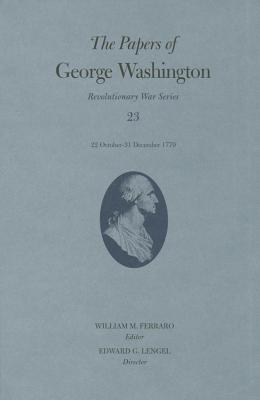
As October 1779 became November, George Washington realized that autumn had advanced too far for a combined Franco-American assault against the British forces in New York City that year, and he curtailed preparations. After a large British expedition departed New York in late December, Washington concentrated on settling his Army for the winter, which already had become unusually snowy and brutally cold. Troubles confronting the army and the incipient nation did not erode Washington's sense of humanity. When Elizabeth Burgin, a widow who had assisted American prisoners in New York City, called upon him for assistance, Washington ordered the commissary at Philadelphia to provide her with provisions and successfully urged Congress to extend additional relief. He also took careful measures to facilitate his wife Martha's travels fro Mount Vernon to join him at winter camp at Morristown. As British persistence, physical suffering among the troops, financial difficulties, and widespread disgruntlement eclipsed the optimism emanating from the enemy's evacuation of Rhode Island that October, Washington's personal fortitude and steadiness at this daunting time was crucial to the revolutionary cause.



George Washington was the commander of the Continental Army in the American Revolutionary War (1775-1783) and served as the first President of the United States of America (1789-1797). For his central role in the formation of the United States, he is often referred to as the father of his country.
Washington was baptized into the Church of England. In 1765, when the Church of England was still the state religion, he served on the vestry (lay council) for his local church. Throughout his life, he spoke of the value of righteousness, and of seeking and offering thanks for the "blessings of Heaven."
The Electoral College elected Washington unanimously in 1789, and again in the 1792 election; he remains the only president to receive 100% of the electoral votes.
Washington proved an able administrator. An excellent delegator and judge of talent and character, he held regular cabinet meetings to debate issues before making a final decision. In handling routine tasks, he was "systematic, orderly, energetic, solicitous of the opinion of others but decisive, intent upon general goals and the consistency of particular actions with them.
Washington died in 1799. He has been consistently ranked by scholars as one of the greatest U.S. Presidents.
... Show more