
- Bible
- Read the Bible
- Bible Versions
- Verse of the Day
- Reading Plans
- Verses by Topic
- Books of the Bible
- Bible Images
- Study
- Commentaries
- Concordances
- Dictionaries
- Encyclopedias
- Sermons
- Bible Atlas & Maps
- BP Wiki
- Devotionals
- Today's Devotionals
- Light of the World
- All Devotionals
- Inspirational Quotes
- More
- Picture Quotes
- Videos
- Inspirational
- Bible Study
- What The Bible Says
- Bible Q&As
- Daily Bread
- Bible by Genre
- Bible Stories
- Random Bible Verse
- Community
- Store
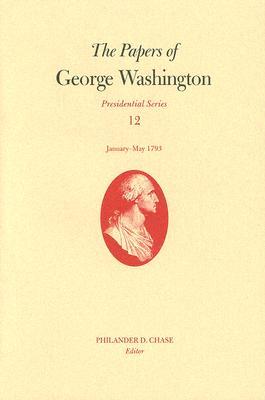
The Papers of George Washington, Volume 12: January--May 1793
by George Washington
In the period covered by volume 12, mid-January through May 1793, Washington completed his first term as president and began his second term with a modest inauguration ceremony. Washington continued his efforts to keep the United States out of the expanding European war between France and a coalition that now included Great Britain. The behavior of Edmond Genet, the new French minister to the United States, and the presence of French privateers in American waters intensified disagreement among Americans over U.S. foreign policy, especially American obligations under its treaties with France. After extensive consultation with the cabinet, Washington issued a neutrality proclamation in April, but this did little to quell the debate. While the administration made arrangements for a forthcoming peace treaty at Lower Sandusky with the Indians of the Northwest Territory, the U.S. Army under General Anthony Wayne prepared for an Indian war. In addition, Washington monitored the development of the Federal District. He intervened in a dispute between the commissioners for the District of Columbia and their chief surveyor, Andrew Ellicott, and approved the architectural plans for the U.S. Capitol. As always, the president tended to his private financial affairs and the management of his farms at Mount Vernon, a task made more difficult by the death of his nephew and estate manager, George Augustine Washington.
BUY NOW
Hardcover, 708 pages
Published February 1st 2005 by University of Virginia Press (first published January 2005)
Subscribe
Get Bible verse every day in your inbox
Read on Mobile


Group of Brands


© 2026 Bibleportal.com All rights reserved.
George Washington was the commander of the Continental Army in the American Revolutionary War (1775-1783) and served as the first President of the United States of America (1789-1797). For his central role in the formation of the United States, he is often referred to as the father of his country.
Washington was baptized into the Church of England. In 1765, when the Church of England was still the state religion, he served on the vestry (lay council) for his local church. Throughout his life, he spoke of the value of righteousness, and of seeking and offering thanks for the "blessings of Heaven."
The Electoral College elected Washington unanimously in 1789, and again in the 1792 election; he remains the only president to receive 100% of the electoral votes.
Washington proved an able administrator. An excellent delegator and judge of talent and character, he held regular cabinet meetings to debate issues before making a final decision. In handling routine tasks, he was "systematic, orderly, energetic, solicitous of the opinion of others but decisive, intent upon general goals and the consistency of particular actions with them.
Washington died in 1799. He has been consistently ranked by scholars as one of the greatest U.S. Presidents.
... Show more