
- Bible
- Read the Bible
- Bible Versions
- Verse of the Day
- Reading Plans
- Verses by Topic
- Books of the Bible
- Bible Images
- Study
- Commentaries
- Concordances
- Dictionaries
- Encyclopedias
- Sermons
- Bible Atlas & Maps
- BP Wiki
- Devotionals
- Today's Devotionals
- Light of the World
- All Devotionals
- Inspirational Quotes
- More
- Picture Quotes
- Videos
- Inspirational
- Bible Study
- What The Bible Says
- Bible Q&As
- Daily Bread
- Bible by Genre
- Bible Stories
- Random Bible Verse
- Community
- Store
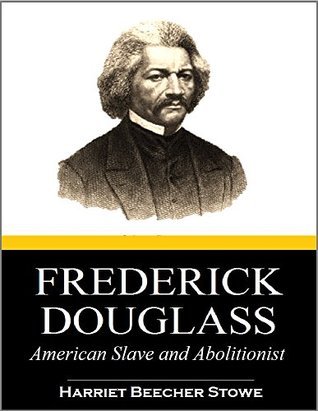
Frederick Douglas: American Slave and Abolitionist (1868)
by Harriet Beecher Stowe
Harriet Beecher Stowe (1811 – 1896) was famous American abolitionist and author who wrote over 30 books, with her most famous work being "Uncle Tom's Cabin."
Frederick Douglass (1818 – 1895) was an African-American social reformer, abolitionist, orator, writer, and statesman. After escaping from slavery, he became a leader of the abolitionist movement, gaining note for his dazzling oratory and incisive antislavery writings.
Contents:
The Opportunity for Every Man in a Republic
The Depth Below a White Man's Poverty
The Starting Point whence Fred Douglass Raised Himself
His Mother
Her Noble Traits
Her Self-Denial for the sake of Seeing him
She Defends him against Aunt Katy
Her Death—Col. Loyd's Plantation
The Luxury of his own Mansion
The Organization of his Estate
" Old Master"
How they Punished the "Women
How Young Douglass Philosophized on Being a Slave
Plantation Life
The Allowance of Food
The Clothes
An Average Plantation Day
Mr. Douglass' Experience as a Slave Child
The Slave Children's Trough
The Slave Child's Thoughts
The Melancholy of Slave Songs
He Becomes a House Servant
A Kind Mistress Teaches him to Head
How he completed his Education
Effects of Learning to Read
Experiences Religion and Prays for Liberty
Learns to Write—Hires his Time, and Absconds
Becomes a Free Working-Man in New Bedford
Marries—Mr. Douglass on Garrison
Mr. Douglass' Literary Career.
This book originally published in 1868 has been reformatted for the Kindle and may contain an occasional defect from the original publication or from the reformatting.
Frederick Douglass (1818 – 1895) was an African-American social reformer, abolitionist, orator, writer, and statesman. After escaping from slavery, he became a leader of the abolitionist movement, gaining note for his dazzling oratory and incisive antislavery writings.
Contents:
The Opportunity for Every Man in a Republic
The Depth Below a White Man's Poverty
The Starting Point whence Fred Douglass Raised Himself
His Mother
Her Noble Traits
Her Self-Denial for the sake of Seeing him
She Defends him against Aunt Katy
Her Death—Col. Loyd's Plantation
The Luxury of his own Mansion
The Organization of his Estate
" Old Master"
How they Punished the "Women
How Young Douglass Philosophized on Being a Slave
Plantation Life
The Allowance of Food
The Clothes
An Average Plantation Day
Mr. Douglass' Experience as a Slave Child
The Slave Children's Trough
The Slave Child's Thoughts
The Melancholy of Slave Songs
He Becomes a House Servant
A Kind Mistress Teaches him to Head
How he completed his Education
Effects of Learning to Read
Experiences Religion and Prays for Liberty
Learns to Write—Hires his Time, and Absconds
Becomes a Free Working-Man in New Bedford
Marries—Mr. Douglass on Garrison
Mr. Douglass' Literary Career.
This book originally published in 1868 has been reformatted for the Kindle and may contain an occasional defect from the original publication or from the reformatting.
BUY NOW
Kindle Edition, 21 pages
Published October 2nd 2015
Subscribe
Get Bible verse every day in your inbox
Read on Mobile


Group of Brands


© 2026 Bibleportal.com All rights reserved.
1811-1896
Harriet Beecher Stowe was an American abolitionist and author. Harriet was born in Litchfield, Connecticut, as the daughter of an outspoken religious leader Lyman Beecher. She was the sister of the educator and author, Catherine Beecher, clergymen Henry Ward Beecher and Charles Beecher.
Her father was a preacher who was greatly effected by the pro-slavery riots that took place in Cincinnati in 1834.
Stowe's novel Uncle Tom's Cabin (1852) depicted life for African-Americans under slavery; it reached millions as a novel and play, and became influential in the U.S. and Britain and made the political issues of the 1850s regarding slavery tangible to millions, energizing anti-slavery forces in the American North, while provoking widespread anger in the South. Upon meeting Stowe, Abraham Lincoln allegedly remarked, "So this is the little old lady who started this new great war!"
... Show more