
- Bible
- Read the Bible
- Bible Versions
- Verse of the Day
- Reading Plans
- Verses by Topic
- Books of the Bible
- Bible Images
- Study
- Commentaries
- Concordances
- Dictionaries
- Encyclopedias
- Sermons
- Bible Atlas & Maps
- BP Wiki
- Devotionals
- Today's Devotionals
- Light of the World
- All Devotionals
- Inspirational Quotes
- More
- Picture Quotes
- Videos
- Inspirational
- Bible Study
- What The Bible Says
- Bible Q&As
- Daily Bread
- Bible by Genre
- Bible Stories
- Random Bible Verse
- Community
- Store
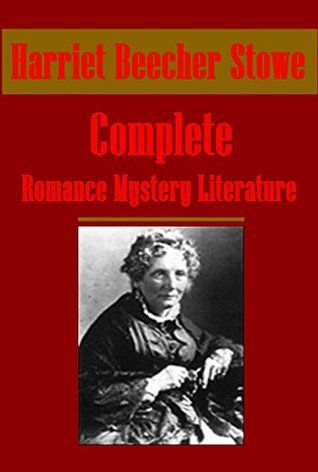
Life of Harriet Beecher Stowe 23- Uncle Tom's Cabin My Wife and I Minister's Wooing Poganuc People Religious Studies Poems American Woman's Home Pink and ... Tyranny Oldtown Fireside Household Paper
by Harriet Beecher Stowe
Contents
Agnes of Sorrento (1862)
The Chimney-Corner (1877)
The May Flower, and Miscellaneous Writings (1855)
The Salem witchcraft, The planchette mystery, and Modern spiritualism with Dr. Doddridge's dream (1886)
The Pearl of Orr's Island: A Story of the Coast of Maine (1862)
Household Papers and Stories (1868)
Life of Harriet Beecher Stowe (1890)
Oldtown Fireside Stories (1872)
Betty's Bright Idea; Deacon Pitkin's Farm; and the First Christmas of New (1875)
American Woman's Home: Or, Principles of Domestic Science
My Wife and I (1872)
Uncle Tom's Cabin (1852)
The Minister's Wooing (1859)
The Pearl of Orr's Island: A Story of the Coast of Maine (1896)
Written prior to 1862, the "Pearl of Orr's Island" is ever new; a book filled with delicate fancies, such as seemingly array themselves anew each time one reads them. One sees the "sea like an unbroken mirror all around the pine-girt, lonely shores of Orr's Island," and straightway comes "the heavy, hollow moan of the surf on the beach, like the wild angry howl of some savage animal." Who can read of the beginning of that sweet life, named Mara, which came into this world under the very shadow of the Death angel's wings, without having an intense desire to know how the premature bud blossomed?
Uncle Tom's Cabin-
The story focuses on the tale of Uncle Tom, a long-suffering black slave, the central character around whose life the other characters--both fellow slaves and slave owners--revolve. The novel dramatizes the harsh reality of slavery while also showing that Christian love and faith can overcome even something as evil as enslavement of fellow human beings.
Agnes of Sorrento (1862)
The Chimney-Corner (1877)
The May Flower, and Miscellaneous Writings (1855)
The Salem witchcraft, The planchette mystery, and Modern spiritualism with Dr. Doddridge's dream (1886)
The Pearl of Orr's Island: A Story of the Coast of Maine (1862)
Household Papers and Stories (1868)
Life of Harriet Beecher Stowe (1890)
Oldtown Fireside Stories (1872)
Betty's Bright Idea; Deacon Pitkin's Farm; and the First Christmas of New (1875)
American Woman's Home: Or, Principles of Domestic Science
My Wife and I (1872)
Uncle Tom's Cabin (1852)
The Minister's Wooing (1859)
The Pearl of Orr's Island: A Story of the Coast of Maine (1896)
Written prior to 1862, the "Pearl of Orr's Island" is ever new; a book filled with delicate fancies, such as seemingly array themselves anew each time one reads them. One sees the "sea like an unbroken mirror all around the pine-girt, lonely shores of Orr's Island," and straightway comes "the heavy, hollow moan of the surf on the beach, like the wild angry howl of some savage animal." Who can read of the beginning of that sweet life, named Mara, which came into this world under the very shadow of the Death angel's wings, without having an intense desire to know how the premature bud blossomed?
Uncle Tom's Cabin-
The story focuses on the tale of Uncle Tom, a long-suffering black slave, the central character around whose life the other characters--both fellow slaves and slave owners--revolve. The novel dramatizes the harsh reality of slavery while also showing that Christian love and faith can overcome even something as evil as enslavement of fellow human beings.
BUY NOW
Kindle Edition
Published August 26th 2015 by APD Publishing
Subscribe
Get Bible verse every day in your inbox
Read on Mobile


Group of Brands


© 2026 Bibleportal.com All rights reserved.
1811-1896
Harriet Beecher Stowe was an American abolitionist and author. Harriet was born in Litchfield, Connecticut, as the daughter of an outspoken religious leader Lyman Beecher. She was the sister of the educator and author, Catherine Beecher, clergymen Henry Ward Beecher and Charles Beecher.
Her father was a preacher who was greatly effected by the pro-slavery riots that took place in Cincinnati in 1834.
Stowe's novel Uncle Tom's Cabin (1852) depicted life for African-Americans under slavery; it reached millions as a novel and play, and became influential in the U.S. and Britain and made the political issues of the 1850s regarding slavery tangible to millions, energizing anti-slavery forces in the American North, while provoking widespread anger in the South. Upon meeting Stowe, Abraham Lincoln allegedly remarked, "So this is the little old lady who started this new great war!"
... Show more