This John Seymour was about as good and honest a man as there is going in this world of ours. He was a generous, just, manly, religious young fellow. He was heir to a large, solid property; he was a well-read lawyer, established in a flourishing business; he was a man that all the world spoke well of, and had cause to speak well of. The only duty to society which John had left as yet unperformed was that of matrimony. Three and thirty years had passed; and, with every advantage for supporting a wife, with a charming home all ready for a mistress, John, as yet, had not proposed to be the defender and provider for any of the more helpless portion of creation. The cause of this was, in the first place, that John was very happy in the society of a sister, a little older than himself, who managed his house admirably, and was a charming companion to his leisure hours; and, in the second place, that he had a secret, bashful self-depreciation in regard to his power of pleasing women, which made him ill at ease in their society.

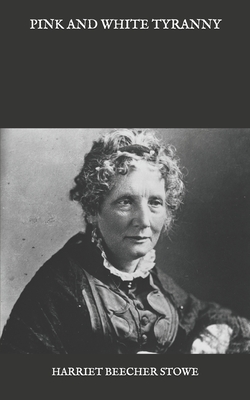


1811-1896
Harriet Beecher Stowe was an American abolitionist and author. Harriet was born in Litchfield, Connecticut, as the daughter of an outspoken religious leader Lyman Beecher. She was the sister of the educator and author, Catherine Beecher, clergymen Henry Ward Beecher and Charles Beecher.
Her father was a preacher who was greatly effected by the pro-slavery riots that took place in Cincinnati in 1834.
Stowe's novel Uncle Tom's Cabin (1852) depicted life for African-Americans under slavery; it reached millions as a novel and play, and became influential in the U.S. and Britain and made the political issues of the 1850s regarding slavery tangible to millions, energizing anti-slavery forces in the American North, while provoking widespread anger in the South. Upon meeting Stowe, Abraham Lincoln allegedly remarked, "So this is the little old lady who started this new great war!"
... Show more