
- Bible
- Read the Bible
- Bible Versions
- Verse of the Day
- Reading Plans
- Verses by Topic
- Books of the Bible
- Bible Images
- Study
- Commentaries
- Concordances
- Dictionaries
- Encyclopedias
- Sermons
- Bible Atlas & Maps
- BP Wiki
- Devotionals
- Today's Devotionals
- Light of the World
- All Devotionals
- Inspirational Quotes
- More
- Picture Quotes
- Videos
- Inspirational
- Bible Study
- What The Bible Says
- Bible Q&As
- Daily Bread
- Bible by Genre
- Bible Stories
- Random Bible Verse
- Community
- Store
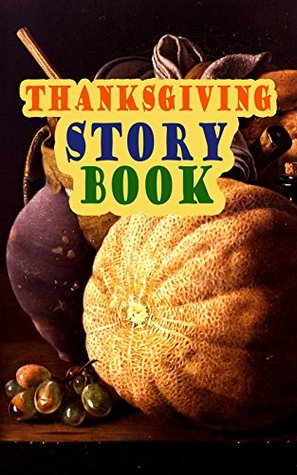
Thanksgiving Story Book: Classic Holiday Tales for Children
by Harriet Beecher Stowe
This carefully edited collection of the greatest tales of Thanksgiving is formatted for your eReader with a functional and detailed table of contents:
An English Dinner of Thanksgiving (George Eliot)
An Old-Fashioned Thanksgiving (Louisa May Alcott)
Aunt Susanna's Thanksgiving Dinner (Lucy Maud Montgomery)
The Genesis of the Doughnut Club (Lucy Maud Montgomery)
Ezra's Thanksgivin' Out West (Eugene Field)
John Inglefield's Thanksgiving (Nathaniel Hawthorne)
Helen's Thanksgiving (Susan Coolidge)
Thanksgiving at the Polls (Edward Everett Hale)
Millionaire Mike's Thanksgiving (Eleanor H. Porter)
The Thanksgiving of the Wazir (Andrew Lang)
The Master of the Harvest (Mrs. Alfred Gatty)
How We Kept Thanksgiving at Oldtown (Harriet Beecher Stowe)
The Queer Little Baker Man (Phila Butler Bowman)
A Turkey for the Stuffing (Katherine Grace Hulbert)
Mrs. November's Party (Agnes Carr)
The Debut of Dan'l Webster (Isabel Gordon Curtis)
The Two Alms, or the Thanksgiving Day Gift (Eleanor L. Skinner)
The Kingdom of the Greedy (P. J. Stahl)
Thankful (Mary E. Wilkins Freeman)
Beetle Ring's Thanksgiving Mascot (Sheldon C. Stoddard)
Mistress Esteem Elliott's Molasses Cake (Kate Upson Clark)
The First Thanksgiving (Albert F. Blaisdell and Francis K. Ball)
Thanksgiving at Todd's Asylum (Winthrop Packard)
Wishbone Valley (R. K. Munkittrick)
Patem's Salmagundi (E. S. Brooks)
The Visit (Maud Lindsay)
The Story of Ruth and Naomi (Bible)
Bert's Thanksgiving (J. T. Trowbridge)
A Thanksgiving Story (Miss L. B. Pingree)
How Obadiah Brought About a Thanksgiving (Emily Hewitt Leland)
The White Turkey's Wing (Sophie Swett)
A Mystery in the Kitchen (Olive Thorne Miller)
Who Ate the Dolly's Dinner? (Isabel Gordon Curtis)….
An English Dinner of Thanksgiving (George Eliot)
An Old-Fashioned Thanksgiving (Louisa May Alcott)
Aunt Susanna's Thanksgiving Dinner (Lucy Maud Montgomery)
The Genesis of the Doughnut Club (Lucy Maud Montgomery)
Ezra's Thanksgivin' Out West (Eugene Field)
John Inglefield's Thanksgiving (Nathaniel Hawthorne)
Helen's Thanksgiving (Susan Coolidge)
Thanksgiving at the Polls (Edward Everett Hale)
Millionaire Mike's Thanksgiving (Eleanor H. Porter)
The Thanksgiving of the Wazir (Andrew Lang)
The Master of the Harvest (Mrs. Alfred Gatty)
How We Kept Thanksgiving at Oldtown (Harriet Beecher Stowe)
The Queer Little Baker Man (Phila Butler Bowman)
A Turkey for the Stuffing (Katherine Grace Hulbert)
Mrs. November's Party (Agnes Carr)
The Debut of Dan'l Webster (Isabel Gordon Curtis)
The Two Alms, or the Thanksgiving Day Gift (Eleanor L. Skinner)
The Kingdom of the Greedy (P. J. Stahl)
Thankful (Mary E. Wilkins Freeman)
Beetle Ring's Thanksgiving Mascot (Sheldon C. Stoddard)
Mistress Esteem Elliott's Molasses Cake (Kate Upson Clark)
The First Thanksgiving (Albert F. Blaisdell and Francis K. Ball)
Thanksgiving at Todd's Asylum (Winthrop Packard)
Wishbone Valley (R. K. Munkittrick)
Patem's Salmagundi (E. S. Brooks)
The Visit (Maud Lindsay)
The Story of Ruth and Naomi (Bible)
Bert's Thanksgiving (J. T. Trowbridge)
A Thanksgiving Story (Miss L. B. Pingree)
How Obadiah Brought About a Thanksgiving (Emily Hewitt Leland)
The White Turkey's Wing (Sophie Swett)
A Mystery in the Kitchen (Olive Thorne Miller)
Who Ate the Dolly's Dinner? (Isabel Gordon Curtis)….
BUY NOW
Kindle Edition, 619 pages
Published November 6th 2017 by e-artnow
Subscribe
Get Bible verse every day in your inbox
Read on Mobile


Group of Brands


© 2026 Bibleportal.com All rights reserved.
1811-1896
Harriet Beecher Stowe was an American abolitionist and author. Harriet was born in Litchfield, Connecticut, as the daughter of an outspoken religious leader Lyman Beecher. She was the sister of the educator and author, Catherine Beecher, clergymen Henry Ward Beecher and Charles Beecher.
Her father was a preacher who was greatly effected by the pro-slavery riots that took place in Cincinnati in 1834.
Stowe's novel Uncle Tom's Cabin (1852) depicted life for African-Americans under slavery; it reached millions as a novel and play, and became influential in the U.S. and Britain and made the political issues of the 1850s regarding slavery tangible to millions, energizing anti-slavery forces in the American North, while provoking widespread anger in the South. Upon meeting Stowe, Abraham Lincoln allegedly remarked, "So this is the little old lady who started this new great war!"
... Show more