
- Bible
- Read the Bible
- Bible Versions
- Verse of the Day
- Reading Plans
- Verses by Topic
- Books of the Bible
- Bible Images
- Study
- Commentaries
- Concordances
- Dictionaries
- Encyclopedias
- Sermons
- Bible Atlas & Maps
- BP Wiki
- Devotionals
- Today's Devotionals
- Light of the World
- All Devotionals
- Inspirational Quotes
- More
- Picture Quotes
- Videos
- Inspirational
- Bible Study
- What The Bible Says
- Bible Q&As
- Daily Bread
- Bible by Genre
- Bible Stories
- Random Bible Verse
- Community
- Store
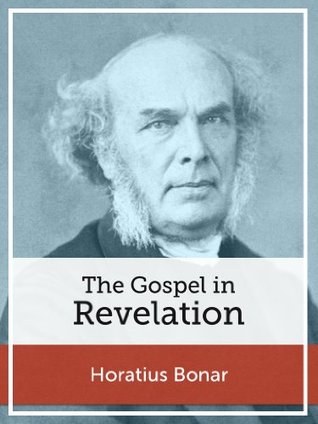
The Gospel in Revelation
by Horatius Bonar
Horatius Bonar (1808 – 1889) was a Scottish pastor, poet, and devotional writer.
"The Lamb is everywhere," Bonar writes. "He is on the throne; He is at the head of His redeemed, leading them to living fountains of waters; He is in every dwelling and in every chamber; He is the glory over all; Prince, Shepherd, Bridegroom, lamp and sun; alpha and omega, beginning and ending, first and last. He meets you at every step; He is seen in every object; He is heard in every sound; His name is the burden of every melody; and the chorus of each Psalm and hymn is, ‘Worthy is the Lamb that was slain to receive blessing, and glory, and honour.’"
His mediations in The Gospel According to Revelation include:
I. The Book of the Last Days
II. The Grace and Peace of the Three-One God
III. The Chief Among Ten Thousand
IV. The Great Advent
V. The Fullness of the God-Man
VI. The Voice From Patmos to the Churches
VII. The Seven Golden Lamps
VIII. The Glory of the Son Of Man
IX. Fear and Its Remedy
X. The Symbolic Sevens
XI. Watchman, What of the Night?
XII. Self-Denial Christianity
XIII. First Love Left
XIV. Paradise and the Tree of Life
XV. The Divine Food of Our Heavenly Life
XVI. The Morning Star
XVII. The Fullness of the Holy Ghost
XVIII. The Key of David
XIX. The Church’s Little Strength, and the Lord’s Great Love
XX. The Philadelphian Conqueror
XXI. The Charity of the Lord Jesus
XXII. The Heavenly Merchant and His Goods
XXIII. The Love and the Discipline
XXIV. Christ’s Loving Earnestness
XXV. The Victory and the Crown
XXVI. Glory to the Glorious One
XXVII. The Weakness and the Power of Christ
XXVIII. How Long?
XXIX. The Recompense Of Martyrdom
XXX. Pent-Up Judgment
XXXI. The Great Multitude
XXXII. The Earthly and the Heavenly
XXXIII. The All-Fragrant Incense
XXXIV. The Cross of the Lord Jesus
XXXV. Strangership and Pilgrimage
XXXVI. The Heavenly Song of Victory
XXXVII. The Blood of the Covenant
XXXIX. The Model of a Holy Life
XL. The Everlasting Gospel
XLI. The Swift and Sudden Advent
XLII. The One Witness and the One Testimony
XLIII. The Great Prophetic Burden
XLIV. Messiah’s Many Crowns
XLV. The First Resurrection
XLVI. The Great White Throne
XLVII. Death and the Grave
XLVIII. The Vision of the Restitution of All Things
XLIX. God’s Tabernacle On Earth
L. The Coming of the Perfect, and the Departure of the Imperfect
LI. The New Things of God
LII. The Conqueror’s Reward and the Coward’s Doom
LIII. The Glorious Bride
LIV. The Holy City
LV. The Light of the New Jerusalem
LVI. The Life River
LVII. The Tree With Its Twelve Harvests
LVIII. The Serving and the Reigning
LIX. The Curse Cancelled, and the Kingdom Begun
LX. The Vision of God
LXI. Entrance Into the City
LXII. Come, O Saviour! Come, O Sinner!
LXIII. The Divine Word and the Doom of Its Defacers
LXIV. The Free Love of Christ
LXV. The Last Amen
"The Lamb is everywhere," Bonar writes. "He is on the throne; He is at the head of His redeemed, leading them to living fountains of waters; He is in every dwelling and in every chamber; He is the glory over all; Prince, Shepherd, Bridegroom, lamp and sun; alpha and omega, beginning and ending, first and last. He meets you at every step; He is seen in every object; He is heard in every sound; His name is the burden of every melody; and the chorus of each Psalm and hymn is, ‘Worthy is the Lamb that was slain to receive blessing, and glory, and honour.’"
His mediations in The Gospel According to Revelation include:
I. The Book of the Last Days
II. The Grace and Peace of the Three-One God
III. The Chief Among Ten Thousand
IV. The Great Advent
V. The Fullness of the God-Man
VI. The Voice From Patmos to the Churches
VII. The Seven Golden Lamps
VIII. The Glory of the Son Of Man
IX. Fear and Its Remedy
X. The Symbolic Sevens
XI. Watchman, What of the Night?
XII. Self-Denial Christianity
XIII. First Love Left
XIV. Paradise and the Tree of Life
XV. The Divine Food of Our Heavenly Life
XVI. The Morning Star
XVII. The Fullness of the Holy Ghost
XVIII. The Key of David
XIX. The Church’s Little Strength, and the Lord’s Great Love
XX. The Philadelphian Conqueror
XXI. The Charity of the Lord Jesus
XXII. The Heavenly Merchant and His Goods
XXIII. The Love and the Discipline
XXIV. Christ’s Loving Earnestness
XXV. The Victory and the Crown
XXVI. Glory to the Glorious One
XXVII. The Weakness and the Power of Christ
XXVIII. How Long?
XXIX. The Recompense Of Martyrdom
XXX. Pent-Up Judgment
XXXI. The Great Multitude
XXXII. The Earthly and the Heavenly
XXXIII. The All-Fragrant Incense
XXXIV. The Cross of the Lord Jesus
XXXV. Strangership and Pilgrimage
XXXVI. The Heavenly Song of Victory
XXXVII. The Blood of the Covenant
XXXIX. The Model of a Holy Life
XL. The Everlasting Gospel
XLI. The Swift and Sudden Advent
XLII. The One Witness and the One Testimony
XLIII. The Great Prophetic Burden
XLIV. Messiah’s Many Crowns
XLV. The First Resurrection
XLVI. The Great White Throne
XLVII. Death and the Grave
XLVIII. The Vision of the Restitution of All Things
XLIX. God’s Tabernacle On Earth
L. The Coming of the Perfect, and the Departure of the Imperfect
LI. The New Things of God
LII. The Conqueror’s Reward and the Coward’s Doom
LIII. The Glorious Bride
LIV. The Holy City
LV. The Light of the New Jerusalem
LVI. The Life River
LVII. The Tree With Its Twelve Harvests
LVIII. The Serving and the Reigning
LIX. The Curse Cancelled, and the Kingdom Begun
LX. The Vision of God
LXI. Entrance Into the City
LXII. Come, O Saviour! Come, O Sinner!
LXIII. The Divine Word and the Doom of Its Defacers
LXIV. The Free Love of Christ
LXV. The Last Amen
BUY NOW
Kindle Edition, 318 pages
Published January 9th 2014 by Titus Books
Subscribe
Get Bible verse every day in your inbox
Read on Mobile


Group of Brands


© 2026 Bibleportal.com All rights reserved.
Horatius Bonar (1808 - 1889)
Bonar has been called “the prince of Scottish hymn writers.” After graduating from the University of Edinburgh, he was ordained in 1838, and became pastor of the North Parish, Kelso. He joined the Free Church of Scotland after the “Disruption” of 1843, and for a while edited the church’s The Border Watch. Bonar remained in Kelso for 28 years, after which he moved to the Chalmers Memorial church in Edinburgh, where he served the rest of his life. Bonar wrote more than 600 hymns.He was a voluminous and highly popular author. He also served as the editor for "The Quarterly journal of Prophecy" from 1848 to 1873 and for the "Christian Treasury" from 1859 to 1879. In addition to many books and tracts wrote a number of hymns, many of which, e.g., "I heard the voice of Jesus say" and "Blessing and Honour and Glory and Power," became known all over the English-speaking world. A selection of these was published as Hymns of Faith and Hope (3 series). His last volume of poetry was My Old Letters. Bonar was also author of several biographies of ministers he had known, including "The Life of the Rev. John Milne of Perth" in 1869, - and in 1884 "The Life and Works of the Rev. G. T. Dodds", who had been married to Bonar's daughter and who had died in 1882 while serving as a missionary in France.
Horatius Bonar comes from a long line of ministers who have served a total of 364 years in the Church of Scotland.
He entered the Ministry of the Church of Scotland. At first he was put in charge of mission work at St. John's parish in Leith and settled at Kelso. He joined the Free Church at the time of the Disruption of 1843, and in 1867 was moved to Edinburgh to take over the Chalmers Memorial Church (named after his teacher at college, Dr. Thomas Chalmers). In 1883, he was elected Moderator of the General Assembly of the Church of Scotland.
He was a voluminous and highly popular author. He also served as the editor for "The Quarterly journal of Prophecy" from 1848 to 1873 and for the "Christian Treasury" from 1859 to 1879. In addition to many books and tracts wrote a number of hymns, many of which, e.g., "I heard the voice of Jesus say" and "Blessing and Honor and Glory and Power," became known all over the English-speaking world.
Horatius Bonar, had a passionate heart for revival and was a friend and supporter of several revivalists, He was brother to the more well-known Andrew Bonar, and with him defended D. L. Moody's evangelistic ministry in Scotland. He authored a couple of excellent revival works, one including over a hundred biographical sketches and the other an addendum to Rev. John Gillies' 'Historical Collections...' bringing it up to date.
He was a powerful soul-winner and is well qualified to pen this brief, but illuminating study of the character of true revivalists.
Horatius was in fact one of eleven children, and of these an older brother, John James, and a younger, Andrew, also became ministers and were all closely involved, together with Thomas Chalmers, William C. Burns and Robert Murray M'Cheyne, in the important spiritual movements which affected many places in Scotland in the 1830s and 1840s.
In the controversy known as the "Great Disruption," Horatius stood firmly with the evangelical ministers and elders who left the Church of Scotland's General Assembly in May 1843 and formed the new Free Church of Scotland. By this time he had started to write hymns, some of which appeared in a collection he published in 1845, but typically, his compositions were not named. His gifts for expressing theological truths in fluent verse form are evident in all his best-known hymns, but in addition he was also blessed with a deep understanding of doctrinal principles.
Examples of the hymns he composed on the fundamental doctrines include, "Glory be to God the Father".....on the Trinity. "0 Love of God, how strong and true".....on Redemption. "Light of the world," - "Rejoice and be glad" - "Done is the work" on the Person and Work of Christ. "Come Lord and tarry not," on His Second Coming, while the hymn "Blessed be God, our God!" conveys a sweeping survey of Justification and Sanctification.
In all this activity, his pastoral work and preaching were never neglected and after almost twenty years labouring in the Scottish Borders at Kelso, Bonar moved back to Edinburgh in 1866 to be minister at the Chalmers Memorial Chapel (now renamed St. Catherine's Argyle Church). He continued his ministry for a further twenty years helping to arrange D.L. Moody's meetings in Edinburgh in 1873 and being appointed moderator of the Free Church ten years later. His health declined by 1887, but he was approaching the age of eighty when he preached in his church for the last time, and he died on 31 May 1889.
... Show more