
- Bible
- Read the Bible
- Bible Versions
- Verse of the Day
- Reading Plans
- Verses by Topic
- Books of the Bible
- Bible Images
- Study
- Commentaries
- Concordances
- Dictionaries
- Encyclopedias
- Sermons
- Bible Atlas & Maps
- BP Wiki
- Devotionals
- Today's Devotionals
- Light of the World
- All Devotionals
- Inspirational Quotes
- More
- Picture Quotes
- Videos
- Inspirational
- Bible Study
- What The Bible Says
- Bible Q&As
- Daily Bread
- Bible by Genre
- Bible Stories
- Random Bible Verse
- Community
- Store
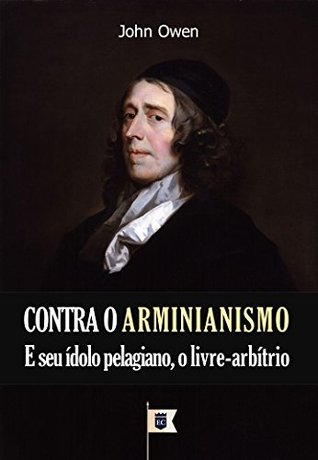
PREFÁCIO
Muito nos alegramos no Senhor por nos conceder fazer mais esta publicação tão solene e importante para nós, e por meio dela reafirmar nossa luta. Lutamos pela causa de Deus e da verdade. Trabalhamos e anelamos para sermos constantes no amor e firmes na doutrina. Estas duas coisas, ao mesmo tempo. Portanto, esta publicação não foi idealizada como uma luta contra a carne e o sangue, mas contra o erro e a mentira. Não odiamos as pessoas daqueles a quem nos opomos, muito pelo contrário, as amamos e por isso combatemos os seus graves erros, buscando convencer-lhes a se voltarem daqueles para a verdade das Sagradas Escrituras, como nós mesmos fizemos em um passado recente. Amar de verdade é falar a verdade.
Ao contrário do que alguns pensam, nesta obra, Owen trata de um assunto da maior relevância para a Fé Cristã. Algumas pessoas dizem que é tolice perder tempo com discussões a respeito de Calvinismo e Arminianismo, pois estas questões não são importantes; o que é importante mesmo é a salvação das almas e a pregação do Evangelho. As pessoas que são desta opinião claramente demonstram profunda ignorância tanto quanto à discussão em si, quanto ao ensino das Escrituras, e o que é o mais terrível: mostram-se falsamente zelosas por Deus e por Sua glória, posto que negligenciam em grande medida, a verdade de Deus e a precisão bíblica. É somente a verdade que capacita qualquer alma a glorificar a Deus. Quando falamos de Calvinismo e Arminianismo, não estamos falando das próprias ideias que foram desenvolvidas pelo homem João Calvino ou pelo homem Jacó Armínio, como se isso fosse um debate entre doutrinas de homens, estamos falando sobre qual é o verdadeiro ensino das Escrituras Sagradas sobre Deus e a salvação dos homens. Em outras palavras, estamos buscando responder às perguntas: Quem é Deus? Como um homem pode ser salvo? [...]
___________________
SUMÁRIO
Prefácio
Notas de Tradução
Nota Prévia
Aos Excelentíssimos Lordes E Senhores Do Comitê Pela Religião
Para o Leitor Cristão
Capítulo 1 • Sobre Os Dois Principais Fins Almejados Pelos Arminianos, Por Suas Inovações Na Doutrina Recebida Das Igrejas Reformadas
Capítulo 2 • Sobre A Eternidade E Imutabilidade Dos Decretos Do Deus Todo-Poderoso, Negadas E Atacadas Pelos Arminianos
Capítulo 3 • Sobre A Presciência Ou Pré-Conhecimento De Deus, E Como Isso É Questionado E Atacado Pelos Arminianos
Capítulo 4 • Sobre A Providência De Deus Em Governar O Mundo Diversamente, E Como Ele É Rejeitado Desta Preeminência Pelo Ídolo Arminiano Do Livre-Arbítrio
Capítulo 5 • Se A Vontade E O Propósito De Deus Podem Ser Resistidos, E Se Ele Será Frustrado Em Suas Intenções
Capítulo 6 • Como Toda A Doutrina Da Predestinação É Corrompida Pelos Arminianos
Capítulo 7 • Sobre O Pecado Original E A Corrupção Da Natureza
Capítulo 8 • Sobre O Estado De Adão Antes Da Queda, Ou Sobre A Justiça Original
Capítulo 9 • Sobre A Morte De Cristo, E Sobre A Eficácia De Seus Méritos
Capítulo 10 • Sobre A Causa Da Fé, Da Graça E Da Justiça
Capítulo 11 • A
Muito nos alegramos no Senhor por nos conceder fazer mais esta publicação tão solene e importante para nós, e por meio dela reafirmar nossa luta. Lutamos pela causa de Deus e da verdade. Trabalhamos e anelamos para sermos constantes no amor e firmes na doutrina. Estas duas coisas, ao mesmo tempo. Portanto, esta publicação não foi idealizada como uma luta contra a carne e o sangue, mas contra o erro e a mentira. Não odiamos as pessoas daqueles a quem nos opomos, muito pelo contrário, as amamos e por isso combatemos os seus graves erros, buscando convencer-lhes a se voltarem daqueles para a verdade das Sagradas Escrituras, como nós mesmos fizemos em um passado recente. Amar de verdade é falar a verdade.
Ao contrário do que alguns pensam, nesta obra, Owen trata de um assunto da maior relevância para a Fé Cristã. Algumas pessoas dizem que é tolice perder tempo com discussões a respeito de Calvinismo e Arminianismo, pois estas questões não são importantes; o que é importante mesmo é a salvação das almas e a pregação do Evangelho. As pessoas que são desta opinião claramente demonstram profunda ignorância tanto quanto à discussão em si, quanto ao ensino das Escrituras, e o que é o mais terrível: mostram-se falsamente zelosas por Deus e por Sua glória, posto que negligenciam em grande medida, a verdade de Deus e a precisão bíblica. É somente a verdade que capacita qualquer alma a glorificar a Deus. Quando falamos de Calvinismo e Arminianismo, não estamos falando das próprias ideias que foram desenvolvidas pelo homem João Calvino ou pelo homem Jacó Armínio, como se isso fosse um debate entre doutrinas de homens, estamos falando sobre qual é o verdadeiro ensino das Escrituras Sagradas sobre Deus e a salvação dos homens. Em outras palavras, estamos buscando responder às perguntas: Quem é Deus? Como um homem pode ser salvo? [...]
___________________
SUMÁRIO
Prefácio
Notas de Tradução
Nota Prévia
Aos Excelentíssimos Lordes E Senhores Do Comitê Pela Religião
Para o Leitor Cristão
Capítulo 1 • Sobre Os Dois Principais Fins Almejados Pelos Arminianos, Por Suas Inovações Na Doutrina Recebida Das Igrejas Reformadas
Capítulo 2 • Sobre A Eternidade E Imutabilidade Dos Decretos Do Deus Todo-Poderoso, Negadas E Atacadas Pelos Arminianos
Capítulo 3 • Sobre A Presciência Ou Pré-Conhecimento De Deus, E Como Isso É Questionado E Atacado Pelos Arminianos
Capítulo 4 • Sobre A Providência De Deus Em Governar O Mundo Diversamente, E Como Ele É Rejeitado Desta Preeminência Pelo Ídolo Arminiano Do Livre-Arbítrio
Capítulo 5 • Se A Vontade E O Propósito De Deus Podem Ser Resistidos, E Se Ele Será Frustrado Em Suas Intenções
Capítulo 6 • Como Toda A Doutrina Da Predestinação É Corrompida Pelos Arminianos
Capítulo 7 • Sobre O Pecado Original E A Corrupção Da Natureza
Capítulo 8 • Sobre O Estado De Adão Antes Da Queda, Ou Sobre A Justiça Original
Capítulo 9 • Sobre A Morte De Cristo, E Sobre A Eficácia De Seus Méritos
Capítulo 10 • Sobre A Causa Da Fé, Da Graça E Da Justiça
Capítulo 11 • A
BUY NOW
Kindle Edition, 205 pages
Published March 10th 2016 by O Estandarte de Cristo


Group of Brands


© 2026 Bibleportal.com All rights reserved.
John Owen (1616 - 1683)
Read freely text sermons and articles by the speaker John Owen in text and pdf format.John Owen, called the “prince of the English divines,” “the leading figure among the Congregationalist divines,” “a genius with learning second only to Calvin’s,” and “indisputably the leading proponent of high Calvinism in England in the late seventeenth century,” was born in Stadham (Stadhampton), near Oxford. He was the second son of Henry Owen, the local Puritan vicar. Owen showed godly and scholarly tendencies at an early age. He entered Queen’s College, Oxford, at the age of twelve and studied the classics, mathematics, philosophy, theology, Hebrew, and rabbinical writings. He earned a Bachelor of Arts degree in 1632 and a Master of Arts degree in 1635. Throughout his teen years, young Owen studied eighteen to twenty hours per day.Pressured to accept Archbishop Laud’s new statutes, Owen left Oxford in 1637. He became a private chaplain and tutor, first for Sir William Dormer of Ascot, then for John Lord Lovelace at Hurley, Berkshire. He worked for Lovelace until 1643. Those years of chaplaincy afforded him much time for study, which God richly blessed. At the age of twenty-six, Owen began a forty-one year writing span that produced more than eighty works. Many of those would become classics and be greatly used by God.
Owen was by common consent the weightiest Puritan theologian, and many would bracket him with Jonathan Edwards as one of the greatest Reformed theologians of all time.
Born in 1616, he entered Queen's College, Oxford, at the age of twelve and secured his M.A. in 1635, when he was nineteen. In his early twenties, conviction of sin threw him into such turmoil that for three months he could scarcely utter a coherent word on anything; but slowly he learned to trust Christ, and so found peace.
In 1637 he became a pastor; in the 1640s he was chaplain to Oliver Cromwell, and in 1651 he was made Dean of Christ Church, Oxford's largest college. In 1652 he was given the additional post of Vice-Chancellor of the University, which he then reorganized with conspicuous success. After 1660 he led the Independents through the bitter years of persecution till his death in 1683.
John Owen was born of Puritan parents at Stadham in Oxfordshire in 1616. At Oxford University, which he entered in 1628 at twelve years of age, John pored over books so much that he undermined his health by sleeping only four hours a night. In old age he deeply regretted this misuse of his body, and said he would give up all the additional learning it brought him if only he might have his health back. Naturally, he studied the classics of the western world, but also Hebrew, the literature of the Jewish rabbis, mathematics and philosophy. His beliefs at that time were Presbyterian, however, his ambition, although fixed on the church, was worldly.
John was driven from Oxford in 1637 when Archbishop Laud issued rules that many of England's more democratically-minded or "low" church ministers could not accept. After this, John was in deep depression. He struggled to resolve religious issues to his satisfaction. While in this state, he heard a sermon on the text "Why are you fearful, O you of little faith?" which fired him with new decisiveness.
After that, John wrote a rebuke of Arminianism (a mild form of Calvinism which teaches that man has some say in his own salvation or damnation although God is still sovereign). Ordained shortly before his expulsion from Oxford, he was given work at Fordham in Essex. After that he rose steadily in public affairs. Before all was over, he would become one of the top administrators of the university which expelled him and he even sat in Parliament.
He became a Congregationalist (Puritan) and took Parliament's side in the English Civil Wars. Oliver Cromwell employed him in positions of influence and trust, but John would not go along when Cromwell became "Protector." Nonetheless, many of Parliament's leaders attended John's church.
John's reputation was so great that he was offered many churches. One was in Boston, Massachusetts. John turned that down, but he once scolded the Puritans of New England for persecuting people who disagreed with them.
He also engaged in controversy with such contemporaries as Richard Baxter and Jeremy Taylor. Through it all, John focused his teaching on the person of Christ. "If Christ had not died," he said, "sin had never died in any sinner unto eternity." In another place he noted that "Christ did not die for any upon condition, if they do believe; but he died for all God's elect, that they should believe."
John wrote many books including a masterpiece on the Holy Spirit. Kidney stones and asthma tormented him in his last years. But he died peacefully in the end, eyes and hands lifted up as if in prayer.
... Show more