
- Bible
- Read the Bible
- Bible Versions
- Verse of the Day
- Reading Plans
- Verses by Topic
- Books of the Bible
- Bible Images
- Study
- Commentaries
- Concordances
- Dictionaries
- Encyclopedias
- Sermons
- Bible Atlas & Maps
- BP Wiki
- Devotionals
- Today's Devotionals
- Light of the World
- All Devotionals
- Inspirational Quotes
- More
- Picture Quotes
- Videos
- Inspirational
- Bible Study
- What The Bible Says
- Bible Q&As
- Daily Bread
- Bible by Genre
- Bible Stories
- Random Bible Verse
- Community
- Store
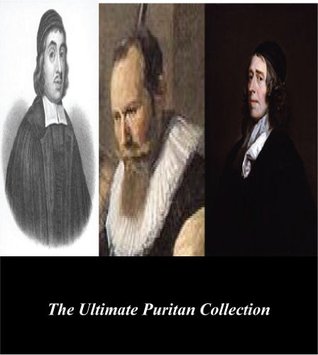
The Ultimate Puritan Collection: The Works of Thomas Watson, Thomas Brooks, and John Owen
by John Owen
This collection includes the following works by Thomas Watson:
A Body of Divinity
The Godly Man’s Picture
The Lord’s Prayer
The Ten Commandments
The Christian Soldier, or Heaven Taken by Storm
The Great Gain of Godliness
The Art of Divine Contentment
The Beatitudes: An Exposition of Matthew 5:1-12
The Mischief of Sin
The Christian’s Charter
A Divine Cordial
A Treatise Concerning Meditation
The Doctrine of Repentance
The Duty of Self-Denial
The Day of Judgment Asserted
Thomas Watson was an English Puritan preacher. Watson was well known for his Presbyterian views during the English Civil War and in 1651 he was imprisoned for his involvement in a plot to recall King Charles II. After Watson’s release in 1652, he became a famous preacher until the Restoration in 1660 when he was ejected for nonconformity.
This collection includes the following works by Thomas Brooks:
Precious Remedies Against Satan’s Devices
Heaven on Earth
The Unsearchable Riches of Christ
The Mute Christian Under the Smarting Rod
A Believer’s Last Day, His Best Day
A Cabinet of Choice Jewels, or, A Box of Precious Ointment
A Heavenly Cordial
A Word in Season to Suffering Saints
Apples of Gold
God’s Delight in the Progress of the Uptight
Hypocrites Detected and Condemned
Paradise Opened
The Glorious Day of the Saints Appearance
The Golden Key to Open Hidden Treasures
The Privy Key to Heaven
The Transcendent Excellency of a Beliver’s Portion above All Earthly Portions
Touchstone of Sincerity
Words of Counsel to a Dear Dying Friend
Thomas Brooks was a Puritan preacher and writer. Brooks studied at Emmanuel College, Cambridge in 1625, the same place that famous religious figures such as Thomas Hooker, John Cotton and Thomas Shepard studied before him. Brooks became a minister at Thomas Apostle’s in London after the First English Civil War. Brooks did much of his writing after the Act of Uniformity in 1662.
This collection includes the following works by John Owen:
A Display of Arminianism
Christologia
The Death of Death in the Death of Christ
Meditations and Discourses on the Glory of Christ
Of the Mortification of Sin in Belivers
Of Temptation
Grace and Duty of Being Spiritually Minded
A Brief Declaration and Vindication of the Doctrine of the Trinity
A Brief Instruction in the Worship of God
A Discourse Concerning Evangelical Love, Church Peace, and Unity
A Discourse Concerning Liturgies and Their Imposition
John Owen was an English minister. Owen, born and raised a Puritan in Oxfordshire, studied at Queen’s College and became ordained there. After becoming ordained Owen was a pastor at a couple different parishes.
Owen would later return to Oxford and become the academic administrator. Owens also was a good friend of Oliver Cromwell and gave many sermons before Parliament. After Cromwell died Owen became more active in politics and joined the Wallingford House party. Throughout his life Owen wrote on a variety of topics including the defense of Calvinism in A Display of Arminianism.
This collection includes a working table of contents.
A Body of Divinity
The Godly Man’s Picture
The Lord’s Prayer
The Ten Commandments
The Christian Soldier, or Heaven Taken by Storm
The Great Gain of Godliness
The Art of Divine Contentment
The Beatitudes: An Exposition of Matthew 5:1-12
The Mischief of Sin
The Christian’s Charter
A Divine Cordial
A Treatise Concerning Meditation
The Doctrine of Repentance
The Duty of Self-Denial
The Day of Judgment Asserted
Thomas Watson was an English Puritan preacher. Watson was well known for his Presbyterian views during the English Civil War and in 1651 he was imprisoned for his involvement in a plot to recall King Charles II. After Watson’s release in 1652, he became a famous preacher until the Restoration in 1660 when he was ejected for nonconformity.
This collection includes the following works by Thomas Brooks:
Precious Remedies Against Satan’s Devices
Heaven on Earth
The Unsearchable Riches of Christ
The Mute Christian Under the Smarting Rod
A Believer’s Last Day, His Best Day
A Cabinet of Choice Jewels, or, A Box of Precious Ointment
A Heavenly Cordial
A Word in Season to Suffering Saints
Apples of Gold
God’s Delight in the Progress of the Uptight
Hypocrites Detected and Condemned
Paradise Opened
The Glorious Day of the Saints Appearance
The Golden Key to Open Hidden Treasures
The Privy Key to Heaven
The Transcendent Excellency of a Beliver’s Portion above All Earthly Portions
Touchstone of Sincerity
Words of Counsel to a Dear Dying Friend
Thomas Brooks was a Puritan preacher and writer. Brooks studied at Emmanuel College, Cambridge in 1625, the same place that famous religious figures such as Thomas Hooker, John Cotton and Thomas Shepard studied before him. Brooks became a minister at Thomas Apostle’s in London after the First English Civil War. Brooks did much of his writing after the Act of Uniformity in 1662.
This collection includes the following works by John Owen:
A Display of Arminianism
Christologia
The Death of Death in the Death of Christ
Meditations and Discourses on the Glory of Christ
Of the Mortification of Sin in Belivers
Of Temptation
Grace and Duty of Being Spiritually Minded
A Brief Declaration and Vindication of the Doctrine of the Trinity
A Brief Instruction in the Worship of God
A Discourse Concerning Evangelical Love, Church Peace, and Unity
A Discourse Concerning Liturgies and Their Imposition
John Owen was an English minister. Owen, born and raised a Puritan in Oxfordshire, studied at Queen’s College and became ordained there. After becoming ordained Owen was a pastor at a couple different parishes.
Owen would later return to Oxford and become the academic administrator. Owens also was a good friend of Oliver Cromwell and gave many sermons before Parliament. After Cromwell died Owen became more active in politics and joined the Wallingford House party. Throughout his life Owen wrote on a variety of topics including the defense of Calvinism in A Display of Arminianism.
This collection includes a working table of contents.
BUY NOW
Kindle Edition
Published October 18th 2012 by First Rate Publishers


Group of Brands


© 2026 Bibleportal.com All rights reserved.
John Owen (1616 - 1683)
Read freely text sermons and articles by the speaker John Owen in text and pdf format.John Owen, called the “prince of the English divines,” “the leading figure among the Congregationalist divines,” “a genius with learning second only to Calvin’s,” and “indisputably the leading proponent of high Calvinism in England in the late seventeenth century,” was born in Stadham (Stadhampton), near Oxford. He was the second son of Henry Owen, the local Puritan vicar. Owen showed godly and scholarly tendencies at an early age. He entered Queen’s College, Oxford, at the age of twelve and studied the classics, mathematics, philosophy, theology, Hebrew, and rabbinical writings. He earned a Bachelor of Arts degree in 1632 and a Master of Arts degree in 1635. Throughout his teen years, young Owen studied eighteen to twenty hours per day.Pressured to accept Archbishop Laud’s new statutes, Owen left Oxford in 1637. He became a private chaplain and tutor, first for Sir William Dormer of Ascot, then for John Lord Lovelace at Hurley, Berkshire. He worked for Lovelace until 1643. Those years of chaplaincy afforded him much time for study, which God richly blessed. At the age of twenty-six, Owen began a forty-one year writing span that produced more than eighty works. Many of those would become classics and be greatly used by God.
Owen was by common consent the weightiest Puritan theologian, and many would bracket him with Jonathan Edwards as one of the greatest Reformed theologians of all time.
Born in 1616, he entered Queen's College, Oxford, at the age of twelve and secured his M.A. in 1635, when he was nineteen. In his early twenties, conviction of sin threw him into such turmoil that for three months he could scarcely utter a coherent word on anything; but slowly he learned to trust Christ, and so found peace.
In 1637 he became a pastor; in the 1640s he was chaplain to Oliver Cromwell, and in 1651 he was made Dean of Christ Church, Oxford's largest college. In 1652 he was given the additional post of Vice-Chancellor of the University, which he then reorganized with conspicuous success. After 1660 he led the Independents through the bitter years of persecution till his death in 1683.
John Owen was born of Puritan parents at Stadham in Oxfordshire in 1616. At Oxford University, which he entered in 1628 at twelve years of age, John pored over books so much that he undermined his health by sleeping only four hours a night. In old age he deeply regretted this misuse of his body, and said he would give up all the additional learning it brought him if only he might have his health back. Naturally, he studied the classics of the western world, but also Hebrew, the literature of the Jewish rabbis, mathematics and philosophy. His beliefs at that time were Presbyterian, however, his ambition, although fixed on the church, was worldly.
John was driven from Oxford in 1637 when Archbishop Laud issued rules that many of England's more democratically-minded or "low" church ministers could not accept. After this, John was in deep depression. He struggled to resolve religious issues to his satisfaction. While in this state, he heard a sermon on the text "Why are you fearful, O you of little faith?" which fired him with new decisiveness.
After that, John wrote a rebuke of Arminianism (a mild form of Calvinism which teaches that man has some say in his own salvation or damnation although God is still sovereign). Ordained shortly before his expulsion from Oxford, he was given work at Fordham in Essex. After that he rose steadily in public affairs. Before all was over, he would become one of the top administrators of the university which expelled him and he even sat in Parliament.
He became a Congregationalist (Puritan) and took Parliament's side in the English Civil Wars. Oliver Cromwell employed him in positions of influence and trust, but John would not go along when Cromwell became "Protector." Nonetheless, many of Parliament's leaders attended John's church.
John's reputation was so great that he was offered many churches. One was in Boston, Massachusetts. John turned that down, but he once scolded the Puritans of New England for persecuting people who disagreed with them.
He also engaged in controversy with such contemporaries as Richard Baxter and Jeremy Taylor. Through it all, John focused his teaching on the person of Christ. "If Christ had not died," he said, "sin had never died in any sinner unto eternity." In another place he noted that "Christ did not die for any upon condition, if they do believe; but he died for all God's elect, that they should believe."
John wrote many books including a masterpiece on the Holy Spirit. Kidney stones and asthma tormented him in his last years. But he died peacefully in the end, eyes and hands lifted up as if in prayer.
... Show more