Such was the revulsion in the United States over the purported murder of William Morgan, an upstate New Yorker who in 1826 disappeared after threatening to expose Masonic secrets, that political groups campaigned to drive Masons out of office and close down their lodges. President John Quincy Adams devoted considerable energy to the controversy, as this remarkable set of letters shows. He not only scorned Freemasonry but opposed college secret societies as well, and his feelings about secrecy continue to be of interest as in a new era we face Wikileaks and other challenges to covert activities.

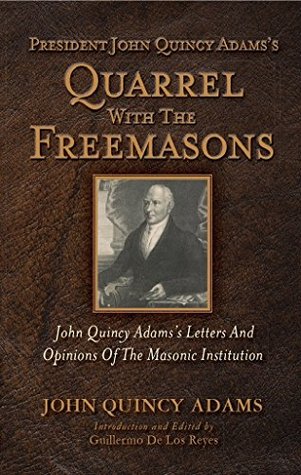


John Quincy Adams was the sixth President of the United States from March 4, 1825 to March 4, 1829. He was also an American diplomat and served in both the Senate and House of Representatives. He was a member of the Federalist, Democratic-Republican, National Republican, and later Anti-Masonic and Whig parties.
During his term as president, however, Adams achieved little of consequence in foreign affairs. A reason for this was the opposition he faced in Congress, where his rivals prevented him from succeeding.
Among the few diplomatic achievements of his administration were treaties of reciprocity with a number of nations, including Denmark, Mexico, the Hanseatic League, the Scandinavian countries, Prussia and Austria. However, thanks to the successes of Adams' diplomacy during his previous eight years as Secretary of State, most of the foreign policy issues he would have faced had been resolved by the time he became President.
... Show more