
- Bible
- Read the Bible
- Bible Versions
- Verse of the Day
- Reading Plans
- Verses by Topic
- Books of the Bible
- Bible Images
- Study
- Commentaries
- Concordances
- Dictionaries
- Encyclopedias
- Sermons
- Bible Atlas & Maps
- BP Wiki
- Devotionals
- Today's Devotionals
- Light of the World
- All Devotionals
- Inspirational Quotes
- More
- Picture Quotes
- Videos
- Inspirational
- Bible Study
- What The Bible Says
- Bible Q&As
- Daily Bread
- Bible by Genre
- Bible Stories
- Random Bible Verse
- Community
- Store
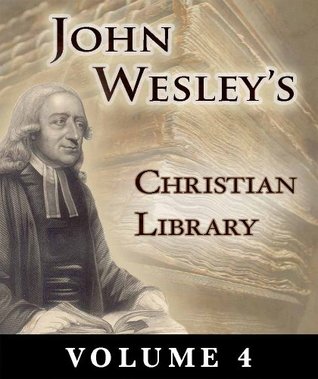
You are about to download Volume 4 of John Wesley's 'A Christian Library - Extracts from and Abridgments of the Choicest Pieces of Practical Divinity Which Have Been Published in the English Tongue', for Kindle or other E-Reader device.
Instead of downloading John Wesley's Christian Library in its entirety, we have conveniently broken this monumental work into individual books. This allows you to save more free space on your Kindle/other device and makes for faster searches and quicker navigation. We sincerely hope these features will enhance your studies and maximize your reading experience.
In 1750 Wesley published a monolithic 50-volume set of books called A Christian Library: “Extracts from and Abridgments of the Choicest Pieces of Practical Divinity Which Have Been Published in the English Tongue.” In this collection of writings,he mostly ignores the church fathers (represented only by the apostolic fathers and Macarius), the great medieval scholastics, and the reformers. Instead, Wesley focuses on recent centuries (from as far back as the sixteenth up to his contemporaries like Jonathan Edwards in the eighteenth), English works (including both Puritans and Established churchmen who took turns persecuting each other), and above all, “Practical Divinity.”
Here is a list of contents of John Wesley’s Christian Library:
Volume 1: The Apostolic Fathers, Macarius of Egypt, Johann Arndt’s True Christianity.
Volume 2: Foxe’s Book of Martyrs.
Volume 3: Additional Foxe’s Martyrs, with supplements.
Volume 4: Additional Foxe supplements, Bishop Hall’s Meditations, extracts from Robert Bolton.
Volume 5: Additional Robert Bolton, John Preston.
Volume 6: Additional John Preston, Richard Sibs, Thomas Goodwin.
Volume 7: Additional Thomas Goodwin, William Dell, Thomas Manton, Isaac Ambrose.
Volume 8: Additional Isaac Ambrose (Looking Unto Jesus).
Volume 9: Additional Ambrose, Jeremy Taylor, Francis Rouse’s Academia Celestis, Ralph Cudworth, Nathanael Culverwell.
Volume 10: Additional Nathanael Culverwell, John Owen (Mortification of Sin, Christologia, Communion with God).
Volume 11: Additional John Owen, John Smith.
Volume 12: Herbert Palmer, extracts from The Whole Duty of Man, William Whateley, sermons of Bishop Robert Sanderson.
Volume 13: James Garden’s Comparative Religion.
Volume 14: Pascal’s Pensees, John Worthington’s Self-Resignation, Bishop Ken’s Exposition of the Catechism.
Volume 15: Lives of Eminent Christians, chiefly extracted from Clark.
Volume 16: Life of Bishop Bedell, Life of Archbishop Butler, Letters of Samuel Rutherford, Anthony Horneck’s Happy Ascetic & Lives of Primitive Christians.
Volume 17: Works by Hugh Binning, Matthew Hale, & Simon Patrick’s Christian Sacrifice.
Volume 18: Richard Allen (Vindication of Godliness, Rebuke to Backsliders, Necessity of Godly Fear).
Volume 19: Dr. Cave’s Primitive Christianity, Bunyan’s Holy War, Stuckley’s Gospel-Glass.
Volume 20: Cowley’s Essays, Goodman’s Evening Conference, works by Robert Leighton, Bishop Beveridge.
Volume 21: Isaac Barrow, John Brown, Antoinette Bourignon’s Solid Virtue, sermons by Mr. Kitchen & Mr. Pool.
Volume 22: Richard Baxter’s Saint’s Everlasting Rest, Edward Crane’s Prospect of Divine Providence.
Volume 23: Fenelon, Molinos, Henry More, Stephen Charnock, Dr. Calamy, Henry Scougal.
Instead of downloading John Wesley's Christian Library in its entirety, we have conveniently broken this monumental work into individual books. This allows you to save more free space on your Kindle/other device and makes for faster searches and quicker navigation. We sincerely hope these features will enhance your studies and maximize your reading experience.
In 1750 Wesley published a monolithic 50-volume set of books called A Christian Library: “Extracts from and Abridgments of the Choicest Pieces of Practical Divinity Which Have Been Published in the English Tongue.” In this collection of writings,he mostly ignores the church fathers (represented only by the apostolic fathers and Macarius), the great medieval scholastics, and the reformers. Instead, Wesley focuses on recent centuries (from as far back as the sixteenth up to his contemporaries like Jonathan Edwards in the eighteenth), English works (including both Puritans and Established churchmen who took turns persecuting each other), and above all, “Practical Divinity.”
Here is a list of contents of John Wesley’s Christian Library:
Volume 1: The Apostolic Fathers, Macarius of Egypt, Johann Arndt’s True Christianity.
Volume 2: Foxe’s Book of Martyrs.
Volume 3: Additional Foxe’s Martyrs, with supplements.
Volume 4: Additional Foxe supplements, Bishop Hall’s Meditations, extracts from Robert Bolton.
Volume 5: Additional Robert Bolton, John Preston.
Volume 6: Additional John Preston, Richard Sibs, Thomas Goodwin.
Volume 7: Additional Thomas Goodwin, William Dell, Thomas Manton, Isaac Ambrose.
Volume 8: Additional Isaac Ambrose (Looking Unto Jesus).
Volume 9: Additional Ambrose, Jeremy Taylor, Francis Rouse’s Academia Celestis, Ralph Cudworth, Nathanael Culverwell.
Volume 10: Additional Nathanael Culverwell, John Owen (Mortification of Sin, Christologia, Communion with God).
Volume 11: Additional John Owen, John Smith.
Volume 12: Herbert Palmer, extracts from The Whole Duty of Man, William Whateley, sermons of Bishop Robert Sanderson.
Volume 13: James Garden’s Comparative Religion.
Volume 14: Pascal’s Pensees, John Worthington’s Self-Resignation, Bishop Ken’s Exposition of the Catechism.
Volume 15: Lives of Eminent Christians, chiefly extracted from Clark.
Volume 16: Life of Bishop Bedell, Life of Archbishop Butler, Letters of Samuel Rutherford, Anthony Horneck’s Happy Ascetic & Lives of Primitive Christians.
Volume 17: Works by Hugh Binning, Matthew Hale, & Simon Patrick’s Christian Sacrifice.
Volume 18: Richard Allen (Vindication of Godliness, Rebuke to Backsliders, Necessity of Godly Fear).
Volume 19: Dr. Cave’s Primitive Christianity, Bunyan’s Holy War, Stuckley’s Gospel-Glass.
Volume 20: Cowley’s Essays, Goodman’s Evening Conference, works by Robert Leighton, Bishop Beveridge.
Volume 21: Isaac Barrow, John Brown, Antoinette Bourignon’s Solid Virtue, sermons by Mr. Kitchen & Mr. Pool.
Volume 22: Richard Baxter’s Saint’s Everlasting Rest, Edward Crane’s Prospect of Divine Providence.
Volume 23: Fenelon, Molinos, Henry More, Stephen Charnock, Dr. Calamy, Henry Scougal.
BUY NOW
Kindle Edition, 326 pages
Published September 11th 2011 by Graceworks Multimedia
Subscribe
Get Bible verse every day in your inbox
Read on Mobile


Group of Brands


© 2026 Bibleportal.com All rights reserved.
John Wesley (1703 - 1791)
Was an Anglican cleric and Christian theologian. Wesley is largely credited, along with his brother Charles Wesley, as founding the Methodist movement which began when he took to open-air preaching in a similar manner to George Whitefield. In contrast to Whitefield's Calvinism, Wesley embraced the Arminian doctrines that were dominant in the 18th-century Church of England. Methodism in both forms became a highly successful evangelical movement in Britain, which encouraged people to experience Jesus Christ personally.Wesley helped to organise and form societies of Christians throughout Great Britain, North America and Ireland as small groups that developed intensive, personal accountability, discipleship and religious instruction among members. His great contribution was to appoint itinerant, unordained preachers who travelled widely to evangelise and care for people in the societies. Under Wesley's direction, Methodists became leaders in many social issues of the day, including the prison reform and abolitionism movements.
John Wesley was an Anglican cleric and Christian theologian. Wesley is largely credited, along with his brother Charles Wesley, with founding the Methodist movement which began when he took to open-air preaching in a similar manner to George Whitefield. In contrast to George Whitefield's Calvinism (which later led to the forming of the Calvinistic Methodists), Wesley embraced Arminianism. Methodism in both forms was a highly successful evangelical movement in the United Kingdom, which encouraged people to experience Christ personally.
Wesley believed that this doctrine should be constantly preached, especially among the people called Methodists. In fact, he contended that the purpose of the Methodist movement was to "spread scriptural holiness across England."
Throughout his life, Wesley remained within the Church of England and insisted that his movement was well within the bounds of the Anglican tradition. His maverick use of church policy put him at odds with many within the Church of England, though toward the end of his life he was widely respected.
John Wesley was the founder of the Methodist movement which grew from the 'Holy Club' of his Oxford friends into a great religious revival. An indefatigable traveller, preacher and writer, Wesley averaged 8,000 miles a year on horseback and gave 15 sermons a week. The reluctance of the Anglican clergy to lend him their pulpits led him to give some of his sermons in the open air, a decision which enabled him to reach those among the poorer sections of society who were not accustomed to going to church.
... Show more