
- Bible
- Read the Bible
- Bible Versions
- Verse of the Day
- Reading Plans
- Verses by Topic
- Books of the Bible
- Bible Images
- Study
- Commentaries
- Concordances
- Dictionaries
- Encyclopedias
- Sermons
- Bible Atlas & Maps
- BP Wiki
- Devotionals
- Today's Devotionals
- Light of the World
- All Devotionals
- Inspirational Quotes
- More
- Picture Quotes
- Videos
- Inspirational
- Bible Study
- What The Bible Says
- Bible Q&As
- Daily Bread
- Bible by Genre
- Bible Stories
- Random Bible Verse
- Community
- Store
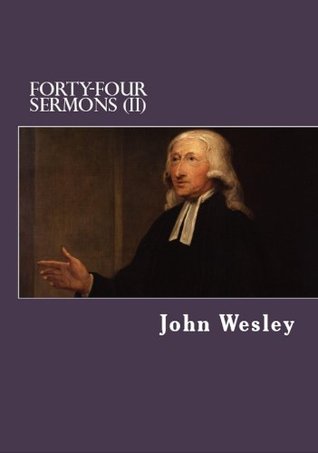
John Wesley's Forty-Four Sermons, Volume II
by John Wesley
John Wesley's Sermons remain timeless classics, showing the theology and faith of the founder of one of the world's largest protestant denominations. Volume II of Forty-Four Sermons is made up of other sermons which were included in some editions of the first volume, and other sermons from Wesley's catalogue. His message remains a challenge to Christians of all beliefs, as well as a milestone in preaching and theology for today.
1. On the death of the Rev. Mr. George Whitefield
2. Of good angels
3. Of evil angels
4. On dress
5. The late work of God in North America
6. On Eternity
7. On the trinity
8. A call to backsliders
9. The cause and cure of earthquakes
10. The great assize
11. National sins and miseries
12. Of hell
13. The danger of riches
14. The Witness of the Spirit - Discourse 2
15. On Sin In believers
16. The repentance of believers
17. The Lord our righteousness
18. The scripture way of salvation
19. The good steward
20. The reformation of manners
21. God's approbation of his works
22. On the fall of man
23. On predestination
24. God's love to fallen man
25. The general deliverance
26. The mystery of iniquity
27. The end of Christ’s coming
28. The general spread of the gospel
29. The new creation
30. The duty of reproving our neighbour
31. The signs of the times
32. On divine providence
33. The wisdom of God’s counsels
34. The imperfection of human knowledge
35. The case of reason impartially considered
36. Of the church
37. On schism
38. On perfection
39. Spiritual Worship
40. Spiritual Idolatry
41. On Dissipation
42. On Friendship with the world
43. In what sense we are to leave the world
44. On temptation
1. On the death of the Rev. Mr. George Whitefield
2. Of good angels
3. Of evil angels
4. On dress
5. The late work of God in North America
6. On Eternity
7. On the trinity
8. A call to backsliders
9. The cause and cure of earthquakes
10. The great assize
11. National sins and miseries
12. Of hell
13. The danger of riches
14. The Witness of the Spirit - Discourse 2
15. On Sin In believers
16. The repentance of believers
17. The Lord our righteousness
18. The scripture way of salvation
19. The good steward
20. The reformation of manners
21. God's approbation of his works
22. On the fall of man
23. On predestination
24. God's love to fallen man
25. The general deliverance
26. The mystery of iniquity
27. The end of Christ’s coming
28. The general spread of the gospel
29. The new creation
30. The duty of reproving our neighbour
31. The signs of the times
32. On divine providence
33. The wisdom of God’s counsels
34. The imperfection of human knowledge
35. The case of reason impartially considered
36. Of the church
37. On schism
38. On perfection
39. Spiritual Worship
40. Spiritual Idolatry
41. On Dissipation
42. On Friendship with the world
43. In what sense we are to leave the world
44. On temptation
BUY NOW
Kindle Edition, 584 pages
Published December 13th 2013 by Hargreaves Publishing
Subscribe
Get Bible verse every day in your inbox
Read on Mobile


Group of Brands


© 2026 Bibleportal.com All rights reserved.
John Wesley (1703 - 1791)
Was an Anglican cleric and Christian theologian. Wesley is largely credited, along with his brother Charles Wesley, as founding the Methodist movement which began when he took to open-air preaching in a similar manner to George Whitefield. In contrast to Whitefield's Calvinism, Wesley embraced the Arminian doctrines that were dominant in the 18th-century Church of England. Methodism in both forms became a highly successful evangelical movement in Britain, which encouraged people to experience Jesus Christ personally.Wesley helped to organise and form societies of Christians throughout Great Britain, North America and Ireland as small groups that developed intensive, personal accountability, discipleship and religious instruction among members. His great contribution was to appoint itinerant, unordained preachers who travelled widely to evangelise and care for people in the societies. Under Wesley's direction, Methodists became leaders in many social issues of the day, including the prison reform and abolitionism movements.
John Wesley was an Anglican cleric and Christian theologian. Wesley is largely credited, along with his brother Charles Wesley, with founding the Methodist movement which began when he took to open-air preaching in a similar manner to George Whitefield. In contrast to George Whitefield's Calvinism (which later led to the forming of the Calvinistic Methodists), Wesley embraced Arminianism. Methodism in both forms was a highly successful evangelical movement in the United Kingdom, which encouraged people to experience Christ personally.
Wesley believed that this doctrine should be constantly preached, especially among the people called Methodists. In fact, he contended that the purpose of the Methodist movement was to "spread scriptural holiness across England."
Throughout his life, Wesley remained within the Church of England and insisted that his movement was well within the bounds of the Anglican tradition. His maverick use of church policy put him at odds with many within the Church of England, though toward the end of his life he was widely respected.
John Wesley was the founder of the Methodist movement which grew from the 'Holy Club' of his Oxford friends into a great religious revival. An indefatigable traveller, preacher and writer, Wesley averaged 8,000 miles a year on horseback and gave 15 sermons a week. The reluctance of the Anglican clergy to lend him their pulpits led him to give some of his sermons in the open air, a decision which enabled him to reach those among the poorer sections of society who were not accustomed to going to church.
... Show more