
- Bible
- Read the Bible
- Bible Versions
- Verse of the Day
- Reading Plans
- Verses by Topic
- Books of the Bible
- Bible Images
- Study
- Commentaries
- Concordances
- Dictionaries
- Encyclopedias
- Sermons
- Bible Atlas & Maps
- BP Wiki
- Devotionals
- Today's Devotionals
- Light of the World
- All Devotionals
- Inspirational Quotes
- More
- Picture Quotes
- Videos
- Inspirational
- Bible Study
- What The Bible Says
- Bible Q&As
- Daily Bread
- Bible by Genre
- Bible Stories
- Random Bible Verse
- Community
- Store
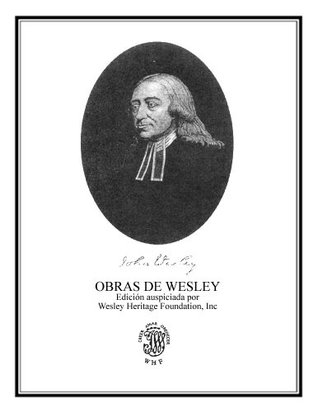
Obras de Wesley, Tomo I-II
by John Wesley
Obras de Wesley, Tomo I-II is a scholarly compilation of John Wesley’s sermons (1-39) in Spanish. First published in 1996 by the Wesley Heritage Foundation, Obras de Wesley is recognized as the leading source of indigenous and authentic Methodist tradition and Wesleyan theology among those who speak Spanish.
Tomo I-II contains the first 39 sermons of John Wesley.
Sermón 1: La salvación por la fe
Sermón 2: El casi cristiano
Sermón 3: Despiértate, tú que duermes
Sermón 4: El cristianismo bíblico
Sermón 5: La justificación por la fe
Sermón 6: La justicia que es por fe
Sermón 7: El camino del reino
Sermón 8: Las primicias del Espíritu
Sermón 9: El espíritu de esclavitud y el espíritu
Sermón 10: El testimonio del Espíritu, I
Sermón 11: El testimonio del Espíritu, II
Sermón 12: El testimonio de nuestro propio
Sermón 13: Del pecado en los creyentes
Sermón 14: El arrepentimiento del creyente
Sermón 15: El gran tribunal
Sermón 16: Los medios de gracia
Sermón 17: La circuncisión del corazón
Sermón 18: Las señales del nuevo nacimiento
Sermón 19: El gran privilegio de los que son nacidos de Dios
Sermón 20: Señor, justicia nuestra
Sermón 21: Sobre el sermón de nuestro Señor en la montaña
Sermón 22: Sobre el sermón de nuestro Señor en la montaña, Segundo discurso
Sermón 23: Sobre el sermón de nuestro Señor en la montaña, Tercer discurso
Sermón 24: Sobre el sermón de nuestro Señor en la montaña, Cuarto discurso
Sermón 25: Sobre el sermón de nuestro Señor en la montaña, Quinto discurso
Sermón 26: Sobre el sermón de nuestro Señor en la montaña, Sexto discurso
Sermón 27: Sobre el sermón de nuestro Señor en la montaña, Séptimo discurso
Sermón 28: Sobre el sermón de nuestro Señor en la montaña, Octavo discurso
Sermón 29: Sobre el sermón de nuestro Señor en la montaña, Noveno discurso
Sermón 30: Sobre el sermón de nuestro Señor en la montaña, Décimo discurso
Sermón 31: Sobre el sermón de nuestro Señor en la montaña, Undécimo discurso
Sermón 32: Sobre el sermón de nuestro Señor en la montaña, Duodécimo discurso
Sermón 33: Sobre el sermón de nuestro Señor en la montaña, Decimotercer discurso
Sermón 34: Origen, naturaleza, atributos y finalidad de la ley
Sermón 35: La ley confirmada mediante la fe, Primer discurso
Sermón 36: La ley confirmada mediante la fe, Segundo discurso
Sermón 37: La naturaleza del entusiasmo
Sermón 38: Una advertencia contra el fanatismo
Sermón 39: El espíritu católico
Tomo I-II contains the first 39 sermons of John Wesley.
Sermón 1: La salvación por la fe
Sermón 2: El casi cristiano
Sermón 3: Despiértate, tú que duermes
Sermón 4: El cristianismo bíblico
Sermón 5: La justificación por la fe
Sermón 6: La justicia que es por fe
Sermón 7: El camino del reino
Sermón 8: Las primicias del Espíritu
Sermón 9: El espíritu de esclavitud y el espíritu
Sermón 10: El testimonio del Espíritu, I
Sermón 11: El testimonio del Espíritu, II
Sermón 12: El testimonio de nuestro propio
Sermón 13: Del pecado en los creyentes
Sermón 14: El arrepentimiento del creyente
Sermón 15: El gran tribunal
Sermón 16: Los medios de gracia
Sermón 17: La circuncisión del corazón
Sermón 18: Las señales del nuevo nacimiento
Sermón 19: El gran privilegio de los que son nacidos de Dios
Sermón 20: Señor, justicia nuestra
Sermón 21: Sobre el sermón de nuestro Señor en la montaña
Sermón 22: Sobre el sermón de nuestro Señor en la montaña, Segundo discurso
Sermón 23: Sobre el sermón de nuestro Señor en la montaña, Tercer discurso
Sermón 24: Sobre el sermón de nuestro Señor en la montaña, Cuarto discurso
Sermón 25: Sobre el sermón de nuestro Señor en la montaña, Quinto discurso
Sermón 26: Sobre el sermón de nuestro Señor en la montaña, Sexto discurso
Sermón 27: Sobre el sermón de nuestro Señor en la montaña, Séptimo discurso
Sermón 28: Sobre el sermón de nuestro Señor en la montaña, Octavo discurso
Sermón 29: Sobre el sermón de nuestro Señor en la montaña, Noveno discurso
Sermón 30: Sobre el sermón de nuestro Señor en la montaña, Décimo discurso
Sermón 31: Sobre el sermón de nuestro Señor en la montaña, Undécimo discurso
Sermón 32: Sobre el sermón de nuestro Señor en la montaña, Duodécimo discurso
Sermón 33: Sobre el sermón de nuestro Señor en la montaña, Decimotercer discurso
Sermón 34: Origen, naturaleza, atributos y finalidad de la ley
Sermón 35: La ley confirmada mediante la fe, Primer discurso
Sermón 36: La ley confirmada mediante la fe, Segundo discurso
Sermón 37: La naturaleza del entusiasmo
Sermón 38: Una advertencia contra el fanatismo
Sermón 39: El espíritu católico
BUY NOW
Kindle Edition, 674 pages
Published September 26th 2012
Subscribe
Get Bible verse every day in your inbox
Read on Mobile


Group of Brands


© 2026 Bibleportal.com All rights reserved.
John Wesley (1703 - 1791)
Was an Anglican cleric and Christian theologian. Wesley is largely credited, along with his brother Charles Wesley, as founding the Methodist movement which began when he took to open-air preaching in a similar manner to George Whitefield. In contrast to Whitefield's Calvinism, Wesley embraced the Arminian doctrines that were dominant in the 18th-century Church of England. Methodism in both forms became a highly successful evangelical movement in Britain, which encouraged people to experience Jesus Christ personally.Wesley helped to organise and form societies of Christians throughout Great Britain, North America and Ireland as small groups that developed intensive, personal accountability, discipleship and religious instruction among members. His great contribution was to appoint itinerant, unordained preachers who travelled widely to evangelise and care for people in the societies. Under Wesley's direction, Methodists became leaders in many social issues of the day, including the prison reform and abolitionism movements.
John Wesley was an Anglican cleric and Christian theologian. Wesley is largely credited, along with his brother Charles Wesley, with founding the Methodist movement which began when he took to open-air preaching in a similar manner to George Whitefield. In contrast to George Whitefield's Calvinism (which later led to the forming of the Calvinistic Methodists), Wesley embraced Arminianism. Methodism in both forms was a highly successful evangelical movement in the United Kingdom, which encouraged people to experience Christ personally.
Wesley believed that this doctrine should be constantly preached, especially among the people called Methodists. In fact, he contended that the purpose of the Methodist movement was to "spread scriptural holiness across England."
Throughout his life, Wesley remained within the Church of England and insisted that his movement was well within the bounds of the Anglican tradition. His maverick use of church policy put him at odds with many within the Church of England, though toward the end of his life he was widely respected.
John Wesley was the founder of the Methodist movement which grew from the 'Holy Club' of his Oxford friends into a great religious revival. An indefatigable traveller, preacher and writer, Wesley averaged 8,000 miles a year on horseback and gave 15 sermons a week. The reluctance of the Anglican clergy to lend him their pulpits led him to give some of his sermons in the open air, a decision which enabled him to reach those among the poorer sections of society who were not accustomed to going to church.
... Show more