
- Bible
- Read the Bible
- Bible Versions
- Verse of the Day
- Reading Plans
- Verses by Topic
- Books of the Bible
- Bible Images
- Study
- Commentaries
- Concordances
- Dictionaries
- Encyclopedias
- Sermons
- Bible Atlas & Maps
- BP Wiki
- Devotionals
- Today's Devotionals
- Light of the World
- All Devotionals
- Inspirational Quotes
- More
- Picture Quotes
- Videos
- Inspirational
- Bible Study
- What The Bible Says
- Bible Q&As
- Daily Bread
- Bible by Genre
- Bible Stories
- Random Bible Verse
- Community
- Store
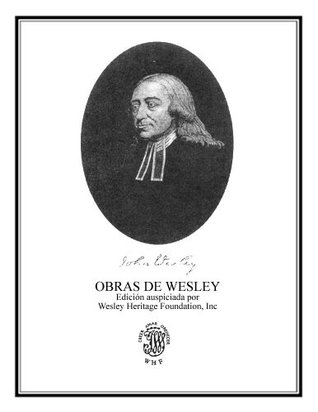
Obras de Wesley, Tomo III-IV
by John Wesley
Obras de Wesley is a scholarly compilation of John Wesley’s sermons in Spanish. First published in 1996 by the Wesley Heritage Foundation, Obras de Wesley is recognized as the leading source of indigenous and authentic Methodist tradition and Wesleyan theology among those who speak Spanish.
Volume III-IV includes:
Sermón 40: La perfección cristiana
Sermón 41: Pensamientos errantes
Sermón 42: Las maquinaciones de Satanás
Sermón 43: El camino de la salvación según las Escrituras
Sermón 44: El pecado original
Sermón 45: El nuevo nacimiento
Sermón 46: La condición de desierto
Sermón 47: Afligidos en diversas pruebas
Sermón 48: Negarse a sí mismo
Sermón 49: No difamen a nadie
Sermón 50: El uso del dinero
Sermón 51: El buen mayordomo
Sermón 52: La reforma de las costumbres
Sermón 53: A la muerte de Jorge Whitefield
Sermón 54: Sobre la eternidad
Sermón 55: Sobre la trinidad
Sermón 56: El beneplácito de Dios por sus obras
Sermón 61: El misterio de la iniquidad
Sermón 62: El por qué de la venida de Cristo
Sermón 63: La expansión del mensaje del evangelio
Sermón 64: La nueva creación
Sermón 65: El deber de reprender a nuestro prójimo
Sermón 66: Los signos de los tiempos
Sermón 69: La imperfección del conocimiento humano1
Sermón 74: La Iglesia
Sermón 81: En qué sentido hemos de dejar el mundo
Sermón 85: Trabajando por nuestra propia salvación
Sermón 87: El peligro de las riquezas
Sermón 89: Un camino más excelente
Sermón 93: Redimiendo el tiempo
Sermón 94: Familia y religión
Sermón 95: La educación de los niños
Sermón 101: El deber de la comunión constante
Sermón 101: El deber de la comunión constante
Sermón 107: La viña del Señor
Sermón 108: Acerca de las riquezas
Sermón 111: Los sufrimientos de un pueblo son fruto de su pecado
Sermón 121: Los profetas y los sacerdotes
Sermón 122: El por qué de la ineficacia del cristianismo
Sermón 126: La necedad del mundo
Sermón 129: Tesoro celestial en vasos de barro
Sermón 130: Vivir sin Dios
Volume III-IV includes:
Sermón 40: La perfección cristiana
Sermón 41: Pensamientos errantes
Sermón 42: Las maquinaciones de Satanás
Sermón 43: El camino de la salvación según las Escrituras
Sermón 44: El pecado original
Sermón 45: El nuevo nacimiento
Sermón 46: La condición de desierto
Sermón 47: Afligidos en diversas pruebas
Sermón 48: Negarse a sí mismo
Sermón 49: No difamen a nadie
Sermón 50: El uso del dinero
Sermón 51: El buen mayordomo
Sermón 52: La reforma de las costumbres
Sermón 53: A la muerte de Jorge Whitefield
Sermón 54: Sobre la eternidad
Sermón 55: Sobre la trinidad
Sermón 56: El beneplácito de Dios por sus obras
Sermón 61: El misterio de la iniquidad
Sermón 62: El por qué de la venida de Cristo
Sermón 63: La expansión del mensaje del evangelio
Sermón 64: La nueva creación
Sermón 65: El deber de reprender a nuestro prójimo
Sermón 66: Los signos de los tiempos
Sermón 69: La imperfección del conocimiento humano1
Sermón 74: La Iglesia
Sermón 81: En qué sentido hemos de dejar el mundo
Sermón 85: Trabajando por nuestra propia salvación
Sermón 87: El peligro de las riquezas
Sermón 89: Un camino más excelente
Sermón 93: Redimiendo el tiempo
Sermón 94: Familia y religión
Sermón 95: La educación de los niños
Sermón 101: El deber de la comunión constante
Sermón 101: El deber de la comunión constante
Sermón 107: La viña del Señor
Sermón 108: Acerca de las riquezas
Sermón 111: Los sufrimientos de un pueblo son fruto de su pecado
Sermón 121: Los profetas y los sacerdotes
Sermón 122: El por qué de la ineficacia del cristianismo
Sermón 126: La necedad del mundo
Sermón 129: Tesoro celestial en vasos de barro
Sermón 130: Vivir sin Dios
BUY NOW
Kindle Edition, 607 pages
Published November 8th 2012
Subscribe
Get Bible verse every day in your inbox
Read on Mobile


Group of Brands


© 2026 Bibleportal.com All rights reserved.
John Wesley (1703 - 1791)
Was an Anglican cleric and Christian theologian. Wesley is largely credited, along with his brother Charles Wesley, as founding the Methodist movement which began when he took to open-air preaching in a similar manner to George Whitefield. In contrast to Whitefield's Calvinism, Wesley embraced the Arminian doctrines that were dominant in the 18th-century Church of England. Methodism in both forms became a highly successful evangelical movement in Britain, which encouraged people to experience Jesus Christ personally.Wesley helped to organise and form societies of Christians throughout Great Britain, North America and Ireland as small groups that developed intensive, personal accountability, discipleship and religious instruction among members. His great contribution was to appoint itinerant, unordained preachers who travelled widely to evangelise and care for people in the societies. Under Wesley's direction, Methodists became leaders in many social issues of the day, including the prison reform and abolitionism movements.
John Wesley was an Anglican cleric and Christian theologian. Wesley is largely credited, along with his brother Charles Wesley, with founding the Methodist movement which began when he took to open-air preaching in a similar manner to George Whitefield. In contrast to George Whitefield's Calvinism (which later led to the forming of the Calvinistic Methodists), Wesley embraced Arminianism. Methodism in both forms was a highly successful evangelical movement in the United Kingdom, which encouraged people to experience Christ personally.
Wesley believed that this doctrine should be constantly preached, especially among the people called Methodists. In fact, he contended that the purpose of the Methodist movement was to "spread scriptural holiness across England."
Throughout his life, Wesley remained within the Church of England and insisted that his movement was well within the bounds of the Anglican tradition. His maverick use of church policy put him at odds with many within the Church of England, though toward the end of his life he was widely respected.
John Wesley was the founder of the Methodist movement which grew from the 'Holy Club' of his Oxford friends into a great religious revival. An indefatigable traveller, preacher and writer, Wesley averaged 8,000 miles a year on horseback and gave 15 sermons a week. The reluctance of the Anglican clergy to lend him their pulpits led him to give some of his sermons in the open air, a decision which enabled him to reach those among the poorer sections of society who were not accustomed to going to church.
... Show more