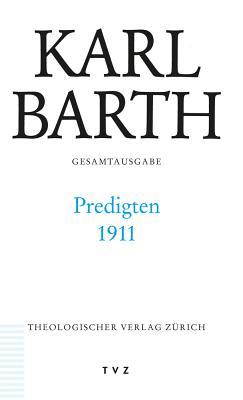
Im Sommer 1911 wechselt Karl Barth von der Genfer Predigtstelle in die aargauische Pfarrgemeinde Safenwil, wo die Art seines Redens schnell eine neue Gestalt bekommt. Schon in seiner Antrittspredigt am neuen Ort hebt er hervor, dass er nicht im eigenen Namen, sondern in Gottes Namen zu reden beauftragt sei. Nachdem er zuletzt auf der ehemaligen Kanzel Calvins die Seligpreisungen ausgelegt hat, setzt er nun seine Kanzelreden fort mit einer Auslegung des Unservaters. Hat er sich in Genf an ein gehobenes Bildungsburgertum gewandt, werden seine Predigten nun volksnaher. Er geht darin immer wieder auch auf politische Vorkommnisse und Alltagsereignisse, auch auf soziale Probleme ein. Und er tut dies in der Grunduberzeugung, dass die alten Bibeltexte aktuell zu den heutigen Menschen, ja, direkt zu den unter der Kanzel versammelten Leuten sprechen.



Karl Barth was a Swiss Reformed theologian whom critics hold to be among the most important Christian thinkers of the 20th century.
Beginning with his experience as a pastor, he rejected his training in the predominant liberal theology typical of 19th-century Protestantism. Instead he embarked on a new theological path initially called dialectical theology, due to its stress on the paradoxical nature of divine truth (e.g., God's relationship to humanity embodies both grace and judgment). Other critics have referred to Barth as the father of neo-orthodoxy -- a term emphatically rejected by Barth himself. The most accurate description of his work might be "a theology of the Word." Barth's theological thought emphasized the sovereignty of God, particularly through his innovative doctrine of election.
Barth tries to recover the Doctrine of the Trinity in theology from its putative loss in liberalism. His argument follows from the idea that God is the object of God's own self-knowledge, and revelation in the Bible means the self-unveiling to humanity of the God who cannot be discovered by humanity simply through its own efforts.
... Show more