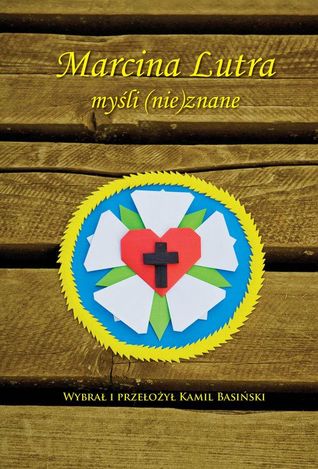
Marcin Luter zmienił nieodwracalnie oblicze Kościoła. Jego 95 tez z 1517 roku wywołało dyskusje o powrocie do źródeł chrześcijaństwa. Sformułowaną przez niego teologię przyjęło jak dotąd dwadzieścia jeden pokoleń ewangelików tradycji augsburskiej. Marcin Luter to nie tylko Reformator, ale przede wszystkim człowiek uważnie obserwujący wielowątkowość życia, kochający mąż i ojciec, wielbiciel psów. W 500-lecie Reformacji odkryjmy tę fascynującą postać poprzez jej myśli używane tak często na co dzień! Kto wie, może zainspirują nas one do dalszej zabawy słowem niezależnie od wyznania, zasobności portfela czy stopnia wykształcenia...



Martin Luther changed the course of Western civilization by initiating the Protestant Reformation. As a priest and theology professor, he confronted indulgence salesmen with his 95 Theses in 1517. Luther strongly disputed their claim that freedom from God's punishment of sin could be purchased with money. His refusal to retract all of his writings at the demand of Pope Leo X in 1520 and the Holy Roman Emperor Charles V at the Diet of Worms meeting in 1521 resulted in his excommunication by the pope and condemnation as an outlaw by the emperor.
Luther taught that salvation is a free gift of God and received only by grace through faith in Jesus as redeemer from sin, not from good works. His theology challenged the authority of the pope of the Roman Catholic Church by teaching that the Bible is the only source of divinely revealed knowledge and opposed sacerdotalism by considering all baptized Christians to be a holy priesthood.
His translation of the Bible into the language of the people (instead of Latin) made it more accessible, causing a tremendous impact on the church and on German culture. It fostered the development of a standard version of the German language, added several principles to the art of translation, and influenced the translation into English of the King James Bible. His hymns inspired the development of singing in churches. His marriage to Katharina von Bora set a model for the practice of clerical marriage, allowing Protestant priests to marry.
... Show more