"Ich vermag nichts ohne Gott, und Gott will nichts ohne mich!" Martin Luther
Martin Luther (1483 bis 1546), der Reformator und Bibelverdeutscher, ein Gründervater der deutschen Sprache auch ein christlicher Mystiker? Wie immer man diese Frage beantworten will, fest steht, dass die von ihm ausgegangene religiöse Erneuerung ohne wirkkräftige Impulse aus der deutschen Mystik und eigenes Erleben nicht zu denken ist. Ihm verdanken wir die Entdeckung der von ihm hoch eingeschätzten Theologia Deutsch. Die durch ihn proklamierte Freiheit des Christenmenschen ist aus inneren Erfahrungen erwachsen, die zugleich am Anfang des Protestantismus stehen. Es fehlen aber auch nicht kritische Töne, da Luther das innere Wort nie unter Preisgabe des an das Wort der Schrift gebundene äußere Wort gelten ließ.
Aus dem umfangreichen Werk des Wittenberger Reformators hat Gerhard Wehr eine repräsentative Auswahl von Texten zusammengestellt und mit Erläuterungen erschlossen.
Dazu gehören meditativ gehaltene Beiträge sowie Schriften zur christlichen Brautmystik, Texte aus Luthers Magnificat-Auslegung, aus seiner Freiheitsschrift und verwandten Abhandlungen.

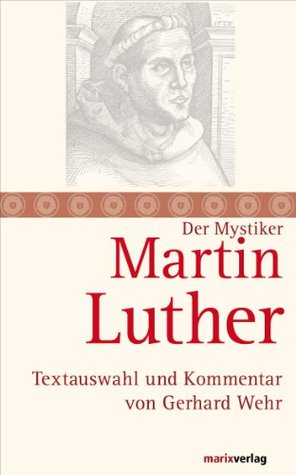


Martin Luther changed the course of Western civilization by initiating the Protestant Reformation. As a priest and theology professor, he confronted indulgence salesmen with his 95 Theses in 1517. Luther strongly disputed their claim that freedom from God's punishment of sin could be purchased with money. His refusal to retract all of his writings at the demand of Pope Leo X in 1520 and the Holy Roman Emperor Charles V at the Diet of Worms meeting in 1521 resulted in his excommunication by the pope and condemnation as an outlaw by the emperor.
Luther taught that salvation is a free gift of God and received only by grace through faith in Jesus as redeemer from sin, not from good works. His theology challenged the authority of the pope of the Roman Catholic Church by teaching that the Bible is the only source of divinely revealed knowledge and opposed sacerdotalism by considering all baptized Christians to be a holy priesthood.
His translation of the Bible into the language of the people (instead of Latin) made it more accessible, causing a tremendous impact on the church and on German culture. It fostered the development of a standard version of the German language, added several principles to the art of translation, and influenced the translation into English of the King James Bible. His hymns inspired the development of singing in churches. His marriage to Katharina von Bora set a model for the practice of clerical marriage, allowing Protestant priests to marry.
... Show more