
- Bible
- Read the Bible
- Bible Versions
- Verse of the Day
- Reading Plans
- Verses by Topic
- Books of the Bible
- Bible Images
- Study
- Commentaries
- Concordances
- Dictionaries
- Encyclopedias
- Sermons
- Bible Atlas & Maps
- BP Wiki
- Devotionals
- Today's Devotionals
- Light of the World
- All Devotionals
- Inspirational Quotes
- More
- Picture Quotes
- Videos
- Inspirational
- Bible Study
- What The Bible Says
- Bible Q&As
- Daily Bread
- Bible by Genre
- Bible Stories
- Random Bible Verse
- Community
- Store
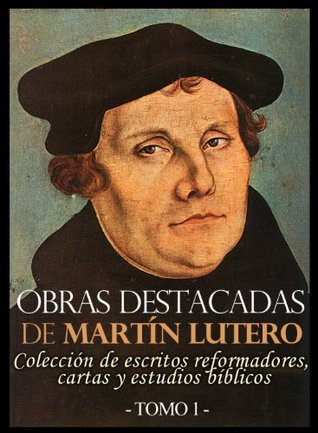
Obras Destacadas de Martín Lutero - Colección de escritos reformadores, cartas y estudios bíblicos (Volumen)
by Martin Luther
Esta es una colección con lo mejor de lus escritos y estudios bíblicos inspirados por Martín Lutero. La misma es una obra interesante y accesible tanto para estudiantes como para cualquier lector interesado en comprender cómo se originó la reforma de la cristiandad.
Esta edición, de 289 páginas, incluye:
Prólogo a la edición de sus Obras completas en latín
Charlas de sobremesa
Las 95 Tesis
Disputación De Heidelberg
Disputación De Leipzig
La Cautividad Babilónica de la Iglesia
La Libertad del Cristiano
El Magnificat
A los magistrados de todas las ciudades alemanas para que construyan y mantengan escuelas cristianas
Derecho de la comunidad a elegir a sus predicadores
Sermón Para Que Se Manden A Los Hijos A La Escuela
Misiva sobre el arte de traducir
Método sencillo de oración para un buen amigo
Los artículos de Schmalkalda
Contra los 32 artículos de los teologastros de Lovaina
Las acciones radicales que Martín Lutero llevó a cabo en la Alemania del siglo XVI impulsaron el dramático proceso de la Reforma Europea. Después de la publicación, en 1517, de las 95 tesis, Lutero comenzó a cuestionar las prácticas de la Iglesia Católica. Y ya en 1521 defendió públicamente sus creencias en la Dieta de Worms, desencadenando la sucesión de hechos que dividieron a la Iglesia de Roma y provocaron el surgimiento de la Iglesia Protestante. A partir de ese momento, dedicó su vida a difundir las ideas de la Reforma.
Esta edición, de 289 páginas, incluye:
Prólogo a la edición de sus Obras completas en latín
Charlas de sobremesa
Las 95 Tesis
Disputación De Heidelberg
Disputación De Leipzig
La Cautividad Babilónica de la Iglesia
La Libertad del Cristiano
El Magnificat
A los magistrados de todas las ciudades alemanas para que construyan y mantengan escuelas cristianas
Derecho de la comunidad a elegir a sus predicadores
Sermón Para Que Se Manden A Los Hijos A La Escuela
Misiva sobre el arte de traducir
Método sencillo de oración para un buen amigo
Los artículos de Schmalkalda
Contra los 32 artículos de los teologastros de Lovaina
Las acciones radicales que Martín Lutero llevó a cabo en la Alemania del siglo XVI impulsaron el dramático proceso de la Reforma Europea. Después de la publicación, en 1517, de las 95 tesis, Lutero comenzó a cuestionar las prácticas de la Iglesia Católica. Y ya en 1521 defendió públicamente sus creencias en la Dieta de Worms, desencadenando la sucesión de hechos que dividieron a la Iglesia de Roma y provocaron el surgimiento de la Iglesia Protestante. A partir de ese momento, dedicó su vida a difundir las ideas de la Reforma.
BUY NOW
Kindle Edition, 445 pages
Published October 24th 2011
Subscribe
Get Bible verse every day in your inbox
Read on Mobile


Group of Brands


© 2026 Bibleportal.com All rights reserved.
Martin Luther changed the course of Western civilization by initiating the Protestant Reformation. As a priest and theology professor, he confronted indulgence salesmen with his 95 Theses in 1517. Luther strongly disputed their claim that freedom from God's punishment of sin could be purchased with money. His refusal to retract all of his writings at the demand of Pope Leo X in 1520 and the Holy Roman Emperor Charles V at the Diet of Worms meeting in 1521 resulted in his excommunication by the pope and condemnation as an outlaw by the emperor.
Luther taught that salvation is a free gift of God and received only by grace through faith in Jesus as redeemer from sin, not from good works. His theology challenged the authority of the pope of the Roman Catholic Church by teaching that the Bible is the only source of divinely revealed knowledge and opposed sacerdotalism by considering all baptized Christians to be a holy priesthood.
His translation of the Bible into the language of the people (instead of Latin) made it more accessible, causing a tremendous impact on the church and on German culture. It fostered the development of a standard version of the German language, added several principles to the art of translation, and influenced the translation into English of the King James Bible. His hymns inspired the development of singing in churches. His marriage to Katharina von Bora set a model for the practice of clerical marriage, allowing Protestant priests to marry.
... Show more