16. yüzyılda sekülerlik ile ruhanilik öylesine iç içe geçmişti ki, Hıristiyan Avrupa’nın kamu düzeni dönüşmeden hiçbir dini reformasyonun meydana gelmesi ya da böyle bir dönüşümün seküler hükümdarların desteği olmadan kurumsallaşması mümkün değildi.
Sözün özü, Hıristiyanların karşı karşıya bulunduğu şey Roma Kilisesi’nin “tiranlığı” idi. Bu tiranlığı alaşağı etmek için her Hıristiyan elinden geleni yapmalıydı; ancak seküler hükümdarlar bu anlamda ötekilerden daha avantajlı konumdaydı.
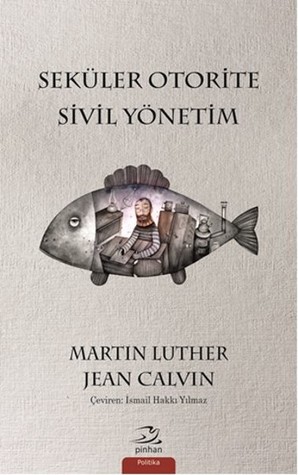
16. yüzyılda Batı Avrupa’nın kültürel ve siyasal anlamda kökten dönüşümüne neden olan Reformasyonun iki öncü ismi Martin Luther ve Jean Calvin’in Seküler Otorite ve Sivil Hükümet üzerine devrimci düşüncelerinin eksiksiz çevirilerini içeren bu eser, düşünürlerin bir yandan Kilise düzenine bir diğer yandan devlete olan bağlılıkları ile her şeyin üstündeki Tanrı Sözü arasında denge kurma denemelerinin bir temsili olarak karşımıza çıkıyor. Herkes tarafından kolaylıkla anlaşılabilmesi için özenli ve yalın bir dil ile kaleme alınmış olan bu kitap, Luther ve Calvin’in çalışmaları, düşünceleri ve eylemlerinin kapsamlı bir sunumunun yanı sıra metnin ve dönemin düşünce anlayışının kavranmasında okuyucuya yardımcı olacak, hem Luther hem de Calvin için özel olarak hazırlanmış iki ayrı sözlük içeriyor.



Martin Luther changed the course of Western civilization by initiating the Protestant Reformation. As a priest and theology professor, he confronted indulgence salesmen with his 95 Theses in 1517. Luther strongly disputed their claim that freedom from God's punishment of sin could be purchased with money. His refusal to retract all of his writings at the demand of Pope Leo X in 1520 and the Holy Roman Emperor Charles V at the Diet of Worms meeting in 1521 resulted in his excommunication by the pope and condemnation as an outlaw by the emperor.
Luther taught that salvation is a free gift of God and received only by grace through faith in Jesus as redeemer from sin, not from good works. His theology challenged the authority of the pope of the Roman Catholic Church by teaching that the Bible is the only source of divinely revealed knowledge and opposed sacerdotalism by considering all baptized Christians to be a holy priesthood.
His translation of the Bible into the language of the people (instead of Latin) made it more accessible, causing a tremendous impact on the church and on German culture. It fostered the development of a standard version of the German language, added several principles to the art of translation, and influenced the translation into English of the King James Bible. His hymns inspired the development of singing in churches. His marriage to Katharina von Bora set a model for the practice of clerical marriage, allowing Protestant priests to marry.
... Show more