
- Bible
- Read the Bible
- Bible Versions
- Verse of the Day
- Reading Plans
- Verses by Topic
- Books of the Bible
- Bible Images
- Study
- Commentaries
- Concordances
- Dictionaries
- Encyclopedias
- Sermons
- Bible Atlas & Maps
- BP Wiki
- Devotionals
- Today's Devotionals
- Light of the World
- All Devotionals
- Inspirational Quotes
- More
- Picture Quotes
- Videos
- Inspirational
- Bible Study
- What The Bible Says
- Bible Q&As
- Daily Bread
- Bible by Genre
- Bible Stories
- Random Bible Verse
- Community
- Store
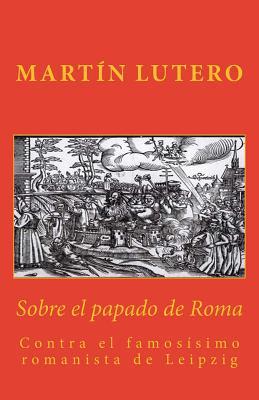
Sobre el papado de Roma: Contra el famosísimo romanista de Leipzig
by Martin Luther
Se trata, en sintesis, de un tratado eclesiologico que el profesor wittenbergues compuso en la primavera de 1520 en respuesta a dos escritos polemicos del fraile franciscano de Leipzig Agustin von Alveld, en los que este defendia el primado romano como una institucion de derecho divino. Esto le dio pie a Lutero para exponer su renovadora idea de Iglesia, mucho mas afin al corpus misticum de Cristo que a la Iglesia ceremonial y jerarquizada de Roma. Lutero lo escribio en lengua alemana con la intencion de instruir al pueblo llano y apartarlo asi de la mala doctrina que propagaban los "romanistas" como Alveld. Sin entrar en complicadas disquisiciones teologicas, Lutero centro sus esfuerzos en refutar los argumentos o "espadas" del fraile de Leipzig, ofreciendo una exposicion sencilla de la Biblia, sobre todo de los pasajes en los que mas habia insistido el carmelita para apoyar al papado, a saber, Mt. 16, 18ss. y Jn. 21, 15. Esta exposicion va salpicada a menudo por el sarcasmo y la causticidad tan propios del autor. En este caso, tal y como el titulo deja entrever, el objetivo principal de sus dardos es la autoridad del papado y su esencia en el seno de la Iglesia. Fr. Martin niega categoricamente que la potestad papal proceda de mandato divino alguno y, en consecuencia, rebaja su condicion a mera institucion humana.
Paperback, 96 pages
Published December 30th 2013 by Createspace Independent Publishing Platform
Subscribe
Get Bible verse every day in your inbox
Read on Mobile


Group of Brands


© 2026 Bibleportal.com All rights reserved.
Martin Luther changed the course of Western civilization by initiating the Protestant Reformation. As a priest and theology professor, he confronted indulgence salesmen with his 95 Theses in 1517. Luther strongly disputed their claim that freedom from God's punishment of sin could be purchased with money. His refusal to retract all of his writings at the demand of Pope Leo X in 1520 and the Holy Roman Emperor Charles V at the Diet of Worms meeting in 1521 resulted in his excommunication by the pope and condemnation as an outlaw by the emperor.
Luther taught that salvation is a free gift of God and received only by grace through faith in Jesus as redeemer from sin, not from good works. His theology challenged the authority of the pope of the Roman Catholic Church by teaching that the Bible is the only source of divinely revealed knowledge and opposed sacerdotalism by considering all baptized Christians to be a holy priesthood.
His translation of the Bible into the language of the people (instead of Latin) made it more accessible, causing a tremendous impact on the church and on German culture. It fostered the development of a standard version of the German language, added several principles to the art of translation, and influenced the translation into English of the King James Bible. His hymns inspired the development of singing in churches. His marriage to Katharina von Bora set a model for the practice of clerical marriage, allowing Protestant priests to marry.
... Show more