
- Bible
- Read the Bible
- Bible Versions
- Verse of the Day
- Reading Plans
- Verses by Topic
- Books of the Bible
- Bible Images
- Study
- Commentaries
- Concordances
- Dictionaries
- Encyclopedias
- Sermons
- Bible Atlas & Maps
- BP Wiki
- Devotionals
- Today's Devotionals
- Light of the World
- All Devotionals
- Inspirational Quotes
- More
- Picture Quotes
- Videos
- Inspirational
- Bible Study
- What The Bible Says
- Bible Q&As
- Daily Bread
- Bible by Genre
- Bible Stories
- Random Bible Verse
- Community
- Store
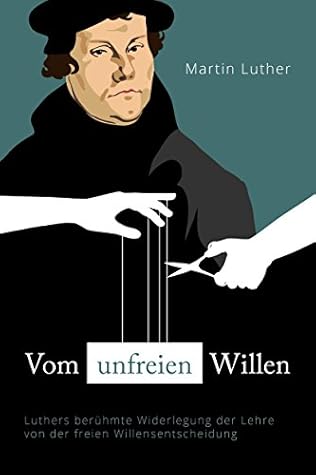
Vom unfreien Willen: Luthers berühmte Widerlegung der Lehre von der freien Willensentscheidung
by Martin Luther
Endlich eine Neuausgabe dieses berühmten Buches Luthers, das er original auf Lateinisch schrieb, jetzt ungekürzt in einer neu bearbeiteten Übersetzung.
Luthers Schrift "Vom unfreien Willen" (lat. "De servo arbitrio", wörtl. "Über den geknechteten Willen") behandelt die zentralen Anliegen der Reformation. Ausgangspunkt ist die alte Frage, ob der Mensch von Natur aus Entscheidungsfreiheit habe, oder ob sein Wille an eine höhere Macht gebunden ist. In seiner Argumentation dringt Luther zu den Kernthemen des Evangeliums vor: Wie kann ein verlorener Sünder gerettet werden? Kann er etwas dazu beitragen? Hat der Mensch innerlich noch einen guten Kern, oder ist er völlig verdorben und unfähig? Richtet Gott sich nach der Entscheidung des Menschen oder ist er völlig souverän? Wo setzt die Gnade und Rettermacht Gottes an? Welche Erlösungstat hat Christus am Kreuz wirklich vollbracht? Und basiert die Errettung und Erkenntnis der Wahrheit allein auf der Heiligen Schrift oder welchen Stellenwert haben Tradition, Vernunft und Philosophie? Mit großer Geisteskraft und biblischer Kompetenz widerlegt Luther hier die katholisch-philosophische Fehleinschätzung des Humanisten Erasmus, dass der Mensch einen freien Willen habe. Dabei entfaltet er die reformatorischen Lehren von der Rechtfertigung aus Glauben und von der Vorherbestimmung Gottes.
Nirgends kommt man Luthers grundlegendem Denken – das er vor allem von Paulus aus dem Römer- und Galaterbrief aufgesogen hat – und den Kerngedanken der Reformation näher als in "Vom unfreien Willen".
Luthers Schrift "Vom unfreien Willen" (lat. "De servo arbitrio", wörtl. "Über den geknechteten Willen") behandelt die zentralen Anliegen der Reformation. Ausgangspunkt ist die alte Frage, ob der Mensch von Natur aus Entscheidungsfreiheit habe, oder ob sein Wille an eine höhere Macht gebunden ist. In seiner Argumentation dringt Luther zu den Kernthemen des Evangeliums vor: Wie kann ein verlorener Sünder gerettet werden? Kann er etwas dazu beitragen? Hat der Mensch innerlich noch einen guten Kern, oder ist er völlig verdorben und unfähig? Richtet Gott sich nach der Entscheidung des Menschen oder ist er völlig souverän? Wo setzt die Gnade und Rettermacht Gottes an? Welche Erlösungstat hat Christus am Kreuz wirklich vollbracht? Und basiert die Errettung und Erkenntnis der Wahrheit allein auf der Heiligen Schrift oder welchen Stellenwert haben Tradition, Vernunft und Philosophie? Mit großer Geisteskraft und biblischer Kompetenz widerlegt Luther hier die katholisch-philosophische Fehleinschätzung des Humanisten Erasmus, dass der Mensch einen freien Willen habe. Dabei entfaltet er die reformatorischen Lehren von der Rechtfertigung aus Glauben und von der Vorherbestimmung Gottes.
Nirgends kommt man Luthers grundlegendem Denken – das er vor allem von Paulus aus dem Römer- und Galaterbrief aufgesogen hat – und den Kerngedanken der Reformation näher als in "Vom unfreien Willen".
BUY NOW
Kindle Edition, 311 pages
Published May 19th 2017 by Betanien Verlag
Subscribe
Get Bible verse every day in your inbox
Read on Mobile


Group of Brands


© 2026 Bibleportal.com All rights reserved.
Martin Luther changed the course of Western civilization by initiating the Protestant Reformation. As a priest and theology professor, he confronted indulgence salesmen with his 95 Theses in 1517. Luther strongly disputed their claim that freedom from God's punishment of sin could be purchased with money. His refusal to retract all of his writings at the demand of Pope Leo X in 1520 and the Holy Roman Emperor Charles V at the Diet of Worms meeting in 1521 resulted in his excommunication by the pope and condemnation as an outlaw by the emperor.
Luther taught that salvation is a free gift of God and received only by grace through faith in Jesus as redeemer from sin, not from good works. His theology challenged the authority of the pope of the Roman Catholic Church by teaching that the Bible is the only source of divinely revealed knowledge and opposed sacerdotalism by considering all baptized Christians to be a holy priesthood.
His translation of the Bible into the language of the people (instead of Latin) made it more accessible, causing a tremendous impact on the church and on German culture. It fostered the development of a standard version of the German language, added several principles to the art of translation, and influenced the translation into English of the King James Bible. His hymns inspired the development of singing in churches. His marriage to Katharina von Bora set a model for the practice of clerical marriage, allowing Protestant priests to marry.
... Show more