Ciò che rende particolarmente pregiato questo discorso di Richard Sibbes, è il fatto che suggerisca dei consigli eccezionalmente utili ai cristiani che attraversano momenti difficili, prove e tentazioni. Sibbes spiega che, poiché il cristianesimo ha Dio dalla sua parte, deve aspettarsi che Satana faccia tutto ciò che è nelle sue possibilità per scoraggiarlo ed abbatterlo. Perciò è compito dei predicatori rialzare il credente afflitto, fortificandolo ricordandogli la promesse di Dio.
Ogni cristiano può cadere, rapidamente e facilmente, di fronte a problemi spirituali di vario tipo. Per questo motivo, gli scritti sperimentali dei predicatori puritani si propongono di dare una mano d'aiuto a quei credenti deboli e travagliati, risollevandoli e riportandoli a godere la gioia della salvezza e della pace con Dio nello Spirito Santo.

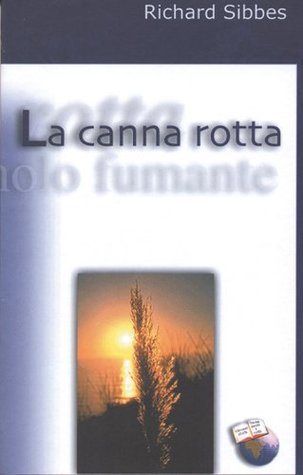


Richard Sibbes was an English theologian. He is known as a Biblical exegete, and as a representative, with William Perkins and John Preston, of what has been called "main-line" Puritanism.
He attended St John's College, Cambridge from 1595. He was lecturer at Holy Trinity Church, Cambridge, from 1610 or 1611 to 1615 or 1616. It is erroneously held by 18th and 19th century scholars that Sibbes was deprived of his various academic posts on account of his Puritanism. In fact he was never deprived of any of his posts, due to his ingenuity of the system.
He was then preacher at Gray's Inn, London, from 1617, returning to Cambridge as Master of Catherine Hall in 1626, without giving up the London position.
He was the author of several devotional works expressing intense religious feeling -- The Saint's Cordial (1629), The Bruised Reed and Smoking Flax (1631, exegesis of Isaiah 42:3), The Soules Conflict (1635), etc.
... Show more