
- Bible
- Read the Bible
- Bible Versions
- Verse of the Day
- Reading Plans
- Verses by Topic
- Books of the Bible
- Bible Images
- Study
- Commentaries
- Concordances
- Dictionaries
- Encyclopedias
- Sermons
- Bible Atlas & Maps
- BP Wiki
- Devotionals
- Today's Devotionals
- Light of the World
- All Devotionals
- Inspirational Quotes
- More
- Picture Quotes
- Videos
- Inspirational
- Bible Study
- What The Bible Says
- Bible Q&As
- Daily Bread
- Bible by Genre
- Bible Stories
- Random Bible Verse
- Community
- Store
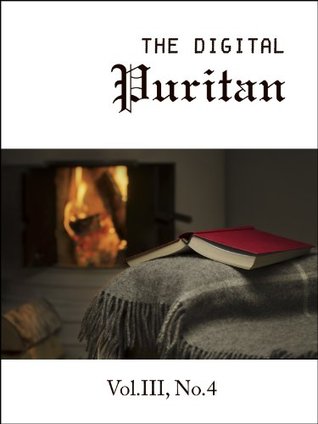
The Digital Puritan - Vol.III, No.4
by Richard Sibbes
"The Digital Puritan" is a quarterly digest of carefully selected Puritan works which have been gently modernised to render the text more readable, while still retaining much of the flavour and character of the original text. Helpful notes and Scripture references (in the English Standard Version) are included as end-notes; no internet connection is needed.
Settle down by the fireplace to enjoy the following articles in this winter 2013-2014 edition:
1. The Saint’s Hiding Place in the Evil Day - In which Richard Sibbes explains that though trouble is promised to come into the believer's life, yet he has a quiet hiding place to retreat into until the storm passes.
2. On Christian Cheerfulness and Society - Thomas Watson teaches why Christians have no reason to be of a bitter or dour disposition.
3. Look Out of Your Graves Upon the World - Joseph Alleine. A letter written by Alleine from prison, to his friends in Taunton.
4. The Glorious Enjoyment of Heavenly Things by Faith - Jeremiah Burroughs' sunny exposition on Hebrews 11:1, "Now faith is the substance of things hoped for, the evidence of things not seen."
5. Chastisements For Sin - Samuel Bolton. An extract from his larger work "The True Bounds of Christian Freedom", which seeks to answer the question, 'Are Christians punished for their sins, or does the grace of Christ obviate this?'
The Puritans in Verse: Christ’s Sermon on the Mount in Verse by John Bunyan.
Settle down by the fireplace to enjoy the following articles in this winter 2013-2014 edition:
1. The Saint’s Hiding Place in the Evil Day - In which Richard Sibbes explains that though trouble is promised to come into the believer's life, yet he has a quiet hiding place to retreat into until the storm passes.
2. On Christian Cheerfulness and Society - Thomas Watson teaches why Christians have no reason to be of a bitter or dour disposition.
3. Look Out of Your Graves Upon the World - Joseph Alleine. A letter written by Alleine from prison, to his friends in Taunton.
4. The Glorious Enjoyment of Heavenly Things by Faith - Jeremiah Burroughs' sunny exposition on Hebrews 11:1, "Now faith is the substance of things hoped for, the evidence of things not seen."
5. Chastisements For Sin - Samuel Bolton. An extract from his larger work "The True Bounds of Christian Freedom", which seeks to answer the question, 'Are Christians punished for their sins, or does the grace of Christ obviate this?'
The Puritans in Verse: Christ’s Sermon on the Mount in Verse by John Bunyan.
BUY NOW
Kindle Edition, 170 pages
Published January 4th 2014 by Digital Puritan Press
Subscribe
Get Bible verse every day in your inbox
Read on Mobile


Group of Brands


© 2026 Bibleportal.com All rights reserved.
Richard Sibbes was an English theologian. He is known as a Biblical exegete, and as a representative, with William Perkins and John Preston, of what has been called "main-line" Puritanism.
He attended St John's College, Cambridge from 1595. He was lecturer at Holy Trinity Church, Cambridge, from 1610 or 1611 to 1615 or 1616. It is erroneously held by 18th and 19th century scholars that Sibbes was deprived of his various academic posts on account of his Puritanism. In fact he was never deprived of any of his posts, due to his ingenuity of the system.
He was then preacher at Gray's Inn, London, from 1617, returning to Cambridge as Master of Catherine Hall in 1626, without giving up the London position.
He was the author of several devotional works expressing intense religious feeling -- The Saint's Cordial (1629), The Bruised Reed and Smoking Flax (1631, exegesis of Isaiah 42:3), The Soules Conflict (1635), etc.
... Show more