
- Bible
- Read the Bible
- Bible Versions
- Verse of the Day
- Reading Plans
- Verses by Topic
- Books of the Bible
- Bible Images
- Study
- Commentaries
- Concordances
- Dictionaries
- Encyclopedias
- Sermons
- Bible Atlas & Maps
- BP Wiki
- Devotionals
- Today's Devotionals
- Light of the World
- All Devotionals
- Inspirational Quotes
- More
- Picture Quotes
- Videos
- Inspirational
- Bible Study
- What The Bible Says
- Bible Q&As
- Daily Bread
- Bible by Genre
- Bible Stories
- Random Bible Verse
- Community
- Store
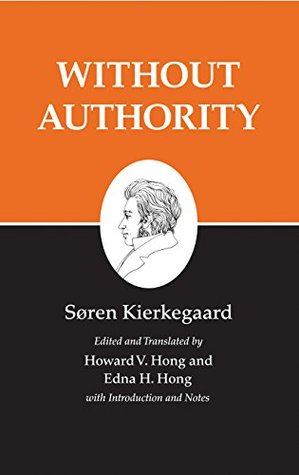
Kierkegaard's Writings, XVIII, Volume 18: Without Authority
"Without authority," a phrase Kierkegaard repeatedly applied to himself and his writings, is an appropriate title for this volume of five short works that in various ways deal with the concept and practice of authority. The Lily in the Field and the Bird of the Air contemplates the teaching authority of these creatures based on three different passages in the Gospels. The first of Two Ethical-Religious Essays mediates on the ethics of Jesus' martyrdom; the second contrasts the authority of the genius with that of the apostle. The remaining works--Three Discourses at the Communion on Fridays (1849), An Upbuilding Discourse (1850), and Two Discourses at the Communion on Fridays (1851)--are meditations on sin, forgiveness, and the power of love.
"Without authority," a phrase Kierkegaard repeatedly applied to himself and his writings, is an appropriate title for this volume of five short works that in various ways deal with the concept and practice of authority. The Lily in the Field and the Bird of the AirThe Lily in the Field and the Bird of the Air contemplates the teaching authority of these creatures based on three different passages in the Gospels. The first of Two Ethical-Religious EssaysTwo Ethical-Religious Essays mediates on the ethics of Jesus' martyrdom; the second contrasts the authority of the genius with that of the apostle. The remaining works--Three Discourses at the Communion on FridaysThree Discourses at the Communion on Fridays (1849), An Upbuilding DiscourseAn Upbuilding Discourse (1850), and Two Discourses at the Communion on FridaysTwo Discourses at the Communion on Fridays (1851)--are meditations on sin, forgiveness, and the power of love.BUY NOW
Published October 5th 2009 by Princeton University Press
Get Bible verse every day in your inbox
Read on Mobile


Group of Brands


Kierkegaard left the task of discovering the meaning of his works to the reader, because "the task must be made difficult, for only the difficult inspires the noble-hearted". Scholars have interpreted Kierkegaard variously as an existentialist, neo-orthodoxist, postmodernist, humanist, and individualist.
Crossing the boundaries of philosophy, theology, psychology, and literature, he is an influential figure in contemporary thought.... Show more