
- Bible
- Read the Bible
- Bible Versions
- Verse of the Day
- Reading Plans
- Verses by Topic
- Books of the Bible
- Bible Images
- Study
- Commentaries
- Concordances
- Dictionaries
- Encyclopedias
- Sermons
- Bible Atlas & Maps
- BP Wiki
- Devotionals
- Today's Devotionals
- Light of the World
- All Devotionals
- Inspirational Quotes
- More
- Picture Quotes
- Videos
- Inspirational
- Bible Study
- What The Bible Says
- Bible Q&As
- Daily Bread
- Bible by Genre
- Bible Stories
- Random Bible Verse
- Community
- Store
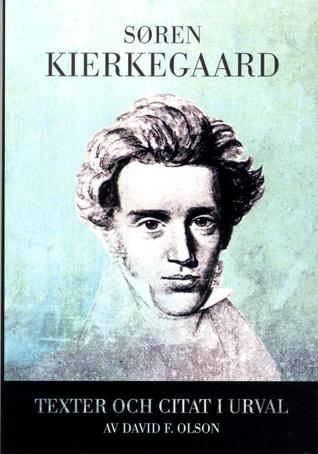
Søren Kierkegaard - Texter och citat i urval
by Soren Kierkegaard
Søren Kierkegaard is a name known to most. He is frequently quoted in many different contexts, yet despite this, not many people have read his works. This is partly due to the fact, that a lot of his texts are not available in Swedish. It's also due to the fact that he was so terribly productive, it's a bit tricky figuring out where to begin.
This book contains a large part of his more important texts and thoughts, which I hope will give the reader an appetite for more. It's difficult to imagine existentialism as a whole without Kierkegaard as he turned the whole philosophical world upside down. He put the human being - the individual - in the center instead of in the "castle of knowledge" as he put it, where no one actually lived. He wrote, for example, that philosophy has always dealed with death, but that the starting point for him was the realisation that "I, too, shall die." This is a completely new angle that is subjective, devout and individually focused. This is also why, so very often you identify with yourself and your very innermost thoughts when you read Kierkegaard
The Christian faith was of great importance to Kierkegaard, though not as the inherited state church and its teachings. His criticism of the Danish church was massive and incredibly extensive.
---
Søren Kierkegaard är ett namn som de flesta känner till. Han citeras i många olika sammanhang. Men det är inte många som faktiskt har läst något av honom. Det beror delvis på att mycket av det han skrev inte finns på svenska. Det beror också på att han var så fruktansvärt produktiv att man inte vet var man ska börja. I den här boken finns smakprov på en del av hans viktigaste skrifter och tankar. Min förhoppning är att de ger mersmak. Det är svårt att tänka sig den existentiella rörelsen utan Kierkegaard. Han vände upp och ner på det filosofiska tänkandet. Han satte människan, individen, i centrum istället för det han kallade för kunskapsslott där ingen faktiskt bodde. Han skrev, till exempel, att filosofin alltid har behandlat döden, men att utgångspunkten för honom var insikten om att »jag skall också dö«. Detta är en helt annan infallsvinkel som är subjektiv, innerlig och individcentrerad. Det är därför man så ofta känner igen sig själv och sina innersta upplevelser när man läser Kierkegaard. Kristen tro var mycket viktig för Kierkegaard, inte som den nedärvda kyrkan och dess läror hans kyrkokritik var massiv utan som en djup och omfattande upplevelse.
This book contains a large part of his more important texts and thoughts, which I hope will give the reader an appetite for more. It's difficult to imagine existentialism as a whole without Kierkegaard as he turned the whole philosophical world upside down. He put the human being - the individual - in the center instead of in the "castle of knowledge" as he put it, where no one actually lived. He wrote, for example, that philosophy has always dealed with death, but that the starting point for him was the realisation that "I, too, shall die." This is a completely new angle that is subjective, devout and individually focused. This is also why, so very often you identify with yourself and your very innermost thoughts when you read Kierkegaard
The Christian faith was of great importance to Kierkegaard, though not as the inherited state church and its teachings. His criticism of the Danish church was massive and incredibly extensive.
---
Søren Kierkegaard är ett namn som de flesta känner till. Han citeras i många olika sammanhang. Men det är inte många som faktiskt har läst något av honom. Det beror delvis på att mycket av det han skrev inte finns på svenska. Det beror också på att han var så fruktansvärt produktiv att man inte vet var man ska börja. I den här boken finns smakprov på en del av hans viktigaste skrifter och tankar. Min förhoppning är att de ger mersmak. Det är svårt att tänka sig den existentiella rörelsen utan Kierkegaard. Han vände upp och ner på det filosofiska tänkandet. Han satte människan, individen, i centrum istället för det han kallade för kunskapsslott där ingen faktiskt bodde. Han skrev, till exempel, att filosofin alltid har behandlat döden, men att utgångspunkten för honom var insikten om att »jag skall också dö«. Detta är en helt annan infallsvinkel som är subjektiv, innerlig och individcentrerad. Det är därför man så ofta känner igen sig själv och sina innersta upplevelser när man läser Kierkegaard. Kristen tro var mycket viktig för Kierkegaard, inte som den nedärvda kyrkan och dess läror hans kyrkokritik var massiv utan som en djup och omfattande upplevelse.
BUY NOW
Paperback, 1st, 180 pages
Published June 12th 2013 by Artos & Norma Bokförlag
Subscribe
Get Bible verse every day in your inbox
Read on Mobile


Group of Brands


© 2026 Bibleportal.com All rights reserved.
Kierkegaard left the task of discovering the meaning of his works to the reader, because "the task must be made difficult, for only the difficult inspires the noble-hearted". Scholars have interpreted Kierkegaard variously as an existentialist, neo-orthodoxist, postmodernist, humanist, and individualist.
Crossing the boundaries of philosophy, theology, psychology, and literature, he is an influential figure in contemporary thought.... Show more