
- Bible
- Read the Bible
- Bible Versions
- Verse of the Day
- Reading Plans
- Verses by Topic
- Books of the Bible
- Bible Images
- Study
- Commentaries
- Concordances
- Dictionaries
- Encyclopedias
- Sermons
- Bible Atlas & Maps
- BP Wiki
- Devotionals
- Today's Devotionals
- Light of the World
- All Devotionals
- Inspirational Quotes
- More
- Picture Quotes
- Videos
- Inspirational
- Bible Study
- What The Bible Says
- Bible Q&As
- Daily Bread
- Bible by Genre
- Bible Stories
- Random Bible Verse
- Community
- Store
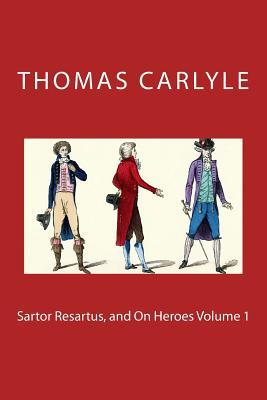
Sartor Resartus, and on Heroes Volume 1
by Thomas Carlyle
Sartor Resartus, and On Heroes Volume 1 By Thomas Carlyle One of the most vital and pregnant books in our modern literature, Sartor Resartus is also, in structure and form, one of the most daringly original. It defies exact classification. It is not a philosophic treatise. It is not an autobiography. It is not a romance. Yet in a sense it is all these combined. Its underlying purpose is to expound in broad outline certain ideas which lay at the root of Carlyle's whole reading of life. We are delighted to publish this classic book as part of our extensive Classic Library collection. Many of the books in our collection have been out of print for decades, and therefore have not been accessible to the general public. The aim of our publishing program is to facilitate rapid access to this vast reservoir of literature, and our view is that this is a significant literary work, which deserves to be brought back into print after many decades. The contents of the vast majority of titles in the Classic Library have been scanned from the original works. To ensure a high quality product, each title has been meticulously hand curated by our staff. Our philosophy has been guided by a desire to provide the reader with a book that is as close as possible to ownership of the original work. We hope that you will enjoy this wonderful classic work, and that for you it becomes an enriching experience.
BUY NOW
Paperback, 478 pages
Published August 6th 2018 by Createspace Independent Publishing Platform
Subscribe
Get Bible verse every day in your inbox
Read on Mobile


Group of Brands


© 2026 Bibleportal.com All rights reserved.
Thomas Carlyle was a Scottish satirical writer, essayist, historian and teacher during the Victorian era. He called economics "the dismal science", wrote articles for the Edinburgh Encyclopedia, and became a controversial social commentator.
Coming from a strict Calvinist family, Carlyle was expected by his parents to become a preacher, but while at the University of Edinburgh, he lost his Christian faith. Calvinist values, however, remained with him throughout his life. This combination of a religious temperament with loss of faith in traditional Christianity made Carlyle's work appealing to many Victorians who were grappling with scientific and political changes that threatened the traditional social order.
... Show more