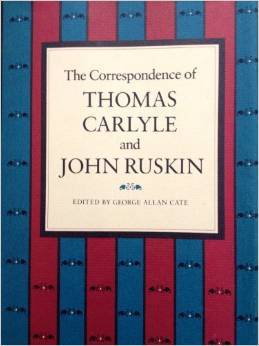
Carlyle's intellectual influence on Ruskin and the affectionate relationship that grew up between the two men are well known. Never before, however, has this extraordinary and important relationship been charted with such care and authority, and never before has the entire exhange of their correspondence been published. This edition contains 199 letters, 114 of them published for thei first time. The actual Carlyle-Ruskin correspondence consists of 154 letters, and the remaining 45 letters are ancillary letters to and from Carlyle and Ruskin and members of their families. The letters span a period of almost 30 years, unfolding the whole sequence of relationship from the growing closeness of sharpl contrasting temperaments, through brief estrangement and reconciliation, to the pathos of Carlyle's old age and Ruskin's growing insanity. The long Introduction, whihc makes much use of previously unpublished material, explores in full detail the personal relationship between these two fascinating giants of the Victorian age. It incorporates comments made by both men about each other when writing to other correspondents; it explores Ruskin's role in the infamous "Froude-Carlyle Controversey," which erupted after Carlyle's death; and it makes the clearest and most detailed assessment of Ruskin's discipleship to Carlyle that has yet been published.



Thomas Carlyle was a Scottish satirical writer, essayist, historian and teacher during the Victorian era. He called economics "the dismal science", wrote articles for the Edinburgh Encyclopedia, and became a controversial social commentator.
Coming from a strict Calvinist family, Carlyle was expected by his parents to become a preacher, but while at the University of Edinburgh, he lost his Christian faith. Calvinist values, however, remained with him throughout his life. This combination of a religious temperament with loss of faith in traditional Christianity made Carlyle's work appealing to many Victorians who were grappling with scientific and political changes that threatened the traditional social order.
... Show more